札幌の英会話学校 AGREATDREAM 011-768-8116

Blog

  • JLPT N1 Grammar Masterclass: 10 Questions Explained

    Practise advanced Japanese grammar by choosing an answer first. The correct answer and detailed explanation stay hidden until you submit your choice. Each question explains why the correct option fits and why the other options do not.

    How to study: choose one option, press “Check answer”, then read the grammar explanation and examples. You can retry each question.

    Questions answered: 0 / 10
    Correct on first submitted answer: 0
    1

    Choose the phrase that completes the sentence.

    箱の中身は、______にしよう。
    Hako no nakami wa, __________ ni shiyou.
    ハコノ ナカミワ、______ ニ シヨウ。
    Let’s pretend we didn’t see what’s inside the box.
    2

    Choose the phrase that completes the sentence.

    京都______体験をしてみたいです。
    Kyouto __________ taiken o shite mitai desu.
    キョウト ______ タイケンオ シテミタイデス。
    I’d like to try an experience unique to Kyoto.
    3

    Choose the phrase that completes the sentence.

    それは______説得力のある考えだったが、なぜか私は納得しなかった。
    Sore wa __________ settokuryoku no aru kangae datta ga, naze ka watashi wa nattoku shinakatta.
    ソレワ ______ セットクリョクノ アル カンガエダッタガ、ナゼカ ワタシワ ナットクシナカッタ。
    It was quite a persuasive idea, but for some reason I wasn’t convinced.
    4

    Choose the phrase that completes the sentence.

    その看板が小さすぎて、よく見なかったら______。
    Sono kanban ga chiisasugite, yoku minakattara __________.
    ソノ カンバンガ チイサスギテ、ヨク ミナカッタラ ______。
    The sign was so small that I would have missed it if I hadn’t looked carefully.
    5

    Choose the phrase that completes the sentence.

    大会の中止という最悪の事態が現実に______。
    Taikai no chuushi to iu saiaku no jitai ga genjitsu ni __________.
    タイカイノ チュウシトイウ サイアクノ ジタイガ ゲンジツニ ______。
    The worst-case scenario of the event being cancelled could become a reality.
    6

    Choose the phrase that completes the sentence.

    日本語が話せなくて、道を______聞けない。
    Nihongo ga hanasenakute, michi o __________ kikenai.
    ニホンゴガ ハナセナクテ、ミチオ ______ キケナイ。
    I can’t ask for directions because I can’t speak Japanese.
    7

    Choose the phrase that completes the sentence.

    人生には、とにかく______わからないことが多すぎる。
    Jinsei ni wa, tonikaku __________ wakaranai koto ga oosugiru.
    ジンセイニワ、トニカク ______ ワカラナイ コトガ オオスギル。
    In life, there are far too many things you can’t understand until you try them.
    8

    Choose the phrase that completes the sentence.

    メキシコは、北米自由貿易協定(NAFTA)が______、輸出を行うことができる。
    Mekishiko wa, Hokubei Jiyuu Boueki Kyoutei (NAFTA) ga __________, yushutsu o okonau koto ga dekiru.
    メキシコワ、ホクベイ ジユウ ボウエキ キョウテイ(ナフタ)ガ ______、ユシュツオ オコナウ コトガ デキル。
    The sentence presents exports as possible whether or not the trade agreement exists.
    9

    Choose the phrase that completes the sentence.

    皆さんが喜んでくれるので、本当に______限りです。
    Minasan ga yorokonde kureru node, hontou ni __________ kagiri desu.
    ミナサンガ ヨロコンデクレルノデ、ホントウニ ______ カギリデス。
    I’m truly delighted that everyone is happy.
    10

    Choose the phrase that completes the sentence.

    個人情報が外部に______として、企業は対策を進めている。
    Kojin jouhou ga gaibu ni __________ to shite, kigyou wa taisaku o susumete iru.
    コジンジョウホウガ ガイブニ ______ トシテ、キギョウワ タイサクオ ススメテイル。
    Companies are taking measures because there is a risk that personal information could leak outside the organisation.

    Grammar Patterns to Remember

    Quick comparison guide

    ~なかったことにする: Pretend a past event did not happen.

    ~ならではの: Unique to or distinctive of a particular person, place or thing.

    なかなか: Quite/surprisingly with a positive statement; not easily with a negative statement.

    ~ところだった: Almost did something, but the outcome was avoided.

    ~かねない: Could lead to an undesirable outcome.

    ~ようにも~ない: Want or try to do something, but cannot.

    ~てみなければわからない: Cannot know unless you try.

    ~ようと~まいと: Whether something happens or not; regardless of either possibility.

    ~限りだ: Extremely or deeply, often describing a feeling.

    ~おそれがある: There is a risk that something undesirable may happen.

    Vocabulary Review

    JapaneseRomajiEnglish
    箱の中身hako no nakamiContents of a box
    体験taikenExperience
    説得力settokuryokuPersuasiveness
    納得するnattoku suruTo be convinced; to accept an explanation
    看板kanbanSign; signboard
    見逃すminogasuTo miss; to overlook
    現実genjitsuReality
    事態jitaiSituation; state of affairs
    北米hokubeiNorth America
    自由貿易協定jiyuu boueki kyouteiFree trade agreement
    活力katsuryokuVitality; energy
    効率kouritsuEfficiency
    輸出yushutsuExport
    注文chuumonOrder
    一口hitokuchiOne bite; one mouthful
    口を揃えるkuchi o soroeruTo speak in unison
    個人情報kojin jouhouPersonal information
    安全保障anzen hoshouSecurity; national security
    懸念kenenConcern; apprehension
    禁止kinshiProhibition; ban
    措置sochiMeasure; action
    打ち出すuchidasuTo announce or put forward a policy or measure
    流出ryuushutsuLeakage; outflow
    対策taisakuCountermeasure; preventive measure
    氾濫hanranOverflow; flooding
    誤解gokaiMisunderstanding
    挑戦chousenChallenge; attempt

    Study Strategy

    For every pattern, practise three skills: recognise it in a sentence, explain why similar options are incorrect, then write your own sentence using it naturally. At JLPT N1 level, the key is understanding how grammar works with the meaning and tone of the whole sentence, not simply memorising a translation.

    This practice page is an original learning resource with new example sentences. Always read the full context before choosing an answer in an exam.

    1. ~たことにする / ~なかったことにする

    Meaning: To pretend something happened or did not happen; to decide to treat a situation as if it were different from reality.

    How to form it

    • Verb past form + ことにする: decide to treat something as having happened.
    • Verb negative past form + ことにする: pretend something did not happen.
    • ~なかったことにしてください: please pretend it did not happen.

    Examples of the pattern:

    見たことにする
    Mita koto ni suru
    ミタ コトニ スル
    To pretend that you saw it.

    見なかったことにする
    Minakatta koto ni suru
    ミナカッタ コトニ スル
    To pretend that you did not see it.

    Easy way to remember it

    Think of ことにする as putting an event into a particular category or treating it as a particular situation. You are choosing how to handle the event, rather than necessarily changing what actually happened.

    The negative past form なかった is especially important when someone wants to ignore an embarrassing mistake, an unpleasant comment or a problem.

    What is right and wrong?

    • 見なかったことにする: Correct when you want to pretend you did not see something.
    • 見ないことにする: Usually means deciding not to look at something. It describes a decision about what to do, not pretending a past event never happened.
    • 見なかったもの: Means something that was not seen. It does not naturally express the conventional idea of deliberately ignoring an event.
    • 聞かなかったことにする: Correct when you want to pretend you did not hear something.

    The key difference is a decision about an action versus pretending a past event did not happen.

    10 example sentences

    1.

    箱の中身は、見なかったことにしよう。

    Hako no nakami wa, minakatta koto ni shiyou.

    ハコノ ナカミワ、ミナカッタ コトニ シヨウ。

    Let’s pretend we didn’t see what’s inside the box.

    2.

    今の発言は聞かなかったことにしてください。

    Ima no hatsugen wa kikanakatta koto ni shite kudasai.

    イマノ ハツゲンワ、キカナカッタ コトニ シテ クダサイ。

    Please pretend you didn’t hear that comment.

    3.

    彼は自分の失敗をなかったことにしようとした。

    Kare wa jibun no shippai o nakatta koto ni shiyou to shita.

    カレワ ジブンノ シッパイオ ナカッタ コトニ シヨウト シタ。

    He tried to pretend his mistake had never happened.

    4.

    昨日のけんかは、お互いになかったことにした。

    Kinou no kenka wa, otagai ni nakatta koto ni shita.

    キノウノ ケンカワ、オタガイニ ナカッタ コトニ シタ。

    We agreed to pretend yesterday’s argument had never happened.

    5.

    その秘密は誰にも話さず、知らなかったことにした。

    Sono himitsu wa dare ni mo hanasazu, shiranakatta koto ni shita.

    ソノ ヒミツワ ダレニモ ハナサズ、シラナカッタ コトニ シタ。

    I didn’t tell anyone the secret and pretended I hadn’t known about it.

    6.

    小さな間違いなら、今回は見なかったことにします。

    Chiisana machigai nara, konkai wa minakatta koto ni shimasu.

    チイサナ マチガイナラ、コンカイワ ミナカッタ コトニ シマス。

    If it’s a small mistake, I’ll overlook it this time.

    7.

    彼女は失礼な言葉を聞かなかったことにして、話を続けた。

    Kanojo wa shitsurei na kotoba o kikanakatta koto ni shite, hanashi o tsuzuketa.

    カノジョワ シツレイナ コトバオ キカナカッタ コトニ シテ、ハナシオ ツヅケタ。

    She pretended not to hear the rude remark and continued talking.

    8.

    過去を完全になかったことにはできない。

    Kako o kanzen ni nakatta koto ni wa dekinai.

    カコオ カンゼンニ ナカッタ コトニワ デキナイ。

    You cannot completely pretend the past never happened.

    9.

    その問題をなかったことにするのは無責任だ。

    Sono mondai o nakatta koto ni suru no wa musekinin da.

    ソノ モンダイオ ナカッタ コトニ スルノワ ムセキニン ダ。

    Pretending that problem never existed is irresponsible.

    10.

    二人は気まずい出来事をなかったことにして、以前のように接した。

    Futari wa kimazui dekigoto o nakatta koto ni shite, izen no you ni sesshita.

    フタリワ キマズイ デキゴトオ ナカッタ コトニ シテ、イゼンノ ヨウニ セッシタ。

    The two pretended the awkward incident had never happened and treated each other as before.

    Memory tip: If the idea is “Let’s act as if it never happened,” remember なかったことにする.

    2. Noun + ならではの + noun

    Meaning: Unique to, distinctive of or especially characteristic of a particular person, place, group or thing.

    How to form it

    Noun + ならではの + noun

    京都ならではの体験
    Kyouto nara dewa no taiken
    キョウト ナラデワノ タイケン
    An experience unique to Kyoto.

    北海道ならではの景色
    Hokkaidou nara dewa no keshiki
    ホッカイドウ ナラデワノ ケシキ
    Scenery unique to Hokkaido.

    Easy way to remember it

    Think: “Only this place, person or thing can offer this particular quality.”

    It often appears with culture, food, traditions, experiences, skills and local characteristics.

    What is right and wrong?

    • 北海道ならではの料理: Correct. It means food distinctive of Hokkaido.
    • 北海道ならではの景色: Correct. It describes scenery associated especially with Hokkaido.
    • 北海道なりの方法: This is a different expression. なりの can mean a way appropriate to someone or something, not necessarily something unique to it.
    • 北海道なくして: なくして often appears in patterns meaning “without” or “if it were not for.” It does not mean “unique to Hokkaido.”
    • 北海道ながらに: This does not naturally express the intended meaning of a distinctive local experience.

    Important distinction: ならではの emphasizes a special, distinctive quality. It does not always mean that the thing exists nowhere else in the world.

    10 example sentences

    1.

    京都ならではの体験をしてみたいです。

    Kyouto nara dewa no taiken o shite mitai desu.

    キョウト ナラデワノ タイケンオ シテミタイデス。

    I’d like to try an experience unique to Kyoto.

    2.

    北海道ならではの広大な景色に感動した。

    Hokkaidou nara dewa no koudai na keshiki ni kandou shita.

    ホッカイドウ ナラデワノ コウダイナ ケシキニ カンドウ シタ。

    I was moved by the vast scenery distinctive of Hokkaido.

    3.

    この店ならではの味を大切にしています。

    Kono mise nara dewa no aji o taisetsu ni shite imasu.

    コノ ミセ ナラデワノ アジオ タイセツニ シテイマス。

    We value the flavour unique to this restaurant.

    4.

    職人ならではの細かな技術が作品に表れている。

    Shokunin nara dewa no komaka na gijutsu ga sakuhin ni arawarete iru.

    ショクニン ナラデワノ コマカナ ギジュツガ サクヒンニ アラワレテイル。

    The work displays the detailed skills distinctive of a craftsperson.

    5.

    地元の人ならではの情報を教えてもらった。

    Jimoto no hito nara dewa no jouhou o oshiete moratta.

    ジモトノ ヒト ナラデワノ ジョウホウオ オシエテモラッタ。

    I received information that only a local person would be likely to know.

    6.

    この博物館では、地域ならではの歴史を学べる。

    Kono hakubutsukan de wa, chiiki nara dewa no rekishi o manaberu.

    コノ ハクブツカンデワ、チイキ ナラデワノ レキシオ マナベル。

    At this museum, you can learn about history distinctive of the region.

    7.

    日本ならではのおもてなしに感心した。

    Nihon nara dewa no omotenashi ni kanshin shita.

    ニホン ナラデワノ オモテナシニ カンシン シタ。

    I was impressed by the hospitality characteristic of Japan.

    8.

    長年の経験を持つ彼ならではの判断だった。

    Naganen no keiken o motsu kare nara dewa no handan datta.

    ナガネンノ ケイケンオ モツ カレ ナラデワノ ハンダン ダッタ。

    It was a decision characteristic of him, based on his many years of experience.

    9.

    この祭りならではの雰囲気を味わいたい。

    Kono matsuri nara dewa no fun’iki o ajiwaitai.

    コノ マツリ ナラデワノ フンイキオ アジワイタイ。

    I’d like to experience the atmosphere unique to this festival.

    10.

    小さな町ならではの温かい人間関係が残っている。

    Chiisana machi nara dewa no atatakai ningen kankei ga nokotte iru.

    チイサナ マチ ナラデワノ アタタカイ ニンゲンカンケイガ ノコッテイル。

    The warm personal relationships characteristic of a small town still remain.

    Memory tip: When you want to say “something special or distinctive about this particular place or person,” think ならではの.

    3. なかなか

    Meaning: Quite, fairly, surprisingly; with a negative expression, not easily or not readily.

    How to use it

    Positive statement: なかなか + adjective or positive evaluation

    なかなか難しい
    Nakanaka muzukashii
    ナカナカ ムズカシイ
    Quite difficult.

    Negative statement: なかなか + negative verb

    なかなか決まらない
    Nakanaka kimaranai
    ナカナカ キマラナイ
    It doesn’t get decided easily.

    Easy way to remember it

    Remember two meanings:

    • Positive: “That’s quite good!”
    • Negative: “It just won’t happen easily!”

    The verb or adjective around なかなか tells you which meaning is intended.

    What is right and wrong?

    • なかなか説得力がある: Correct. It means something is quite persuasive.
    • なかなか理解できない: Correct. It means something is not easy to understand.
    • あえて説得力がある: あえて means deliberately or daringly. It does not mean “quite.”
    • まさか説得力がある: まさか expresses disbelief or surprise, not degree in this sentence.
    • かえって説得力がある: かえって means “on the contrary” or “rather.” It describes an unexpected contrast, not simply how persuasive something is.

    A common mistake is assuming なかなか always means “quite.” With a negative verb, it often means “not easily” or “not readily.”

    10 example sentences

    1.

    それはなかなか説得力のある考えだった。

    Sore wa nakanaka settokuryoku no aru kangae datta.

    ソレワ ナカナカ セットクリョクノ アル カンガエ ダッタ。

    That was quite a persuasive idea.

    2.

    この問題はなかなか難しいです。

    Kono mondai wa nakanaka muzukashii desu.

    コノ モンダイワ ナカナカ ムズカシイデス。

    This problem is quite difficult.

    3.

    説明を聞いても、なかなか理解できなかった。

    Setsumei o kiite mo, nakanaka rikai dekinakatta.

    セツメイオ キイテモ、ナカナカ リカイ デキナカッタ。

    Even after listening to the explanation, I couldn’t understand it easily.

    4.

    彼はなかなか面白い意見を持っている。

    Kare wa nakanaka omoshiroi iken o motte iru.

    カレワ ナカナカ オモシロイ イケンオ モッテイル。

    He has quite interesting opinions.

    5.

    バスがなかなか来ないので、少し心配になった。

    Basu ga nakanaka konai node, sukoshi shinpai ni natta.

    バスガ ナカナカ コナイノデ、スコシ シンパイニ ナッタ。

    The bus wasn’t coming, so I became a little worried.

    6.

    この店の料理はなかなかおいしい。

    Kono mise no ryouri wa nakanaka oishii.

    コノ ミセノ リョウリワ ナカナカ オイシイ。

    The food at this restaurant is quite good.

    7.

    何度説明しても、彼はなかなか納得しなかった。

    Nando setsumei shite mo, kare wa nakanaka nattoku shinakatta.

    ナンド セツメイシテモ、カレワ ナカナカ ナットク シナカッタ。

    No matter how many times I explained, he wasn’t easily convinced.

    8.

    条件に合う仕事がなかなか見つからない。

    Jouken ni au shigoto ga nakanaka mitsukaranai.

    ジョウケンニ アウ シゴトガ ナカナカ ミツカラナイ。

    It’s difficult to find a job that meets the conditions.

    9.

    彼女は若いのに、なかなかしっかりしている。

    Kanojo wa wakai noni, nakanaka shikkari shite iru.

    カノジョワ ワカイノニ、ナカナカ シッカリ シテイル。

    Although she’s young, she’s quite capable.

    10.

    忙しくて、友人と会う時間がなかなか取れない。

    Isogashikute, yuujin to au jikan ga nakanaka torenai.

    イソガシクテ、ユウジント アウ ジカンガ ナカナカ トレナイ。

    I’m busy and can’t easily find time to meet my friends.

    Memory tip: Positive description = quite. Negative verb = not easily.

    4. Verb dictionary form + ところだった

    Meaning: Almost did something; came very close to something happening, but it did not happen.

    How to form it

    Verb dictionary form + ところだった

    見逃すところだった
    Minogasu tokoro datta
    ミノガス トコロ ダッタ
    I almost missed it.

    転ぶところだった
    Korobu tokoro datta
    コロブ トコロ ダッタ
    I almost fell.

    Easy way to remember it

    Imagine you are standing at the edge of an event. You nearly crossed into that event, but something stopped you.

    For example, you nearly missed your train, nearly made a serious mistake or nearly forgot an important appointment.

    The event is usually something that almost happened but did not.

    What is right and wrong?

    • 見逃すところだった: Correct. You almost missed something.
    • 見逃そうとした: Means you tried or intended to overlook something. It describes an attempt or intention.
    • 見逃したわけだ: Means “so that explains why it was missed” or expresses a conclusion.
    • 見逃さなくてはならなかった: Means “had to overlook it.” It expresses obligation, not an event that nearly happened.

    Compare these:

    電車に乗り遅れるところだった。
    Densha ni noriokureru tokoro datta.
    デンシャニ ノリオクレル トコロ ダッタ。
    I almost missed the train.

    電車に乗り遅れそうだった。
    Densha ni noriokuresou datta.
    デンシャニ ノリオクレソウ ダッタ。
    It looked as if I was going to miss the train.

    Both can describe a near miss, but ところだった emphasizes how close the event came to happening.

    10 example sentences

    1.

    その看板が小さすぎて、よく見なかったら見逃すところだった。

    Sono kanban ga chiisasugite, yoku minakattara minogasu tokoro datta.

    ソノ カンバンガ チイサスギテ、ヨク ミナカッタラ ミノガス トコロ ダッタ。

    The sign was so small that I would have missed it if I hadn’t looked carefully.

    2.

    急いでいなかったら、電車に乗り遅れるところだった。

    Isoide inakattara, densha ni noriokureru tokoro datta.

    イソイデ イナカッタラ、デンシャニ ノリオクレル トコロ ダッタ。

    If I hadn’t hurried, I would have missed the train.

    3.

    階段で足を滑らせて、転ぶところだった。

    Kaidan de ashi o suberasete, korobu tokoro datta.

    カイダンデ アシオ スベラセテ、コロブ トコロ ダッタ。

    I slipped on the stairs and almost fell.

    4.

    住所を確認しなかったら、違う場所に行くところだった。

    Juusho o kakunin shinakattara, chigau basho ni iku tokoro datta.

    ジュウショオ カクニン シナカッタラ、チガウ バショニ イク トコロ ダッタ。

    If I hadn’t checked the address, I would have gone to the wrong place.

    5.

    目覚まし時計が鳴らなかったので、寝過ごすところだった。

    Mezamashi dokei ga naranakatta node, nesugosu tokoro datta.

    メザマシドケイガ ナラナカッタノデ、ネスゴス トコロ ダッタ。

    My alarm didn’t ring, so I almost overslept.

    6.

    確認せずに送信していたら、間違った資料を送るところだった。

    Kakunin sezu ni soushin shite itara, machigatta shiryou o okuru tokoro datta.

    カクニン セズニ ソウシン シテイタラ、マチガッタ シリョウオ オクル トコロ ダッタ。

    If I had sent it without checking, I would have sent the wrong document.

    7.

    財布を家に忘れて、支払いができなくなるところだった。

    Saifu o ie ni wasurete, shiharai ga dekinaku naru tokoro datta.

    サイフオ イエニ ワスレテ、シハライガ デキナク ナル トコロ ダッタ。

    I forgot my wallet at home and almost found myself unable to pay.

    8.

    彼の説明を信じていたら、大切な機会を失うところだった。

    Kare no setsumei o shinjite itara, taisetsu na kikai o ushinau tokoro datta.

    カレノ セツメイオ シンジテイタラ、タイセツナ キカイオ ウシナウ トコロ ダッタ。

    If I had believed his explanation, I would have lost an important opportunity.

    9.

    あと一歩で、車にぶつかるところだった。

    Ato ippo de, kuruma ni butsukaru tokoro datta.

    アト イッポデ、クルマニ ブツカル トコロ ダッタ。

    I came within a step of being hit by a car.

    10.

    提出前に気づいたので、重大なミスを犯すところだったと分かった。

    Teishutsu mae ni kizuita node, juudai na misu o okasu tokoro datta to wakatta.

    テイシュツマエニ キヅイタノデ、ジュウダイナ ミスオ オカス トコロ ダッタト ワカッタ。

    I noticed before submitting it and realised that I had almost made a serious mistake.

    Memory tip: If you can say “I nearly did it, but it didn’t happen,” consider verb + ところだった.

    5. Verb stem + かねない

    Meaning: Might do something undesirable; there is a risk that something bad could happen.

    How to form it

    Verb stem + かねない

    失敗する → 失敗しかねない
    Shippai suru → shippai shikanenai
    シッパイ スル → シッパイ シカネナイ
    Might fail; could fail.

    なる → なりかねない
    Naru → narikanenai
    ナル → ナリカネナイ
    Could become; might turn into.

    Easy way to remember it

    Think of かねない as a warning sign: “This could go badly.”

    It often appears when discussing risks, possible consequences, careless behaviour or decisions that could cause trouble.

    What is right and wrong?

    • 問題になりかねない: Correct. It could become a problem.
    • 事故につながりかねない: Correct. It could lead to an accident.
    • 問題になったようだ: Means it seems to have become a problem already.
    • 問題になりかけている: Means it is beginning to become a problem or is on the verge of becoming one.
    • 問題になってはならない: Means it must not become a problem.

    Important: かねない usually expresses a possible negative result. It is not normally used to describe a desirable outcome.

    10 example sentences

    1.

    大会の中止という最悪の事態が現実になりかねない。

    Taikai no chuushi to iu saiaku no jitai ga genjitsu ni narikanenai.

    タイカイノ チュウシトイウ サイアクノ ジタイガ ゲンジツニ ナリカネナイ。

    The worst-case scenario of the event being cancelled could become a reality.

    2.

    そのような発言は、大きな誤解を招きかねない。

    Sono you na hatsugen wa, ookina gokai o manekikanenai.

    ソノヨウナ ハツゲンワ、オオキナ ゴカイオ マネキカネナイ。

    That kind of statement could cause a serious misunderstanding.

    3.

    睡眠不足のまま運転すると、重大な事故を起こしかねない。

    Suimin busoku no mama unten suru to, juudai na jiko o okoshikanenai.

    スイミン ブソクノ ママ ウンテン スルト、ジュウダイナ ジコオ オコシカネナイ。

    Driving while sleep-deprived could cause a serious accident.

    4.

    個人情報の管理が不十分だと、情報が外部に漏れかねない。

    Kojin jouhou no kanri ga fujuubun da to, jouhou ga gaibu ni morekanenai.

    コジン ジョウホウノ カンリガ フジュウブン ダト、ジョウホウガ ガイブニ モレカネナイ。

    If personal information is not managed properly, it could leak outside the organisation.

    5.

    説明が曖昧だと、利用者を混乱させかねない。

    Setsumei ga aimai da to, riyousha o konran sasekanenai.

    セツメイガ アイマイ ダト、リヨウシャオ コンラン サセカネナイ。

    An unclear explanation could confuse users.

    6.

    小さな問題でも、放置すれば深刻な事態になりかねない。

    Chiisana mondai demo, houchi sureba shinkoku na jitai ni narikanenai.

    チイサナ モンダイデモ、ホウチ スレバ シンコクナ ジタイニ ナリカネナイ。

    Even a small problem could become serious if it is ignored.

    7.

    根拠のない情報を広めると、誰かの信用を傷つけかねない。

    Konkyo no nai jouhou o hiromeru to, dareka no shinyou o kizutsukekan enai.

    コンキョノ ナイ ジョウホウオ ヒロメルト、ダレカノ シンヨウオ キズツケカネナイ。

    Spreading information without evidence could damage someone’s reputation.

    8.

    無理な計画を続ければ、チーム全体の意欲を失わせかねない。

    Muri na keikaku o tsuzukereba, chiimu zentai no iyoku o ushinawasekanenai.

    ムリナ ケイカクオ ツヅケレバ、チーム ゼンタイノ イヨクオ ウシナワセカネナイ。

    Continuing with an unrealistic plan could destroy the motivation of the whole team.

    9.

    規則を一度でも破ると、組織への信頼を損ないかねない。

    Kisoku o ichido demo yaburu to, soshiki e no shinrai o sokonai kanenai.

    キソクオ イチドデモ ヤブルト、ソシキエノ シンライオ ソコナイカネナイ。

    Breaking the rules even once could undermine trust in the organisation.

    10.

    事実を十分に確認せずに判断すると、取り返しのつかない結果を招きかねない。

    Jijitsu o juubun ni kakunin sezu ni handan suru to, torikaeshi no tsukanai kekka o manekikanenai.

    ジジツオ ジュウブンニ カクニン セズニ ハンダン スルト、トリカエシノ ツカナイ ケッカオ マネキカネナイ。

    Making a decision without checking the facts sufficiently could lead to irreversible consequences.

    Memory tip: かねない = a warning about a possible bad outcome.

    6. Volitional form + にも + negative verb

    Meaning: Wanting or trying to do something, but being unable to do it because of a limitation or obstacle.

    How to form it

    Verb volitional form + にも + negative verb

    聞く → 聞こうにも聞けない
    Kiku → kikou ni mo kikenai
    キク → キコウニモ キケナイ
    I want to ask, but I can’t.

    行く → 行こうにも行けない
    Iku → ikou ni mo ikenai
    イク → イコウニモ イケナイ
    I would go, but I can’t.

    The volitional form is the form expressing intention, such as 行こう, 聞こう or しよう.

    Easy way to remember it

    Imagine someone saying:

    “I’d like to do it, but I can’t even get started.”

    The important idea is not just inability. It is inability despite the intention or desire to act.

    What is right and wrong?

    • 聞こうにも聞けない: Correct. You want to ask, but you cannot.
    • 行こうにも行けない: Correct. You would like to go, but circumstances prevent it.
    • 聞いては聞けない: Does not form the intended pattern.
    • 聞くには聞けない: Can express difficulty or reservation about doing something in certain contexts, but it does not have the same standard volitional + にも + negative structure.
    • 聞かずとも: Means “even without asking.” It has a different meaning.

    10 example sentences

    1.

    日本語が話せなくて、道を聞こうにも聞けない。

    Nihongo ga hanasenakute, michi o kikou ni mo kikenai.

    ニホンゴガ ハナセナクテ、ミチオ キコウニモ キケナイ。

    I can’t ask for directions because I can’t speak Japanese.

    2.

    財布を忘れたので、買おうにも買えない。

    Saifu o wasureta node, kaou ni mo kaenai.

    サイフオ ワスレタノデ、カオウニモ カエナイ。

    I forgot my wallet, so I want to buy it but can’t.

    3.

    電話番号が分からず、連絡しようにもできない。

    Denwa bangou ga wakarazu, renraku shiyou ni mo dekinai.

    デンワ バンゴウガ ワカラズ、レンラク シヨウニモ デキナイ。

    I don’t know the phone number, so I can’t get in touch even though I want to.

    4.

    道が雪でふさがれて、帰ろうにも帰れなかった。

    Michi ga yuki de fusagarete, kaerou ni mo kaerenakatta.

    ミチガ ユキデ フサガレテ、カエロウニモ カエレナカッタ。

    The road was blocked by snow, so I couldn’t get home even though I wanted to.

    5.

    証拠がないため、警察に説明しようにも説明できない。

    Shouko ga nai tame, keisatsu ni setsumei shiyou ni mo setsumei dekinai.

    ショウコガ ナイタメ、ケイサツニ セツメイ シヨウニモ セツメイ デキナイ。

    Without evidence, I can’t explain the situation to the police even though I want to.

    6.

    パソコンが故障して、仕事を続けようにも続けられない。

    Pasokon ga koshou shite, shigoto o tsuzukeyou ni mo tsuzukerarenai.

    パソコンガ コショウシテ、シゴトオ ツヅケヨウニモ ツヅケラレナイ。

    My computer is broken, so I can’t continue working even though I want to.

    7.

    相手の名前を忘れてしまい、呼ぼうにも呼べなかった。

    Aite no namae o wasurete shimai, yobou ni mo yobenakatta.

    アイテノ ナマエオ ワスレテシマイ、ヨボウニモ ヨベナカッタ。

    I had forgotten the person’s name, so I couldn’t call out to them.

    8.

    予約がいっぱいで、申し込もうにも申し込めない。

    Yoyaku ga ippai de, moushik omou ni mo moushikomenai.

    ヨヤクガ イッパイデ、モウシコモウニモ モウシコメナイ。

    Everything is fully booked, so I can’t apply even though I want to.

    9.

    何を言えばいいのか分からず、謝ろうにも謝れなかった。

    Nani o ieba ii no ka wakarazu, ayamarou ni mo ayamarenakatta.

    ナニオ イエバ イイノカ ワカラズ、アヤマロウニモ アヤマレナカッタ。

    I didn’t know what to say, so I couldn’t apologise even though I wanted to.

    10.

    交通機関が止まってしまい、会場に向かおうにも向かえない。

    Koutsuu kikan ga tomatte shimai, kaijou ni mukaou ni mo mukaenai.

    コウツウ キカンガ トマッテシマイ、カイジョウニ ムカオウニモ ムカエナイ。

    Public transport has stopped, so I can’t get to the venue even though I want to.

    Memory tip: If you want to do something but an obstacle makes it impossible, remember volitional + にも + negative verb.

    7. ~てみる + ~なきゃ

    Meaning: To try doing something to see what happens; in the negative obligation pattern, “must do it” or “have to do it.”

    This question combines two grammar ideas:

    • ~てみる: Try doing something.
    • ~なきゃ: A casual shortened form of ~なければならない, meaning “must” or “have to.”

    How to form it

    やる → やってみる
    Yaru → yatte miru
    ヤル → ヤッテミル
    Try doing it.

    やってみなきゃ
    Yatte minakya
    ヤッテミナキャ
    You have to try doing it.

    A fuller, more formal version is:

    やってみなければならない
    Yatte minakereba naranai
    ヤッテミナケレバ ナラナイ
    You must try doing it.

    Easy way to remember it

    Think of みる as “see what happens.”

    • やる = do it.
    • やってみる = try doing it and see what happens.
    • やってみなきゃ = you have to try it.

    The shortened form なきゃ is common in everyday conversation. It is less formal than なければならない.

    What is right and wrong?

    • やってみなきゃ分からない: Correct. You won’t know unless you try.
    • やってみる: Means try doing it, but does not itself express obligation.
    • やってるって: Means something like “saying that [someone] is doing it” or, depending on context, “I’m telling you, [they’re] doing it.” It does not mean “you have to try.”
    • やっちゃう: A contraction of やってしまう. It can mean doing something completely or accidentally, depending on context.
    • やっちゃおう: A casual suggestion meaning “let’s do it” or “let’s go ahead and do it.” It does not mean “you have to try it.”

    10 example sentences

    1.

    人生には、とにかくやってみなきゃ分からないことが多すぎる。

    Jinsei ni wa, tonikaku yatte minakya wakaranai koto ga oosugiru.

    ジンセイニワ、トニカク ヤッテミナキャ ワカラナイ コトガ オオスギル。

    In life, there are far too many things you can’t understand until you try them.

    2.

    難しいかどうかは、実際にやってみなきゃ分からない。

    Muzukashii ka dou ka wa, jissai ni yatte minakya wakaranai.

    ムズカシイカ ドウカワ、ジッサイニ ヤッテミナキャ ワカラナイ。

    You won’t know whether it’s difficult until you actually try it.

    3.

    新しい方法が効果的かどうか、一度試してみなきゃ。

    Atarashii houhou ga koukateki ka dou ka, ichido tameshite minakya.

    アタラシイ ホウホウガ コウカテキカ ドウカ、イチド タメシテミナキャ。

    We have to try the new method once to see whether it works.

    4.

    失敗を恐れずに、自分の力でやってみなきゃ。

    Shippai o osorezu ni, jibun no chikara de yatte minakya.

    シッパイオ オソレズニ、ジブンノ チカラデ ヤッテミナキャ。

    You have to try doing it yourself without being afraid of failure.

    5.

    この料理は、食べてみなきゃ本当のおいしさが分からない。

    Kono ryouri wa, tabete minakya hontou no oishisa ga wakaranai.

    コノ リョウリワ、タベテミナキャ ホントウノ オイシサガ ワカラナイ。

    You won’t know how delicious this dish really is until you try it.

    6.

    新しい仕事に挑戦してみなきゃ、自分に向いているかどうか分からない。

    Atarashii shigoto ni chousen shite minakya, jibun ni muite iru ka dou ka wakaranai.

    アタラシイ シゴトニ チョウセンシテミナキャ、ジブンニ ムイテイルカ ドウカ ワカラナイ。

    You won’t know whether a new job suits you until you try it.

    7.

    分からないことがあれば、遠慮せずに聞いてみなきゃ。

    Wakaranai koto ga areba, enryo sezu ni kiite minakya.

    ワカラナイ コトガ アレバ、エンリョセズニ キイテミナキャ。

    If there’s something you don’t understand, you have to try asking without hesitation.

    8.

    可能性があるなら、最後まで頑張ってみなきゃ。

    Kanousei ga aru nara, saigo made ganbatte minakya.

    カノウセイガ アルナラ、サイゴマデ ガンバッテミナキャ。

    If there’s a possibility, you have to try your best until the end.

    9.

    人の意見を聞いてみなきゃ、自分の考えの問題点に気づけないこともある。

    Hito no iken o kiite minakya, jibun no kangae no mondaiten ni kizukenai koto mo aru.

    ヒトノ イケンオ キイテミナキャ、ジブンノ カンガエノ モンダイテンニ キヅケナイ コトモ アル。

    Unless you try listening to other people’s opinions, you may not notice the problems in your own thinking.

    10.

    一歩踏み出してみなきゃ、何も始まらない。

    Ippo fumidashite minakya, nani mo hajimaranai.

    イッポ フミダシテミナキャ、ナニモ ハジマラナイ。

    Unless you take the first step, nothing will begin.

    Memory tip: てみる = try it. なきゃ = have to. Together, やってみなきゃ means “you have to try doing it.”

    8. ~ようと~まいと / ~ようが~まいが

    Meaning: Whether something happens or not; regardless of whether someone does something.

    How to form it

    Verb volitional form + と + negative volitional form + と

    行こうと行くまいと
    Ikou to iku mai to
    イコウト イクマイト
    Whether you go or not.

    Verb volitional form + が + negative volitional form + が

    行こうが行くまいが
    Ikou ga iku mai ga
    イコウガ イクマイガ
    Whether you go or not.

    For the verb ある, a common formal expression is:

    あろうとなかろうと
    Arou to nakarou to
    アロウト ナカロウト
    Whether it exists or not.

    Easy way to remember it

    Think: “Either way, the result is the same.”

    This pattern often appears when the speaker wants to emphasise that something does not depend on another event or person’s decision.

    For example, whether someone agrees or disagrees, the speaker may continue with the same plan.

    What is right and wrong?

    • あろうとなかろうと: Correct. It means whether something exists or not.
    • 行こうと行くまいと: Correct. It means whether someone goes or does not go.
    • あってはなかっては: Incorrect for the intended pattern. It does not form the standard “whether or not” expression.
    • あるといいないといい: Incorrect for this meaning. いい means “good” or “should,” so it does not create the intended contrast.
    • あるがまいが: Incorrect for the intended structure. The expected forms are あろうとなかろうと or あろうがなかろうが.

    10 example sentences

    1.

    協定があろうとなかろうと、輸出を続ける方針だ。

    Kyoutei ga arou to nakarou to, yushutsu o tsuzukeru houshin da.

    キョウテイガ アロウト ナカロウト、ユシュツオ ツヅケル ホウシン ダ。

    The policy is to continue exporting whether or not the agreement exists.

    2.

    雨が降ろうと降るまいと、試合は予定どおり行われる。

    Ame ga furou to furu mai to, shiai wa yotei doori okonawareru.

    アメガ フロウト フルマイト、シアイワ ヨテイドオリ オコナワレル。

    The match will take place as scheduled whether it rains or not.

    3.

    彼が賛成しようとしまいと、計画を進めるつもりだ。

    Kare ga sansei shiyou to shimai to, keikaku o susumeru tsumori da.

    カレガ サンセイ シヨウト シマイト、ケイカクオ ススメル ツモリ ダ。

    I intend to proceed with the plan whether he agrees or not.

    4.

    結果が成功であろうと失敗であろうと、経験から学ぶことが大切だ。

    Kekka ga seikou de arou to shippai de arou to, keiken kara manabu koto ga taisetsu da.

    ケッカガ セイコウデ アロウト シッパイデ アロウト、ケイケンカラ マナブコトガ タイセツダ。

    Whether the result is success or failure, learning from the experience is important.

    5.

    誰が反対しようがしまいが、私は自分の信念を曲げない。

    Dare ga hantai shiyou ga shimai ga, watashi wa jibun no shinnen o magenai.

    ダレガ ハンタイ シヨウガ シマイガ、ワタシワ ジブンノ シンネンオ マゲナイ。

    Whether anyone objects or not, I won’t abandon my principles.

    6.

    値段が高かろうと安かろうと、品質を確認する必要がある。

    Nedan ga takakarou to yasukarou to, hinshitsu o kakunin suru hitsuyou ga aru.

    ネダンガ タカカロウト ヤスカロウト、ヒンシツオ カクニン スル ヒツヨウガ アル。

    Whether the price is high or low, the quality needs to be checked.

    7.

    相手が何を言おうと、冷静に対応してください。

    Aite ga nani o iou to, reisei ni taiou shite kudasai.

    アイテガ ナニオ イオウト、レイセイニ タイオウシテ クダサイ。

    Whatever the other person says, please respond calmly.

    8.

    参加しようとしまいと、返事だけはしてください。

    Sanka shiyou to shimai to, henji dake wa shite kudasai.

    サンカ シヨウト シマイト、ヘンジダケワ シテクダサイ。

    Whether you participate or not, please at least reply.

    9.

    事実であろうとなかろうと、確認せずに情報を広めるべきではない。

    Jijitsu de arou to nakarou to, kakunin sezu ni jouhou o hiromeru beki de wa nai.

    ジジツデ アロウト ナカロウト、カクニン セズニ ジョウホウオ ヒロメルベキデワ ナイ。

    Whether it’s true or not, you shouldn’t spread information without checking it.

    10.

    賛成であろうと反対であろうと、全員が意見を述べる機会を持つべきだ。

    Sansei de arou to hantai de arou to, zen’in ga iken o noberu kikai o motsu beki da.

    サンセイデ アロウト ハンタイデ アロウト、ゼンインガ イケンオ ノベル キカイオ モツベキダ。

    Whether they agree or disagree, everyone should have an opportunity to express their opinion.

    Memory tip: The pattern presents two opposite possibilities and says the main point applies either way.

    9. Adjective + 限りだ

    Meaning: Extremely; deeply; the greatest possible degree of a feeling or state.

    This grammar is often used to express a strong personal feeling, especially happiness, sadness, regret, disappointment or gratitude.

    How to form it

    い-adjective + 限りだ

    嬉しい → 嬉しい限りだ
    Ureshii kagiri da
    ウレシイ カギリダ
    I am extremely happy.

    な-adjective + な + 限りだ

    残念 → 残念な限りだ
    Zannen na kagiri da
    ザンネンナ カギリダ
    It is deeply regrettable.

    Easy way to remember it

    Think of 限り as “the limit” or “the greatest extent.”

    When you say 嬉しい限りだ, you are describing happiness as being at an extremely high level.

    It is more emphatic than simply saying 嬉しいです. It can sound formal, reflective or written depending on the situation.

    What is right and wrong?

    • 嬉しい限りです: Correct. It means “I am extremely happy” or “I couldn’t be happier.”
    • 残念な限りです: Correct. The な is required between this な-adjective and 限り.
    • 嬉しそう限り: Incorrect in this pattern. 嬉しそう means “looks happy,” but it does not naturally combine with 限り this way.
    • 嬉しくて限り: Incorrect for this pattern. 嬉しくて means “because [someone] is happy” or “being happy and…”
    • 嬉しかった限り: This is not the standard form for expressing an extremely strong feeling in the present. Use 嬉しい限りだ.

    Important: 限り has several meanings in Japanese. In this grammar pattern, it emphasises the degree of a feeling or state.

    10 example sentences

    1.

    皆さんが喜んでくれるので、本当に嬉しい限りです。

    Minasan ga yorokonde kureru node, hontou ni ureshii kagiri desu.

    ミナサンガ ヨロコンデ クレルノデ、ホントウニ ウレシイ カギリデス。

    I’m truly delighted that everyone is happy.

    2.

    長年の努力が実を結び、感無量の限りです。

    Naganen no doryoku ga mi o musubi, kanmuryou no kagiri desu.

    ナガネンノ ドリョクガ ミオ ムスビ、カンムリョウノ カギリデス。

    My years of hard work have paid off, and I am overwhelmed with emotion.

    3.

    皆様から温かい言葉をいただき、ありがたい限りです。

    Minasama kara atatakai kotoba o itadaki, arigatai kagiri desu.

    ミナサマカラ アタタカイ コトバオ イタダキ、アリガタイ カギリデス。

    I am extremely grateful to receive such warm words from everyone.

    4.

    長年の夢がかなって、幸せな限りです。

    Naganen no yume ga kanatte, shiawase na kagiri desu.

    ナガネンノ ユメガ カナッテ、シアワセナ カギリデス。

    My lifelong dream has come true, and I couldn’t be happier.

    5.

    このような結果になってしまい、残念な限りです。

    Kono you na kekka ni natte shimai, zannen na kagiri desu.

    コノヨウナ ケッカニ ナッテシマイ、ザンネンナ カギリデス。

    It is deeply regrettable that things have turned out this way.

    6.

    大切な機会を逃してしまったことは、悔しい限りだ。

    Taisetsu na kikai o nogashite shimatta koto wa, kuyashii kagiri da.

    タイセツナ キカイオ ノガシテシマッタ コトワ、クヤシイ カギリダ。

    It is extremely frustrating that I missed such an important opportunity.

    7.

    皆が無事に帰ってきてくれて、安心した限りです。

    Minna ga buji ni kaette kite kurete, anshin shita kagiri desu.

    ミンナガ ブジニ カエッテキテクレテ、アンシンシタ カギリデス。

    I’m deeply relieved that everyone returned safely.

    8.

    このような形で再会できるとは、光栄な限りです。

    Kono you na katachi de saikai dekiru to wa, kouei na kagiri desu.

    コノヨウナ カタチデ サイカイ デキルトワ、コウエイナ カギリデス。

    It is a great honour to be able to meet again in this way.

    9.

    長い間支えてくれた友人には、感謝の限りです。

    Nagai aida sasaete kureta yuujin ni wa, kansha no kagiri desu.

    ナガイ アイダ ササエテクレタ ユウジンニワ、カンシャノ カギリデス。

    I am deeply grateful to the friends who supported me for so long.

    10.

    努力が正当に評価されたことは、喜ばしい限りです。

    Doryoku ga seitou ni hyouka sareta koto wa, yorokobashii kagiri desu.

    ドリョクガ セイトウニ ヒョウカ サレタ コトワ、ヨロコバシイ カギリデス。

    It is extremely gratifying that the effort has been properly recognised.

    Memory tip: Use 限りだ when you want to emphasise the intensity of a feeling. For な-adjectives, remember the な before 限り.

    10. Verb dictionary form + おそれがある

    Meaning: There is a risk that something bad may happen; something is feared or considered a possibility.

    How to form it

    Verb dictionary form + おそれがある

    流出するおそれがある
    Ryuushutsu suru osore ga aru
    リュウシュツ スル オソレガ アル
    There is a risk of information leaking.

    事故が起こるおそれがある
    Jiko ga okoru osore ga aru
    ジコガ オコル オソレガ アル
    There is a risk that an accident will occur.

    This pattern also appears with nouns:

    Noun + の + おそれがある

    被害のおそれがある
    Higai no osore ga aru
    ヒガイノ オソレガ アル
    There is a risk of damage.

    Easy way to remember it

    Think of おそれ as “a feared possibility.”

    It is often used in news reports, official warnings, workplace safety notices, environmental discussions and business documents.

    It sounds more formal than simply saying ~かもしれない when warning about a potential problem.

    What is right and wrong?

    • 情報が流出するおそれがある: Correct. There is a risk that information could leak.
    • 事故が起こるおそれがある: Correct. There is a risk that an accident could occur.
    • 流出してしまってはならない: Means information must not leak. This expresses prohibition, not the existence of a risk.
    • 流出してしまいつつある: Means information is in the process of leaking. It describes an ongoing development.
    • 流出してしまうところだ: Means something is just about to leak. It focuses on an imminent event rather than a general risk.

    Important: おそれがある normally introduces an undesirable possibility. It is not the usual way to express the possibility of a happy or desirable event.

    10 example sentences

    1.

    個人情報が外部に流出するおそれがあるとして、企業は対策を進めている。

    Kojin jouhou ga gaibu ni ryuushutsu suru osore ga aru to shite, kigyou wa taisaku o susumete iru.

    コジン ジョウホウガ ガイブニ リュウシュツ スル オソレガ アルトシテ、キギョウワ タイサクオ ススメテイル。

    Companies are taking measures because there is a risk that personal information could leak outside the organisation.

    2.

    大雨の影響で、川が氾濫するおそれがある。

    Ooame no eikyou de, kawa ga hanran suru osore ga aru.

    オオアメノ エイキョウデ、カワガ ハンラン スル オソレガ アル。

    Because of the heavy rain, there is a risk that the river could overflow.

    3.

    このまま気温が上がれば、農作物に深刻な被害が出るおそれがある。

    Kono mama kion ga agareba, nousakubutsu ni shinkoku na higai ga deru osore ga aru.

    コノママ キオンガ アガレバ、ノウサクブツニ シンコクナ ヒガイガ デル オソレガ アル。

    If temperatures continue to rise, crops could suffer serious damage.

    4.

    必要な点検を怠ると、機械が故障するおそれがある。

    Hitsuyou na tenken o okotaru to, kikai ga koshou suru osore ga aru.

    ヒツヨウナ テンケンオ オコタルト、キカイガ コショウ スル オソレガ アル。

    If necessary inspections are neglected, the machine could break down.

    5.

    不確かな情報を公表すると、社会に混乱を招くおそれがある。

    Tashika de nai jouhou o kouhyou suru to, shakai ni konran o maneku osore ga aru.

    タシカデナイ ジョウホウオ コウヒョウ スルト、シャカイニ コンランオ マネク オソレガ アル。

    Publishing uncertain information could cause confusion in society.

    6.

    薬を決められた量以上に使用すると、健康に悪影響を及ぼすおそれがある。

    Kusuri o kimerareta ryou ijou ni shiyou suru to, kenkou ni aku eikyou o oyobosu osore ga aru.

    クスリオ キメラレタ リョウ イジョウニ シヨウ スルト、ケンコウニ アクエイキョウオ オヨボス オソレガ アル。

    Using more than the prescribed amount of medicine could adversely affect your health.

    7.

    対策が遅れれば、被害がさらに拡大するおそれがある。

    Taisaku ga okurereba, higai ga sara ni kakudai suru osore ga aru.

    タイサクガ オクレレバ、ヒガイガ サラニ カクダイ スル オソレガ アル。

    If measures are delayed, the damage could spread further.

    8.

    古い建物なので、大きな地震で倒壊するおそれがある。

    Furui tatemono na node, ookina jishin de toukai suru osore ga aru.

    フルイ タテモノナノデ、オオキナ ジシンデ トウカイ スル オソレガ アル。

    Because it is an old building, there is a risk that it could collapse in a major earthquake.

    9.

    パスワードを使い回すと、複数のアカウントが不正利用されるおそれがある。

    Pasuwaado o tsukaimawasu to, fukusuu no akaunto ga fusei riyou sareru osore ga aru.

    パスワードオ ツカイマワスト、フクスウノ アカウントガ フセイ リヨウ サレル オソレガ アル。

    Reusing passwords could result in several accounts being accessed without permission.

    10.

    十分な準備をしなければ、計画全体が失敗に終わるおそれがある。

    Juubun na junbi o shinakereba, keikaku zentai ga shippai ni owaru osore ga aru.

    ジュウブンナ ジュンビオ シナケレバ、ケイカク ゼンタイガ シッパイニ オワル オソレガ アル。

    Without sufficient preparation, the entire plan could end in failure.

    Memory tip: おそれがある = there is a risk of something bad happening. It is especially useful for formal warnings and reports.

    Quick review: all 10 grammar points

    GrammarCore meaningMemory clue
    ~なかったことにするPretend something did not happenIgnore the past event
    ~ならではのUnique to or distinctive ofSpecial to this place or person
    なかなかQuite; not easily with a negativeCheck the surrounding sentence
    ~ところだったAlmost did somethingA near miss
    ~かねないCould lead to something badWarning about a possible outcome
    Volitional + にも + negativeWant to act but cannotDesire blocked by an obstacle
    ~てみる + ~なきゃTry it; have to try itSee what happens
    ~ようと~まいとWhether or notEither way
    Adjective + 限りだExtremely; deeplyA very strong feeling
    ~おそれがあるThere is a riskFormal warning about danger
  • JLPT N1 Vocabulary List

    赤字 (akaji): deficit

    悪事 (akuji): evil deed, crime

    圧倒 (attou): overwhelm, overpower

    扱い (atsukai): treatment, service​

    圧力 (atsuryoku): pressure, stress​

    過ち (ayamachi): fault, error, indiscretion

    買収 (baishuu): acquisition, buy-out, takeover

    爆弾 (bakudan): bomb

    弁護 (bengo): defence, pleading, advocacy​

    弁解 (benkai): justification, explanation

    弁明 (benmei): explanation, excuse

    貧乏 (binbou): poverty, destitute, poor​

    敏感 (binkan): sensibility, susceptibility

    微笑 (bishou): smile

    膨張 (bouchou): expansion, swelling, increase

    防衛 (bouei): defense, protection

    暴力 (bouryoku): violence, mayhem

    侮辱 (bujoku): insult, affront, slight

    部下 (buka): subordinate person

    分配 (bunpai): division, splitting, sharing

    分散 (bunsan): dispersion, breakup

    文書 (bunsho): document, writing, paperwork

    無礼 (burei): impolite, rude​

    武装 (busou): arms, armament​

    着手 (chakushu): to start work (on), to undertake​

    近づく (chikazuku): to approach, to draw near

    蓄積 (chikuseki): accumulation, accumulate

    賃金 (chingin): wages

    沈黙 (chinmoku): silence, being silent

    知性 (chisei): intelligence

    秩序 (chitsujo): order, regularity

    直感 (chokkan): intuition, instinct, hunch

    直面 (chokumen): confrontation, to face

    挑戦 (chousen): challenge, defiance, dare

    調達 (choutatsu): supply, provision

    中断 (chuudan): interruption, suspension, break​

    忠実 (chuujitsu): faithfulness, devotion, loyalty

    忠告 (chuukoku): advice, warning​

    打撃 (dageki): blow, shock, strike

    大胆 (daitan): bold, daring, audacious​

    妥協 (dakyou): compromise, giving in​

    団結 (danketsu): unity, union, combination

    脱出 (dasshutsu): escape, break-out​

    土台 (dodai): foundation, base, basis​

    独裁 (dokusai): dictatorship, despotism​

    独占 (dokusen): monopoly, monopolization​

    度胸 (dokyou): courage, bravery, nerve

    動員 (douin): mobilization

    同情 (doujou): sympathy, compassion

    動機 (douki): motive, incentive​

    同盟 (doumei): alliance, union, league

    同類 (dourui): the same kind

    同士 (doushi): fellow, companion, comrade

    同等 (doutou): equality, equal, same rights

    動揺 (douyou): shaking, trembling, disturbance

    映像 (eizou): reflection, image, video

    演じる (enjiru): to perform (a play), to play (a part)

    不動産 (fudousan): real estate​

    腐敗 (fuhai): decomposition, corruption, decay

    不可欠 (fukaketsu): indispensable, essential​

    復讐 (fukushuu): revenge

    紛争 (funsou): dispute, trouble, strife​

    相応しい (fusawashii): appropriate, adequate

    負傷 (fushou): injury, wound​

    負担 (futan): burden, charge, responsibility​

    不当 (futou): injustice, impropriety, unfair

    封鎖 (fuusa): blockade

    概念 (gainen): general idea, concept

    現地 (genchi): actual place, local

    厳密 (genmitsu): strict, close, precise

    減少 (genshou): decrease, reduction, decline

    原則 (gensoku): principle, general rule​

    幻想 (gensou): illusions

    犠牲 (gisei): victim, sacrifice, scapegoat

    合成 (gousei): composition, synthesis

    軍事 (gunji): military affairs​

    業務 (gyoumu): business, affairs, duties

    業績 (gyouseki): achievement, performance, results

    把握 (haaku): grasp, catch, understanding​

    阻む (habamu): to keep someone from doing, to prevent

    肺 (hai): lung

    配置 (haichi): arrangement, deployment

    背後 (haigo): back, rear, ​background

    排除 (haijo): exclusion, removal, elimination

    配慮 (hairyo): consideration, concern, attention

    廃止 (haishi): abolition, repeal​

    破壊 (hakai): destruction, disruption​

    派遣 (haken): dispatch, despatch, deployment​

    白状 (hakujou): confession

    繁栄 (han’ei): prosperity, thriving

    反応 (hannou): reaction, response​

    反乱 (hanran): insurrection, rebellion

    発生 (hassei): outbreak, spring forth, occurrence

    果たす (hatasu): to accomplish, to achieve

    発言 (hatsugen): statement, remark

    兵器 (heiki): arms, weapons, ordnance​

    閉鎖 (heisa): closing, shutdown, lockout

    兵士 (heishi): soldier

    変動 (hendou): change, fluctuation​

    変革 (henkaku): change, transformation

    偏見 (henken): prejudice, narrow view​

    率いる (hikiiru): to lead, to command

    悲鳴 (himei): shriek, scream​

    非難 (hinan): criticism, blame, reproach

    避難 (hinan): taking refuge, finding shelter

    貧困 (hinkon): poor, needy​

    頻繁 (hinpan): frequent, incessant

    疲労 (hirou): fatigue, weariness​

    悲惨 (hisan): disastrous, tragic

    匹敵 (hitteki): to be a match for, to rival

    必然 (hitsuzen): inevitable, necessary

    施す (hodokosu): to give, to do, to conduct

    保護 (hogo): care, protection, shelter

    保険 (hoken): insurance, guarantee​

    本能 (honnou): instinct

    本心 (honshin): true feelings​

    本質 (honshitsu): essence, true nature

    崩壊 (houkai): collapse, crumbling

    放棄 (houki): abandonment, renunciation

    方策 (housaku): plan, policy​

    報酬 (houshuu): remuneration, recompense, reward

    法廷 (houtei): courtroom

    票 (hyou): vote, ballot

    一部 (ichibu): one part, one portion

    著しい (ichijirushii): striking, remarkable, considerable

    移住 (ijuu): migration, immigration​

    怒り (ikari): anger, rage, fury

    一刻 (ikkoku): minute, moment, an instant​

    移行 (ikou): migration, transition​

    移民 (imin): emigration, immigration

    痛める (itameru): to hurt, to cause pain

    痛む (itamu): to hurt, to ache, to feel a pain​

    意図 (ito): intention, aim, design​

    営む (itonamu): to run (a business), to operate

    意欲 (iyoku): will, desire, ambition

    依然 (izen): still, as yet

    依存 (izon): dependence, reliance​

    地獄 (jigoku): hell

    事業 (jigyou): enterprise, business, industry

    自覚 (jikaku): self-consciousness, self-awareness​

    地元 (jimoto): home area, local

    迅速 (jinsoku): quick, fast, rapid, swift

    実践 (jissen): practice, putting into practice

    実質 (jisshitsu): substance, essence​

    事前 (jizen): prior, beforehand

    持続 (jizoku): continuation, persisting, lasting

    助言 (jogen): advice, suggestion​

    譲歩 (jouho): concession, conciliation

    情熱 (jounetsu): passion, enthusiasm

    上陸 (jouriku): landing, disembarkation

    情勢 (jousei): state of things, state of affairs

    従業員 (juugyouin): employee, worker​

    柔軟 (juunan): flexible, lithe, soft, pliable​

    株式 (kabushiki): stock (company)​

    課題 (kadai): subject, theme, issue, matter​

    開発 (kaihatsu): development, exploitation​

    回避 (kaihi): evasion, avoidance​

    解除 (kaijo): cancellation, release

    改革 (kaikaku): reform, reformation

    階級 (kaikyuu): (social) class, rank, grade​

    介入 (kainyuu): intervention

    賭け (kake): betting, gambling

    賭ける (kakeru): to wager, to bet, to gamble

    確保 (kakuho): guarantee, maintain, ensure

    革命 (kakumei): revolution

    確信 (kakushin): conviction, belief, confidence​

    肝心 (kanjin): essential, fundamental, crucial

    完璧 (kanpeki): perfect, complete, flawless​

    官僚 (kanryou): bureaucrat, bureaucracy​

    監視 (kanshi): monitoring, watching, observation

    干渉 (kanshou): interference, intervention, meddling​

    関与 (kanyo): participation, taking part in

    寛容 (kanyou): tolerance, generosity

    固める (katameru): to harden, to solidify

    傾ける (katamukeru): to incline, to lean, to tilt

    交わす (kawasu): to exchange, to intersect, to cross

    軽減 (keigen): abatement, reduction​

    経費 (keihi): expenses, cost, outlay​

    経過 (keika): passage, expiration, progress

    警戒 (keikai): vigilance, caution, alertness

    経歴 (keireki): personal history, career​

    経路 (keiro): course, route, means

    形成 (keisei): formation, molding, taking form​

    携帯 (keitai): something carried (in the hand)

    権限 (kengen): power, authority, jurisdiction​

    権威 (ken’i): authority, power, influence​

    権力 (kenryoku): (political) power, authority

    決断 (ketsudan): decision, determination​

    決意 (ketsui): decision, determination

    規模 (kibo): scale, scope, plan

    危機 (kiki): crisis, danger, risk​

    機構 (kikou): mechanism, organization

    勤勉 (kinben): diligent, industrious​

    緊急 (kinkyuu): urgent, pressing, emergency​

    規制 (kisei): regulation, control, restriction

    奇跡 (kiseki): miracle, wonder, marvel​

    競う (kisou): to compete, to contest

    規定 (kitei): provision, regulation, rule​

    気絶 (kizetsu): faint, swoon​

    築く (kizuku): to build, to construct

    傷つける (kizutsukeru): to wound, to injure​

    拒む (kobamu): to refuse, to reject, to decline​

    ​誇張 (kochou): exaggeration

    孤独 (kodoku): solitude, loneliness, isolation

    試みる (kokoromiru): to try, to attempt

    根拠 (konkyo): basis, foundation​

    個性 (kosei): individuality, personality

    固定 (kotei): fixation, fixing

    興奮 (koufun): excitement, stimulation, agitation

    抗議 (kougi): protest, objection​

    行為 (koui): act, deed, conduct​

    好意 (koui): good will, favor, courtesy

    公開 (koukai): making available to the public

    後悔 (koukai): regret, repentance, remorse​

    購入 (kounyuu): purchase, buy​

    効率 (kouritsu): efficiency

    交渉 (koushou): negotiations, discussions​

    雇用 (koyou): employment, hire​

    口調 (kuchou): tone, (verbal) expression​

    苦しみ (kurushimi): pain, anguish, suffering

    屈辱 (kutsujoku): disgrace, humiliation​

    拒否 (kyohi): refusal, rejection, denial

    極端 (kyokutan): extreme, extremity​

    脅迫 (kyouhaku): threat, menace, coercion

    脅威 (kyoui): threat, menace​

    享受 (kyouju): reception, acceptance, enjoyment

    共感 (kyoukan): sympathy, empathy, response​

    教訓 (kyoukun): lesson, precept

    強烈 (kyouretsu): strong, intense, severe​

    共産 (kyousan): communism

    強制 (kyousei): obligation, coercion, compulsion

    究極 (kyuukyoku): ultimate, extreme, final

    救済 (kyuusai): relief, aid, rescue

    恵む (megumu): to bless, to show mercy to​

    明白 (meihaku): obvious, clear, plain

    明瞭 (meiryou): clarity, clearness​

    名誉 (meiyo): honor, credit, prestige​

    未知 (michi): not yet known, unknown

    身近 (midjika): near oneself, close to one, familiar

    見方 (mikata): viewpoint, point of view

    源 (minamoto): source, origin, root​

    満たす (mitasu): to satisfy, to fulfill, to gratify

    漏らす (morasu): to let leak, to reveal​

    摸索 (mosaku): groping (for), exploring for a solution

    齎す (motarasu): to bring, to take, to bring about​

    無実 (mujitsu): innocence, guiltlessness

    無効 (mukou): invalid, no effect

    無力 (muryoku): powerlessness, incompetent

    悩み (nayami): trouble, worry, distress

    燃料 (nenryou): fuel

    熱意 (netsui): zeal, enthusiasm​

    憎しみ (nikushimi): hatred

    肉体 (nikutai): the body, the flesh​

    担う (ninau): to carry on shoulder, to bear

    認識 (ninshiki): recognition, awareness, perception

    妊娠 (ninshin): conception, pregnancy​

    農場 (noujou): farm (agriculture)​

    覚え (oboe): memory, sense, experience​

    犯す (okasu): to commit (e.g. crime)

    重荷 (omoni): load, heavy burden

    大幅 (oohaba): big, large, substantial

    愚か (oroka): foolish, stupid​

    恐れ (osore): fear, horror, anxiety

    襲う (osou): to attack, to assail

    訪れる (otozureru): to visit, to call on​

    負う (ou): to bear, to take responsibility for

    楽観 (rakkan): optimism

    連中 (renchuu): company, lot, bunch

    理屈 (rikutsu): theory, reason​

    理性 (risei): reason, reasoning power

    利息 (risoku): interest (bank)​

    理論 (riron): theory

    論理 (ronri): logic, logical

    浪費 (rouhi): waste, extravagance​

    領域 (ryouiki): area, domain, territory

    良心 (ryoushin): conscience

    察知 (sacchi): sense, infer​

    定める (sadameru): to decide, to establish, to determine

    最悪 (saiaku): the worst​

    細部 (saibu): details

    再生 (saisei): resuscitation, regeneration

    採用 (saiyou): use, adoption, acceptance​

    最善 (saizen): the very best, utmost​

    栄える (sakaeru): to prosper, to flourish​

    作戦 (sakusen): tactics, strategy​

    悟る (satoru): to perceive, to sense, to understand

    世代 (sedai): generation, the world, the age​

    征服 (seifuku): conquest, subjugation

    制服 (seifuku): uniform

    正義 (seigi): justice, right, righteousness

    誠実 (seijitsu): sincere, honest, faithful​

    成熟 (seijuku): maturity, ripeness​

    成果 (seika): fruits (of one’s labors), accomplishment

    政権 (seiken): (political) administration, political power​

    政策 (seisaku): political measures, policy​

    正当 (seitou): just, justifiable, right

    選挙 (senkyo): election

    戦略 (senryaku): strategy, tactics​

    占領 (senryou): occupying, possession, capture

    戦闘 (sentou): battle, fight, combat​

    専用 (senyou): exclusive use, personal use

    接触 (sesshoku): touch, contact​

    設定 (settei): establishment, creation, setting

    説得 (settoku): persuasion

    設立 (setsuritsu): establishment, founding

    死 (shi): death, decease​

    強いる (shiiru): to force, to compel, to coerce​

    支持 (shiji): support, holding up, backing

    指示 (shiji): instructions, directions, ​indication

    資格 (shikaku): qualifications, requirements

    指揮 (shiki): command, direction​

    資金 (shikin): funds, capital​

    仕組み (shikumi): structure, construction

    使命 (shimei): mission, errand​, task

    辛抱 (shinbou): patience, endurance​

    進化 (shinka): evolution, progress​

    侵略 (shinryaku): aggression, invasion

    思考 (shikou): thought, consideration, thinking​

    真実 (shinjitsu): truth, reality​

    真理 (shinri): truth

    真相 (shinsou): truth, real situation​

    進展 (shinten): progress, development​

    資産 (shisan): property, fortune, assets

    視線 (shisen): one’s line of sight, one’s gaze

    指摘 (shiteki): pointing out, identification​

    嫉妬 (shitto): jealousy, envy​

    視野 (shiya): field of vision, outlook​

    処分 (shobun): disposal, dealing (with a problem)

    職務 (shokumu): professional duties​

    所得 (shotoku): income, earnings​

    象徴 (shouchou): symbol

    衝動 (shoudou): impulse, impetus, urge​

    生涯 (shougai): one’s lifetime

    証言 (shougen): testimony, (verbal) evidence​

    証拠 (shouko): evidence, proof​

    照明 (shoumei): illumination, lighting​

    消滅 (shoumetsu): extinction, extinguishment

    奨励 (shourei): encouragement, promotion

    詳細 (shousai): detail, particulars​

    昇進 (shoushin): promotion, advancement

    少数 (shousuu): minority, few​

    正体 (shoutai): true character, true form

    勝利 (shouri): victory, triumph, win

    所有 (shoyuu): one’s possessions, ownership​

    主導 (shudou): leadership, initiative, spearhead​

    守衛 (shuei): security guard, doorkeeper​

    手法 (shuhou): technique, method​

    収集 (shuushuu): gathering up, collection

    収益 (shuueki): earnings, proceeds, returns

    措置 (sochi): measure, measures, step​

    損なう (sokonau): to harm, to hurt, to injure

    促進 (sokushin): promotion, acceleration

    染まる (somaru): to be dyed​, to be tainted, to be infected

    即座に (sokuza ni): immediately, right away

    阻止 (soshi): obstruction, check, hindrance

    備わる (sonawaru): to be furnished with, to be equipped with​

    損失 (sonshitsu): loss (e.g. assets or profits)​

    訴訟 (soshou): liftigation, lawsuit​

    装備 (soubi): equipment

    捜査 (sousa): search, investigation

    創造 (souzou): creation

    遂行 (suikou): accomplishment, execution​

    衰退 (suitai): decline, degeneration, decay

    推進 (suishin): propulsion, drive​, promotion

    好く (suku): to like, to love

    体験 (taiken): personal experience, physical experience

    対応 (taiou): correspondence, coping with

    態勢 (taisei): attitude, posture, preparedness

    対処 (taisho): dealing with, coping with

    退職 (taishoku): retirement, resignation​

    大衆 (taishuu): general public, the masses​

    高まる (takamaru): to rise, to swell

    企む (takuramu): to scheme, to plan, to conspire

    保つ (tamotsu): to keep, to preserve, to maintain

    達成 (tassei): achievement

    提供 (teikyou): offer, provisioning, supply​

    停滞 (teitai): stagnation, tie-up, congestion

    手順 (tejun): process, procedure, sequence

    適応 (tekiou): adaptation, accommodation

    展示 (tenji): exhibition, display​

    天井 (tenjou): ceiling, ceiling price​

    転換 (tenkan): conversion, changeover

    点検 (tenken): inspection, examination, checking​

    天才 (tensai): genius, prodigy

    手遅れ (teokure): being (too) late​

    扉 (tobira): door, gate, opening​

    乏しい (toboshii): meagre, scarce, lacking

    特権 (tokken): privilege, special right​

    富 (tomi): riches, wealth, fortune​

    富む (tomu): to be rich in, to abound in

    突破 (toppa): breaking through, penetration​

    取引 (torihiki): transactions, dealings

    整える (totonoeru): to put in order, to adjust​

    統合 (tougou): integration, unification, synthesis​

    投入 (tounyuu): throwing into, inserting

    討論 (touron): debate, discussion​

    統制 (tousei): regulation, control​

    投資 (toushi): investment

    到達 (toutatsu): reaching, attaining, arrival​

    告げる (tsugeru): to tell, to inform

    追求 (tsuikyuu): pursuit (of a goal, ideal, etc.)

    追跡 (tsuiseki): chase, pursuit, tracing

    費やす (tsuiyasu): to spend, to consume

    募る (tsunoru): to grow violent, to become stronger

    通常 (tsuujou): common, general, normal, usual​

    強まる (tsuyomaru): to get strong, to gain strength​

    打ち明ける (uchiakeru): to confide, to reveal

    動き (ugoki): movement, move, motion​

    促す (unagasu): to urge, to press, to prompt

    運営 (un’ei): management, administration

    運命 (unmei): fate, destiny

    運用 (unyou): making use of, application

    薄れる (usureru): to fade, to become dim​

    罠 (wana): snare, trap

    闇 (yami): darkness, the dark

    野心 (yashin): ambition, aspiration​

    養う (yashinau): to support, to provide for

    余地 (yochi): place, room, margin

    予感 (yokan): presentiment, premonition, hunch​

    欲望 (yokubou): desire, appetite, lust​

    抑制 (yokusei): control, restraint, suppression

    要因 (youin): main cause, primary factor​

    用件 (youken): business, thing to be done

    要請 (yousei): appeal, request, demand

    要する (you suru): to need, to demand, to require

    弱める (yowameru): to weaken​

    勇敢 (yuukan): brave, heroic, gallant​

    優先 (yuusen): preference, priority

    融資 (yuushi): financing, loan​

    有する (yuusuru): to own, to be endowed with​

    誘惑 (yuuwaku): temptation, allurement

    財政 (zaisei): public finance, financial affairs

    残酷 (zankoku): cruelty, harshness​

    前提 (zentei): preamble, premise, reason

    絶望 (zetsubou): despair, hopelessness​

    増強 (zoukyou): augment, reinforce, increase​

  • Meeting People

    Meeting People

    Set 1

    1. Meeting Someone

    A: Hi, I’m Ryo. Nice to meet you.
    ハイ、アイム リョウ。ナイス トゥ ミート ユー。
    こんにちは。リョウです。よろしく。

    B: Nice to meet you too. I’m Emma.
    ナイス トゥ ミート ユー トゥー。アイム エマ。
    こちらこそ。エマです。


    2.

    A: Is this your first time here?
    イズ ディス ユア ファースト タイム ヒア?
    ここは初めてですか?

    B: Yeah, it is. How about you?
    イェー、イット イズ。ハウ アバウト ユー?
    はい、そうです。あなたは?


    3.

    A: Have you been to this event before?
    ハブ ユー ビーン トゥ ディス イベント ビフォー?
    このイベントに来たことがありますか?

    B: Yeah, a couple of times. It’s always fun.
    イェー、ア カップル オブ タイムズ。イッツ オールウェイズ ファン。
    はい、2〜3回来ています。いつも楽しいですよ。


    4.

    A: What brings you here tonight?
    ワット ブリングズ ユー ヒア トゥナイト?
    今日はどうして来たんですか?

    B: I wanted to meet new people.
    アイ ウォンテッド トゥ ミート ニュー ピープル。
    新しい人と知り合いたくて来ました。


    5.

    A: How did you hear about this event?
    ハウ ディド ユー ヒア アバウト ディス イベント?
    どうやってこのイベントを知ったんですか?

    B: My friend told me about it.
    マイ フレンド トールド ミー アバウト イット。
    友達に教えてもらいました。


    6.

    A: Did you come by yourself?
    ディド ユー カム バイ ユアセルフ?
    一人で来たんですか?

    B: Yeah, but I’ve already met some nice people.
    イェー、バット アイヴ オールレディ メット サム ナイス ピープル。
    はい。でももう何人かと話しました。


    7.

    A: Are you meeting friends here?
    アー ユー ミーティング フレンズ ヒア?
    友達と待ち合わせですか?

    B: Yeah, they’re running a little late.
    イェー、ゼア ランニング ア リトル レイト。
    はい。でも少し遅れているみたいです。


    8.

    A: Where are you from?
    ウェア アー ユー フロム?
    どこの出身ですか?

    B: I’m from Australia. What about you?
    アイム フロム オーストラリア。ワット アバウト ユー?
    オーストラリアです。あなたは?


    9.

    A: Do you live around here?
    ドゥ ユー リブ アラウンド ヒア?
    この辺に住んでいるんですか?

    B: Yeah, about ten minutes away.
    イェー、アバウト テン ミニッツ アウェイ。
    はい。ここから10分くらいです。


    10.

    A: What do you do?
    ワット ドゥ ユー ドゥ?
    お仕事は何をしていますか?

    B: I work in sales.
    アイ ワーク イン セールズ。
    営業の仕事をしています。


    11.

    A: What kind of work do you do?
    ワット カインド オブ ワーク ドゥ ユー ドゥ?
    どんな仕事をしているんですか?

    B: I’m a personal trainer.
    アイム ア パーソナル トレイナー。
    パーソナルトレーナーをしています。


    12.

    A: Do you enjoy it?
    ドゥ ユー エンジョイ イット?
    その仕事は好きですか?

    B: Yeah, I really enjoy helping people.
    イェー、アイ リアリー エンジョイ ヘルピング ピープル。
    はい。人をサポートするのが好きです。


    13.

    A: How long have you been doing that?
    ハウ ロング ハブ ユー ビーン ドゥーイング ザット?
    どのくらいその仕事をしているんですか?

    B: About three years.
    アバウト スリー イヤーズ。
    3年くらいです。


    14.

    A: What do you usually do on weekends?
    ワット ドゥ ユー ユージュアリー ドゥ オン ウィークエンズ?
    週末は何をしていますか?

    B: I usually go to the gym or meet friends.
    アイ ユージュアリー ゴー トゥ ザ ジム オア ミート フレンズ。
    ジムへ行ったり友達と会ったりします。


    15.

    A: What do you do for fun?
    ワット ドゥ ユー ドゥ フォー ファン?
    趣味は何ですか?

    B: I like traveling and taking photos.
    アイ ライク トラベリング アンド テイキング フォトーズ。
    旅行と写真が好きです。


    16.

    A: Have you traveled anywhere recently?
    ハブ ユー トラベルド エニウェア リーセントリー?
    最近旅行しましたか?

    B: Yeah, I went to Korea last month.
    イェー、アイ ウェント トゥ コリア ラスト マンス。
    先月韓国へ行きました。


    17.

    A: What’s your favorite country?
    ワッツ ユア フェイバリット カントリー?
    一番好きな国は?

    B: Probably Thailand. The food is amazing.
    プロバブリー タイランド。ザ フード イズ アメイジング。
    たぶんタイですね。食べ物が最高です。


    18.

    A: Where would you like to travel next?
    ウェア ウッド ユー ライク トゥ トラベル ネクスト?
    次はどこへ行きたいですか?

    B: I’d love to visit Italy someday.
    アイド ラブ トゥ ヴィジット イタリー サムデイ。
    いつかイタリアへ行きたいです。


    19.

    A: Have you tried the food here?
    ハブ ユー トライド ザ フード ヒア?
    ここの料理は食べましたか?

    B: Not yet. Is it good?
    ノット イェット。イズ イット グッド?
    まだです。おいしいですか?


    20.

    A: Have you had dinner yet?
    ハブ ユー ハド ディナー イェット?
    もう夕飯は食べましたか?

    B: Yeah, but I still have room for dessert.
    イェー、バット アイ スティル ハブ ルーム フォー デザート。
    はい。でもデザートはまだ食べられます。

    Set 2

    21.

    A: What’s your favorite Japanese food?
    ワッツ ユア フェイバリット ジャパニーズ フード?
    好きな日本食は何ですか?

    B: Definitely sushi. I could eat it every day.
    デフィニットリー スシ。アイ クッド イート イット エブリ デイ。
    やっぱりお寿司です。毎日でも食べられます。


    22.

    A: Can you eat spicy food?
    キャン ユー イート スパイシー フード?
    辛いものは食べられますか?

    B: Yeah, I love spicy food.
    イェー、アイ ラブ スパイシー フード。
    はい。辛いものが大好きです。


    23.

    A: What’s your favorite restaurant in Sapporo?
    ワッツ ユア フェイバリット レストラン イン サッポロ?
    札幌でおすすめのレストランはありますか?

    B: I really like Suage. Their soup curry is amazing.
    アイ リアリー ライク スアゲ。ゼア スープ カリー イズ アメイジング。
    Suageが好きです。スープカレーが本当においしいですよ。


    24.

    A: Do you like coffee or tea?
    ドゥ ユー ライク コーヒー オア ティー?
    コーヒーと紅茶ならどっちが好きですか?

    B: Coffee in the morning, tea at night.
    コーヒー イン ザ モーニング、ティー アット ナイト。
    朝はコーヒー、夜は紅茶ですね。


    25.

    A: What are you drinking?
    ワット アー ユー ドリンキング?
    何を飲んでいるんですか?

    B: Just a highball. How about you?
    ジャスト ア ハイボール。ハウ アバウト ユー?
    ハイボールです。あなたは?


    26.

    A: Is it good?
    イズ イット グッド?
    おいしいですか?

    B: Yeah, you should try it.
    イェー、ユー シュッド トライ イット。
    はい。ぜひ飲んでみてください。


    27.

    A: What do you usually do after work?
    ワット ドゥ ユー ユージュアリー ドゥ アフター ワーク?
    仕事の後は何をしていますか?

    B: I usually go to the gym.
    アイ ユージュアリー ゴー トゥ ザ ジム。
    たいていジムへ行きます。


    28.

    A: Do you watch Netflix?
    ドゥ ユー ウォッチ ネットフリックス?
    Netflixは見ますか?

    B: Yeah, maybe a little too much.
    イェー、メイビー ア リトル トゥー マッチ。
    はい。ちょっと見すぎかもしれません。


    29.

    A: What are you watching these days?
    ワット アー ユー ウォッチング ディーズ デイズ?
    最近何を見ていますか?

    B: I’m watching a crime drama right now.
    アイム ウォッチング ア クライム ドラマ ライト ナウ。
    今は犯罪ドラマを見ています。


    30.

    A: Have you seen any good movies lately?
    ハブ ユー シーン エニー グッド ムービーズ レイトリー?
    最近いい映画を見ましたか?

    B: Yeah, I watched one last weekend. It was great.
    イェー、アイ ウォッチト ワン ラスト ウィークエンド。イット ワズ グレイト。
    はい。先週見た映画がすごく良かったです。


    31.

    A: What kind of music do you like?
    ワット カインド オブ ミュージック ドゥ ユー ライク?
    どんな音楽が好きですか?

    B: Mostly hip-hop.
    モーストリー ヒップホップ。
    ヒップホップが好きです。


    32.

    A: Have you been to any concerts recently?
    ハブ ユー ビーン トゥ エニー コンサーツ リーセントリー?
    最近ライブに行きましたか?

    B: Not recently, but I’d love to go again.
    ノット リーセントリー、バット アイド ラブ トゥ ゴー アゲイン。
    最近は行っていませんが、また行きたいです。


    33.

    A: Do you play any sports?
    ドゥ ユー プレイ エニー スポーツ?
    スポーツはしますか?

    B: I go to the gym almost every day.
    アイ ゴー トゥ ザ ジム オールモースト エブリ デイ。
    ほとんど毎日ジムへ行っています。


    34.

    A: Have you always lived in Japan?
    ハブ ユー オールウェイズ リブド イン ジャパン?
    ずっと日本に住んでいるんですか?

    B: Yeah, I’ve lived here my whole life.
    イェー、アイヴ リブド ヒア マイ ホール ライフ。
    はい。ずっと日本に住んでいます。


    35.

    A: What’s your favorite place in Japan?
    ワッツ ユア フェイバリット プレイス イン ジャパン?
    日本で一番好きな場所はどこですか?

    B: Okinawa. The beaches are beautiful.
    オキナワ。ザ ビーチズ アー ビューティフル。
    沖縄です。海がとてもきれいです。
    the ocean / the sea


    36.

    A: How’s your English study going?
    ハウズ ユア イングリッシュ スタディ ゴーイング?
    英語の勉強はどうですか?

    B: It’s getting better little by little.
    イッツ ゲッティング ベター リトル バイ リトル。
    少しずつ上達しています。


    37.

    A: Why did you start learning English?
    ホワイ ディド ユー スタート ラーニング イングリッシュ?
    どうして英語を勉強し始めたんですか?

    B: I wanted to travel and meet people from other countries.
    アイ ウォンテッド トゥ トラベル アンド ミート ピープル フロム アザー カントリーズ。
    海外旅行や外国の人と話したかったからです。


    38.

    A: Do you travel often?
    ドゥ ユー トラベル オフン?
    よく旅行しますか?

    B: I try to travel a few times a year.
    アイ トライ トゥ トラベル ア フュー タイムズ ア イヤー。
    年に数回は旅行するようにしています。


    39.

    A: What’s your dream destination?
    ワッツ ユア ドリーム デスティネーション?
    いつか行ってみたい場所はどこですか?

    B: I’d love to visit Greece someday.
    アイド ラブ トゥ ヴィジット グリース サムデイ。
    いつかギリシャへ行ってみたいです。


    40.

    A: Are you busy these days?
    アー ユー ビジー ディーズ デイズ?
    最近忙しいですか?

    B: Yeah, work has been pretty busy lately.
    イェー、ワーク ハズ ビーン プリティ ビジー レイトリー。
    はい。最近は仕事が結構忙しいです。

    41.

    A: How’s your week been?
    ハウズ ユア ウィーク ビーン?
    今週はどうでしたか?

    B: Pretty good. It’s gone by really fast.
    プリティ グッド。イッツ ゴーン バイ リアリー ファスト。
    結構良かったです。あっという間でした。


    42.

    A: Any fun plans this weekend?
    エニー ファン プランズ ディス ウィークエンド?
    週末は何か予定がありますか?

    B: I’m meeting some friends and going out for drinks.
    アイム ミーティング サム フレンズ アンド ゴーイング アウト フォー ドリンクス。
    友達と会って飲みに行く予定です。


    43.

    A: Have you made many friends here?
    ハブ ユー メイド メニー フレンズ ヒア?
    ここで友達はできましたか?

    B: Yeah, I’ve met some really nice people.
    イェー、アイヴ メット サム リアリー ナイス ピープル。
    はい。すごくいい人たちと知り合えました。


    44.

    A: Who do you know here?
    フー ドゥ ユー ノウ ヒア?
    ここには知り合いがいますか?

    B: Just one friend, but I’m meeting lots of new people.
    ジャスト ワン フレンド、バット アイム ミーティング ロッツ オブ ニュー ピープル。
    友達が一人だけですが、いろいろな人と話しています。


    45.

    A: Have you met many people tonight?
    ハブ ユー メット メニー ピープル トゥナイト?
    今日はたくさんの人と話しましたか?

    B: Yeah, everyone’s been really friendly.
    イェー、エブリワンズ ビーン リアリー フレンドリー。
    はい。みんなとてもフレンドリーです。


    46.

    A: What’s been the highlight of your week?
    ワッツ ビーン ザ ハイライト オブ ユア ウィーク?
    今週一番良かったことは何ですか?

    B: I finally had a day off and relaxed.
    アイ ファイナリー ハド ア デイ オフ アンド リラックスト。
    やっと休みが取れてゆっくりできました。


    47.

    A: What’s something you’re looking forward to?
    ワッツ サムシング ユア ルッキング フォワード トゥ?
    楽しみにしていることはありますか?

    B: I’m planning a trip next month.
    アイム プランニング ア トリップ ネクスト マンス。
    来月の旅行を楽しみにしています。


    48.

    A: Have you learned any Japanese?
    ハブ ユー ラーンド エニー ジャパニーズ?
    日本語は少し話せますか?

    B: Just enough to survive!
    ジャスト イナフ トゥ サバイブ!
    生活できるくらいは話せます(笑)。


    49.

    A: What’s one thing you love about Japan?
    ワッツ ワン シング ユー ラブ アバウト ジャパン?
    日本の好きなところは何ですか?

    B: The food and how safe it is.
    ザ フード アンド ハウ セーフ イット イズ。
    食べ物と治安の良さです。


    50.

    A: What’s one thing that surprised you about Japan?
    ワッツ ワン シング ザット サプライズド ユー アバウト ジャパン?
    日本で驚いたことは何ですか?

    B: How clean everything is.
    ハウ クリーン エブリシング イズ。
    街がとてもきれいなことです。


    51.

    A: What do you usually do after these events?
    ワット ドゥ ユー ユージュアリー ドゥ アフター ディーズ イベンツ?
    イベントの後は何をしますか?

    B: Sometimes we go for another drink.
    サムタイムズ ウィー ゴー フォー アナザー ドリンク。
    みんなで二次会に行くこともあります。


    52.

    A: Would you come again?
    ウッド ユー カム アゲイン?
    また来たいですか?

    B: Definitely. I had a great time.
    デフィニットリー。アイ ハド ア グレイト タイム。
    もちろんです。すごく楽しかったです。


    53.

    A: What did you do today before coming here?
    ワット ディド ユー ドゥ トゥデイ ビフォー カミング ヒア?
    来る前は何をしていましたか?

    B: I went to the gym and then grabbed dinner.
    アイ ウェント トゥ ザ ジム アンド ゼン グラブド ディナー。
    ジムへ行ってから夕飯を食べました。


    54.

    A: What are you doing tomorrow?
    ワット アー ユー ドゥーイング トゥモロー?
    明日は何をしますか?

    B: Probably just working and relaxing.
    プロバブリー ジャスト ワーキング アンド リラクセィング。
    たぶん仕事をしてゆっくりします。


    55.

    A: Have you been busy with work?
    ハブ ユー ビーン ビジー ウィズ ワーク?
    仕事は忙しいですか?

    B: Yeah, but I finally have the weekend off.
    イェー、バット アイ ファイナリー ハブ ザ ウィークエンド オフ。
    はい。でもやっと週末は休みです。


    56.

    A: Do you come to events like this often?
    ドゥ ユー カム トゥ イベンツ ライク ディス オフン?
    こういうイベントによく来ますか?

    B: Whenever I have time. I really enjoy them.
    ウェネバー アイ ハブ タイム。アイ リアリー エンジョイ ゼム。
    時間があるときは来ます。本当に楽しいです。


    57.

    A: What’s the best conversation you’ve had tonight?
    ワッツ ザ ベスト カンバセーション ユーヴ ハド トゥナイト?
    今日一番楽しかった会話は何でしたか?

    B: I met someone who has traveled to over 50 countries.
    アイ メット サムワン フー ハズ トラベルド トゥ オーバー フィフティ カントリーズ。
    50か国以上旅行した人と話しました。


    58.

    A: Do you have Instagram?
    ドゥー ヅー ユー ハッブ インスタグラム?
    インスタありますか?

    B: Yes! Here you go.
    イェス!ヒア ユー ゴー。
    もちろん!どうぞ。


    59.

    A: It was really nice talking with you.
    イット ワズ リアリー ナイス トーキング ウィズ ユー。
    お話できて本当に楽しかったです。

    B: Same here. I hope we meet again.
    セイム ヒア。アイ ホープ ウィー ミート アゲイン。
    私もです。また会えるといいですね。


    60.

    A: Hopefully I’ll see you again at the next event.
    ホープフリー アイウル シー ユー アゲイン アット ザ ネクスト イベント。
    また次のイベントで会えるといいですね。

    B: Definitely. Take care!
    デフィニットリー。テイク ケア!
    ぜひ。またね!

    Japanese to English

    61.

    A: 一緒に話してもいいですか?

    B: もちろん、どうぞ。


    62.

    A: ここ、空いてますか?

    B: はい、どうぞ。


    63.

    A: どこかでお会いしたことありませんか?

    B: 前の国際交流イベントかもしれませんね。


    64.

    A: 今夜は楽しんでいますか?

    B: はい、とても楽しんでいます。あなたは?


    65.

    A: 今日はもうたくさんの人と話しましたか?

    B: はい、みんなとても親切です。


    66.

    A: 今日一番印象に残った会話は何ですか?

    B: ヨーロッパを旅行した人と話しました。


    67.

    A: 普段は何をして過ごしていますか?

    B: 仕事とジムが中心ですね。


    68.

    A: 仕事の後は何をすることが多いですか?

    B: ジムへ行ったり友達と会ったりします。


    69.

    A: ジムへ行くのは好きですか?

    B: はい、もう生活の一部です。


    70.

    A: 週に何回くらいトレーニングしますか?

    B: 週に5回くらいです。


    71.

    A: 一番好きなトレーニングは何ですか?

    B: ベンチプレスですね。


    72.

    A: ジム以外にもスポーツをしますか?

    B: ときどきバスケットボールをします。


    73.

    A: 体を鍛えていますね。

    B: ありがとうございます。ずっと続けています。


    74.

    A: 何か目標があってトレーニングしているんですか?

    B: 健康維持が一番の目的です。


    75.

    A: 昔から運動が好きだったんですか?

    B: いいえ、数年前に始めました。


    76.

    A: インスタにはどんな写真を投稿していますか?

    B: 旅行やファッション、筋トレが多いですね。


    77.

    A: 写真を撮るのは好きですか?

    B: はい。特に旅行中によく撮ります。


    78.

    A: 写真は誰に撮ってもらうんですか?

    B: だいたい友達です。


    79.

    A: ファッションは好きですか?

    B: はい。服を選ぶのが好きです。


    80.

    A: おしゃれですね。

    B: ありがとうございます。


    81.

    A: 札幌で好きな場所はどこですか?

    B: 大通公園とすすきのですね。


    82.

    A: よく飲みに行くんですか?

    B: 週に1〜2回くらいですね。


    83.

    A: お気に入りのお店はありますか?

    B: 何軒か好きなお店があります。


    84.

    A: 一番好きなお酒は何ですか?

    B: ハイボールですね。


    85.

    A: ビールは好きですか?

    B: 飲みますが、カクテルの方が好きです。


    86.

    A: 海外旅行は好きですか?

    B: はい。何回か行ったことがあります。


    87.

    A: 一番印象に残っている国はどこですか?

    B: タイですね。


    88.

    A: 都会と自然ならどちらが好きですか?

    B: 都会の方が好きですね。


    89.

    A: 理想の旅行はどんな旅行ですか?

    B: ヨーロッパを1か月くらい旅行したいです。


    90.

    A: 新しい人と話すのは好きですか?

    B: はい、とても好きです。


    91.

    A: 今日はどうして来たんですか?

    B: 英語を話したかったのと、新しい人に会いたかったからです。


    92.

    A: 海外に住んだことはありますか?

    B: まだですが、いつか住んでみたいです。


    93.

    A: 英語はどのくらい勉強していますか?

    B: 3年くらいです。


    94.

    A: 仕事で英語を使いますか?

    B: ときどき使います。


    95.

    A: 英語で一番難しいことは何ですか?

    B: 自然に話すことです。


    96.

    A: 外国人の友達はいますか?

    B: はい、何人かいます。


    97.

    A: 日曜日は何をして過ごしますか?

    B: ゆっくり起きてランチに行きます。


    98.

    A: 朝型ですか?夜型ですか?

    B: 完全に夜型です。


    99.

    A: どんな映画が好きですか?

    B: アクションとコメディです。


    100.

    A: ジム以外に趣味はありますか?

    B: 写真を撮ることと旅行です。


    101.

    A: いつか挑戦してみたいことはありますか?

    B: スカイダイビングです。


    102.

    A: 何かすごい経験をしたことがありますか?

    B: バンジージャンプをしたことがあります。


    103.

    A: 冒険するのは好きですか?

    B: はい、好きです。


    104.

    A: 最近、自分で頑張ったと思うことは何ですか?

    B: トレーニングを続けていることです。


    105.

    A: 今年の目標は何ですか?

    B: もっと旅行して英語も上達したいです。


    106.

    A: 初対面では分からないあなたの一面はありますか?

    B: 実は最初は人見知りなんです。


    107.

    A: 良い会話ってどんな会話だと思いますか?

    B: お互いに興味を持って話せる会話です。


    108.

    A: このイベントは楽しいですか?

    B: はい、とても楽しいです。


    109.

    A: 今日一番面白かったことは何ですか?

    B: オーストラリア人と間違えられました。


    110.

    A: 英語で友達を作ったことはありますか?

    B: はい。少しずつ慣れてきました。


    111.

    A: 今までで一番うれしかった褒め言葉は何ですか?

    B: 「センスがいいね」と言われたことです。


    112.

    A: 一番好きな季節は何ですか?

    B: 秋です。


    113.

    A: どこにでも住めるなら、どこに住みたいですか?

    B: 海の近くに住みたいです。


    114.

    A: 思いつきで旅行するのは好きですか?

    B: はい。その方が思い出に残ります。


    115.

    A: 海外でこういうイベントに参加したことはありますか?

    B: まだですが、参加してみたいです。


    116.

    A: 今日は何時ごろまでいる予定ですか?

    B: あと1〜2時間くらいです。


    117.

    A: もう一杯飲みに行きませんか?

    B: いいですね。


    118.

    A: お話しできて楽しかったです。

    B: 私も楽しかったです。


    119.

    A: また連絡を取りましょう。

    B: ぜひ。インスタを交換しましょう。


    120.

    A: また次のイベントで会いましょう。

    B: はい、また会いましょう。

    English to Japanese

    61.

    A: Mind if I join you?

    B: Not at all. Have a seat.


    62.

    A: Is anyone sitting here?

    B: Nope, it’s all yours.


    63.

    A: You look familiar. Have we met before?

    B: Maybe at another international event.


    64.

    A: How’s your night going?

    B: Really well so far. How about yours?


    65.

    A: Have you talked to many people yet?

    B: A few. Everyone’s been really friendly.


    66.

    A: What’s been your favorite conversation tonight?

    B: I met someone who’s traveled all over Europe.


    67.

    A: So, what keeps you busy?

    B: Mostly work and the gym.


    68.

    A: What do you usually do after work?

    B: I usually work out or meet friends.


    69.

    A: Do you enjoy going to the gym?

    B: Yeah, it’s become part of my daily routine.


    70.

    A: How often do you work out?

    B: About five times a week.


    71.

    A: What’s your favorite exercise?

    B: Probably bench press.


    72.

    A: Do you play any sports besides working out?

    B: Sometimes basketball.


    73.

    A: You look pretty fit.

    B: Thanks. I’ve been training for a while.


    74.

    A: Are you training for anything?

    B: Just trying to stay healthy.


    75.

    A: Have you always been into fitness?

    B: Not really. I started a few years ago.


    76.

    A: What do you usually post on Instagram?

    B: Mostly travel, fashion and fitness.


    77.

    A: Do you enjoy taking photos?

    B: Yeah, especially when I travel.


    78.

    A: Who takes your pictures?

    B: Usually my friends.


    79.

    A: Do you like fashion?

    B: Yeah, I like putting outfits together.


    80.

    A: You have a nice style.

    B: Thanks. I appreciate that.


    81.

    A: What’s your favorite place in Sapporo?

    B: I like Odori Park and Susukino.


    82.

    A: Do you go out often?

    B: Maybe once or twice a week.


    83.

    A: What’s your favorite bar?

    B: I know a few nice cocktail bars downtown.


    84.

    A: What’s your favorite drink?

    B: Usually whiskey highballs.


    85.

    A: Are you a beer person?

    B: Sometimes, but I usually drink cocktails.


    86.

    A: Have you traveled overseas?

    B: Yeah, several times.


    87.

    A: Which country impressed you the most?

    B: Thailand was amazing.


    88.

    A: Do you prefer cities or nature?

    B: I like both, but probably cities.


    89.

    A: What’s your dream vacation?

    B: A month traveling around Europe.


    90.

    A: Do you like meeting new people?

    B: Definitely. That’s why I’m here.


    91.

    A: What made you come tonight?

    B: I wanted to practice English and meet interesting people.


    92.

    A: Have you lived abroad?

    B: Not yet, but I’d like to someday.


    93.

    A: How long have you been studying English?

    B: About three years.


    94.

    A: Do you use English at work?

    B: Sometimes, but not every day.


    95.

    A: What’s been the hardest part about learning English?

    B: Probably speaking naturally.


    96.

    A: Have you made any foreign friends?

    B: Yeah, quite a few.


    97.

    A: What’s your favorite thing to do on Sundays?

    B: Sleep in and grab lunch somewhere nice.


    98.

    A: Are you more of a morning person or a night owl?

    B: Definitely a night owl.


    99.

    A: What kind of movies do you like?

    B: Action movies and comedies.


    100.

    A: Do you have any hobbies besides the gym?

    B: Photography and traveling.


    101.

    A: What’s something you’ve always wanted to try?

    B: Skydiving.


    102.

    A: Have you ever tried adrenaline sports?

    B: I went bungee jumping once.


    103.

    A: Are you adventurous?

    B: I’d like to think so.


    104.

    A: What’s something you’re proud of?

    B: Staying consistent with my goals.


    105.

    A: What’s your biggest goal this year?

    B: Travel more and improve my English.


    106.

    A: What’s something people don’t know about you?

    B: I’m actually pretty shy at first.


    107.

    A: What makes a good conversation?

    B: Someone who’s genuinely interested.


    108.

    A: Do you enjoy events like this?

    B: Yeah, they’re a lot of fun.


    109.

    A: What’s been the funniest thing that’s happened tonight?

    B: Someone thought I was from Australia.


    110.

    A: Have you tried making friends in English before?

    B: Yeah, and it gets easier every time.


    111.

    A: What’s the best compliment you’ve received?

    B: Someone said I have good style.


    112.

    A: What’s your favorite season?

    B: Autumn, for sure.


    113.

    A: If you could live anywhere, where would it be?

    B: Probably somewhere near the beach.


    114.

    A: Do you enjoy spontaneous trips?

    B: Yeah, they’re usually the most memorable.


    115.

    A: Have you ever been to an event like this overseas?

    B: Not yet, but I’d love to.


    116.

    A: Are you staying long tonight?

    B: Probably another hour or two.


    117.

    A: Do you want to grab another drink?

    B: Sure, why not?


    118.

    A: It’s been great talking with you.

    B: Likewise. I really enjoyed it.


    119.

    A: We should keep in touch.

    B: Definitely. Let’s exchange Instagram.


    120.

    A: Hopefully I’ll see you at the next event.

    B: I’m sure you will. See you next time!

  • English Study: Verbs 動詞, Gerunds 動名詞, Infinitive Tense 不定詞

    English Study: Verbs 動詞, Gerunds 動名詞, Infinitive Tense 不定詞

    English Study: Verbs 動詞, Gerunds 動名詞, Infinitive Tense 不定詞

    📚 English Test: Gerunds & Reading

    Lesson 16 (Gerunds) + “A Swedish Girl’s Discoveries in Japan”

    📚 Ultimate Mastery Test: Gerunds + Reading

    Lesson 16 Complete + Full Reading Passage

    英語テスト対策 – 動名詞 & リーディング

    📚 英語テスト対策ページ

    範囲:Lesson 16 動名詞(Gerunds)+ Lesson 1 リーディング「A Swedish Girl’s Discoveries in Japan」

    📖 PART 1:動名詞(Gerund)doing

    🌟 基本ルール:動名詞は「名詞の働き」をする動詞の形です。主語・補語・目的語・前置詞の目的語になります。
    前置詞(of, at, in, to, about, for など)の後には、必ず動名詞(doing)が来ます。不定詞(to do)は来ません!

    例文:
    * Recycling paper is important.(主語)
    紙のリサイクルは重要です。
    * Her hobby is making model railways.(補語)
    彼女の趣味は鉄道模型作りです。
    * We enjoyed swimming with a dolphin.(動詞の目的語)
    イルカと一緒に泳ぐのが楽しかったです。
    * Don’t be afraid of making mistakes.(前置詞の目的語)
    間違いを恐れないでください。

    ① 動名詞だけを目的語にとる動詞(~doingしか使えない)

    意味グループ動詞日本語メモ
    すでにしたこと / 今していることを~するadmit, deny, enjoy, finish, practice, stop, quit, give up
    認める、否定する、楽しむ、終わらせる、練習する、やめる、辞める、あきらめる
    enjoy → enjoy doing
    (enjoyの後は絶対にing!)
    finish → finish doing
    (終わらせる)
    practice → practice doing
    (練習する)
    stop → stop doing
    (今していることをやめる)
    実際には実現しないことを~するavoid, escape, miss, put off, postpone
    避ける、逃れる、逃す、先送りする、延期する
    avoid → avoid doing
    (避ける)
    miss → miss doing
    (~するのを逃す)
    put off → put off doing
    (延期する)
    するかどうか決まっていないことを~するconsider, imagine, mind
    考えてみる、想像する、気にする
    consider → consider doing
    (考える)
    mind → mind doing
    (~してもいいですか / 気にする)
    Would you mind helping me?
    (手伝ってくれませんか)

    💡 覚え方:「Enjoy, Finish, Practice」は全部 doing!

    ② 不定詞だけを目的語にとる動詞(~to doしか使えない)

    ポイント:これからすること・未来のことを表す動詞は to do を使います。

    動詞日本語メモ
    want, wish, hope, expect, plan, intend, decide, offer, promise, refuse, agree, afford
    望む、願う、期待する、計画する、意図する、決める、申し出る、約束する、断る、同意する、余裕がある
    want → want to do(~したい)
    decide → decide to do(決める)
    promise → promise to do(約束する)
    plan → plan to do(計画する)
    hope → hope to do(望む)

    ③ 動名詞と不定詞の両方OK(意味がほぼ同じ)

    グループ動詞日本語メモ
    行為の開始・継続start, begin, continue
    始める、開始する、続ける
    start doing = start to do
    (どちらも同じ)
    好き・嫌いlike, love, prefer, hate
    好き、大好き、好む、嫌い
    like doing = like to do
    (どちらも同じ)

    ④ 動名詞と不定詞の両方OK(意味が大きく違う!⚠️)

    テストに出やすい! これは必ず覚えてください。

    動詞動名詞(doing)不定詞(to do)
    rememberremember doing
    「~したことを覚えている」(過去)
    remember to do
    「(これから)~することを忘れずに覚えておく」(未来)
    forgetforget doing
    「~したことを忘れる」(過去)
    forget to do
    「(これから)~することを忘れる」(未来)
    regretregret doing
    「~したことを後悔する」(過去)
    regret to do
    「(これから)~することを残念に思う」(未来・硬い表現)
    trytry doing
    「ためしに~してみる」(実験)
    try to do
    「(これから)~しようとする・努力する」(努力)
    stopstop doing
    「今していることをやめる」
    stop to do
    「~するために止まる」(例:buyのためにstopする)

    例文で確認:
    * I remember changing the password.(パスワードを変えたことを覚えている)
    * Remember to change the password.(パスワードを変えることを忘れないで)

    * I tried eating sushi.(ためしに寿司を食べてみた)
    * I tried to eat sushi.(寿司を食べようとした)

    * I stopped smoking.(タバコをやめた)
    * I stopped to smoke.(タバコを吸うために立ち止まった)

    ⑤ 動名詞の否定形・受動態・完了形

    形作り方例文
    否定形not + doingI’m sorry for not answering your email.(返信しないことで)
    受動態being + 過去分詞I don’t like being treated like a child.(子供のように扱われるのが嫌い)
    完了形having + 過去分詞My grandfather is proud of having been a firefighter.(消防士だったことを誇りに思う)
    完了形の受動態having been + 過去分詞He is proud of having been chosen as the best player.(選ばれたことを誇りに思う)

    時制のポイント:動名詞の完了形(having done)は、「文の動詞よりも前の時(過去)」を表します。
    例:My grandfather is proud(現在)that he was a firefighter(過去)→ having been

    ⑥ 動名詞を使った慣用表現(テスト必須!)

    表現意味日本語メモ
    look forward to doing~するのを楽しみにするtoは前置詞なので、絶対にdoing!
    I’m looking forward to seeing you.
    be used to doing~することに慣れているtoは前置詞なのでdoing!
    I’m not used to driving on the left.
    feel like doing~したい気分だI don’t feel like doing anything.
    How about doing?~はどうですか?How about going to the new curry shop?
    be worth doing~する価値があるThe festival is worth seeing.(能動形で受動の意味)
    can’t help doing~せずにはいられないI can’t help admiring her.(彼女を賞賛せずにはいられない)
    prevent / keep / stop ~ from doing~が~するのを妨げるprevent global warming from progressing
    It’s no use / no good doing~しても無駄だIt’s no use regretting your decision.
    be busy doing~するのに忙しいHe is busy preparing for the test.
    have trouble / difficulty doing~するのに苦労するI had trouble solving the problem.
    spend time / money doing~するのに時間/お金を使うI spent 2 hours reading the book.
    be proud of doing~することを誇りに思うofは前置詞なのでdoing!
    He is proud of being a lawyer.
    be fond of doing~するのが大好きだofは前置詞なのでdoing!
    be interested in doing~することに興味があるinは前置詞なのでdoing!
    I’m interested in studying English.
    be good at doing~するのが得意だatは前置詞なのでdoing!
    He is good at speaking English.
    apologize to ~ for doing~したことについて謝るforは前置詞なのでdoing!
    I’m sorry for not calling you.
    thank ~ for doing~してくれてありがとうforは前置詞なのでdoing!
    Thank you for helping me.
    instead of doing~する代わりにofは前置詞なのでdoing!
    without doing~しないでwithoutは前置詞なのでdoing!
    He left without saying goodbye.
    by doing~することによってbyは前置詞なのでdoing!
    We protect the environment by not using plastic bags.
    What about doing?~はどう?What about watching a movie?
    There’s no ~ing~することは不可能だThere’s no knowing the truth.

    ⚠️ よく間違えるポイント:
    「be used to do」= 「~するために使われる」(目的のto do)
    「be used to doing」= 「~することに慣れている」(前置詞to + 動名詞)
    意味が全然違うので注意!

    ⑦ 動名詞の意味上の主語

    誰がその動作をしたか(意味上の主語)を示すとき、所有格を使います。

    * She is afraid of her child’s getting the flu.(彼女の子供がかかることを)
    * Our mother doesn’t like our playing computer games.(私たちが遊ぶことを)
    * Mr. Nishimura is proud of his daughter’s being a lawyer.(娘が弁護士であることを)


    📖 PART 2:リーディング対策

    タイトル:A Swedish Girl’s Discoveries in Japan(スウェーデン人少女が日本で発見したこと)

    作者:Åsa Ekström(オーサ・エクストローム)— スウェーデン人マンガ家

    🍙 Part 2: The Wonders of Rice Balls and Cup Noodles

    内容の要約:
    Åsaは2011年に日本に来た。コンビニのおにぎりが好きだが、包装紙を剥がすのに時間がかかって嫌いだった。しかし、剥がし方を発見してとても嬉しくなった。とても簡単で便利だった。外国人は「こんな便利さ」に慣れていない。

    カップヌードルも好きだが、フタを押さえるためのシールが容器の底にあることを知らなかった。とても思いやりがある(thoughtful)!日本の製品には小さな優しさが込められている。時々それは小さすぎて気づかないこともある。

    重要表現:

    • be used to such convenience(こんな便利さに慣れている)→ such convenience = おにぎりの包み方の簡単さ / 日本の便利な製品
    • on the bottom of the container(容器の底に)
    • hold the lid down(フタを押さえる)
    • thoughtful(思いやりのある)
    • a little kindness(小さな優しさ)

    🛍️ The Wonders of Daily Life

    内容の要約:
    日本のデパートの店員は、買ったものを丁寧にきれいに包む。それは好きだが、紙の無駄だと思う。家に帰ったらすぐに包装紙を捨てる。

    銀行のATMの前に立って、客にお辞儀をする店員にも驚いた。そんな寛大な(generous)態度は感謝する。それは日本でサービスと礼儀がどれほど大切かを示しているが、日本人はそこまでする必要はないと思う。

    重要表現:

    • wrap everything beautifully with great care(丁寧にきれいに包む)
    • a waste of paper(紙の無駄)
    • throw away the wrapping paper(包装紙を捨てる)
    • as soon as I return home(家に帰るとすぐに)
    • It amazes me that…(~に驚く)
    • politely bow to customers(客に丁寧にお辞儀する)
    • appreciate such a generous attitude(そんな寛大な態度を感謝する)
    • I don’t think the Japanese need to go so far.(日本人はそこまでする必要はないと思う)

    👩‍💼 Part 1 & Part 3: Work Culture(働き方の文化)

    内容の要約:
    Åsaは13歳の時にテレビで「美少女戦士セーラームーン」を見て、女性キャラクターがみんな強いことに驚いた。それ以来日本との強い繋がりを感じ、漫画家を夢見るようになった。

    スウェーデンと日本の働き方の違い:

    日本スウェーデン
    人生で一番大切なこと「私の仕事」(my work)「余暇を楽しむこと」(enjoying leisure)
    働く目的仕事のために働く余暇を楽しむために働く
    週末・夏休み働くことがある絶対に働かない。5週間以上休暇をとる。
    定年後働き続ける人もいる(70歳のタクシー運転手)働かない。「仕事がないと人生は退屈」という考えはない

    重要表現:
    * look forward to retirement(定年を楽しみにする)
    * take long vacations(長い休暇をとる)
    * take time off for leisure(余暇のために時間をとる)
    * fully booked(満室)
    * life without work is boring(仕事がないと人生は退屈)— スウェーデンでは考えられない!

    📋 リーディング問題の答え(4638ページ)

    1. What do the underlined (1) and (4) refer to?
    (1) such convenience → The easy way to unwrap convenience store rice balls. / The convenience of Japanese products like easy-to-unwrap rice balls.
    (4) It → That staff stand in front of the ATMs at banks and politely bow to customers.

    2. What is the example of underlined (2)?
    There is a sticker on the bottom of the container to hold the lid down.

    3. What is the reason of underlined (3)?
    I don’t keep the goods wrapped, but throw away the wrapping paper as soon as I return home.

    4. What does underlined (5) mean?
    (1) service and manners don’t need to be excess(サービスと礼儀は過剰である必要はない)


    ✏️ PART 3:練習問題の答えと解説

    📄 4623ページ(動名詞の基本練習)

    1. Fill in the blanks
    1) I’m sorry for not calling you.(電話しないことで)
     → forは前置詞なので、not + doing

    2) Nobody likes being lied to.(うそをつかれるのが)
     → likeは動名詞を取る。受動態「being + 過去分詞」

    3) My sister is proud of having studied at this high school.(学んだことを誇りに)
     → ofは前置詞。過去の経験なので完了形 having studied

    2. Fill in the blanks
    1) I’m looking forward to going to Australia this summer.
     → look forward to + doing(toは前置詞!絶対にing!)

    2) I’m not so hungry. I don’t feel like eating the steak.
     → feel like + doing(~したい気分)

    3) It’s no use trying to stop me. I’ve already made up my mind.
     → It’s no use + doing(~しても無駄)

    4) I couldn’t help laughing at her funny joke.
     → can’t help + doing(~せずにはいられなかった)

    3. Put the words in the correct order
    1) I was surprised at being asked to be class president.
     → be surprised at + doing(atは前置詞)。「頼まれたこと」なので受動態 being asked

    2) Not eating enough vegetables is not good for your health.
     → 動名詞の否定形。主語は Not eating enough vegetables

    3) Shota is not used to speaking in public.
     → be used to + doing(toは前置詞!)

    4) The heavy rain prevented us from going on the trip.
     → prevent + 人 + from + doing(~するのを妨げる)

    4. Put the Japanese sentences into English
    1) We should protect the environment by not using plastic bags.
     → by + doing(~することによって)。否定は by not using

    2) I don’t like being called by my nickname.
     → like + doing。受動態「being called」(呼ばれること)

    3) I’m sorry for making such a mistake. / I apologize for making such a mistake.
     → for + doing

    4) How about going to see a movie tomorrow? / How about going to the movies tomorrow?
     → How about + doing(~はどうですか)

    5) This job is worth trying.
     → be worth + doing(~する価値がある)

    📄 4625ページ(動名詞・不定詞の選択)

    1. Put the words in the correct order
    1) Studying hard is important for success.
    2) My favorite thing to do is shopping with my friends.
    3) My father enjoys listening to classical music on weekends.
    4) Hiroto is very good at speaking English.
     → enjoy / be good at は後ろに doing を取る

    2. Choose the better option
    1) We practiced passing the baton.(practice → doing)
    2) Don’t put off going to the dentist.(put off → doing)
    3) Mari promised to return the notebook to me by tomorrow.(promise → to do)
    4) I don’t mind waiting in line for delicious food.(mind → doing)
    5) Remember to buy some milk on your way home.(「買うことを忘れずに」→ remember to do)

    3. Complete the sentences
    1) I’m sorry. I didn’t intend to hurt your feelings.
     → intend は to do を取る(未来の意志)

    2) Don’t forget to water the plants in the garden.
     → forget to do(これから水やりすることを忘れないで)

    3) I’ll never forget meeting Cathy in America three years ago.
     → forget doing(3年前に会ったことを忘れない)

    4) I regret spending all of my allowance on that game software this month.
     → regret doing(お金を使ったことを後悔している)

    5) I tried to buy a ticket for the concert, but it was sold out.
     → try to do(チケットを買おうとした・努力した)

    4. Put the Japanese sentences into English
    1) Would you mind taking a photo of us with that giraffe? — Sure.
     → Would you mind + doing(~してくれませんか)

    2) Why don’t you stop checking your smartphone while you’re eating?
     → stop doing(今していることをやめる)/ give up checking でもOK

    3) My older brother learns English by listening to English news.
     → by + doing(~することによって)

    4) I’m interested in studying about the environment.
     → be interested in + doing(inは前置詞!)

    5) I tried to get up at 5 this morning, but I couldn’t.
     → try to do(起きようとした・努力した)

    📄 4637ページ(ワークブック問題)

    Vocabulary
    1) He appreciated your kindness.(感謝した)
    2) She put a lid on the pot.(フタ)
    3) He put some sandwiches in a container to take them for lunch.(容器)
    4) I did not unwrap the gift.(包装を開けなかった)

    Expressions
    1) You can use this weight to hold the papers.(押さえる)
    2) Jane was so kind and went to get these papers.(取りに行った)
    3) They carried that painting to show it to us.(見せるために)
    4) Don’t throw away plastic bags.(捨てないで)

    Grammar: Put the words in the correct order
    1) The door was kept locked by them.(彼らによってドアが施錠されていた)
    2) We / us could not hear her small voice at home.(家では彼女の小さな声が聞こえなかった)
    3) Please let me know that you will arrive soon.(すぐに到着することを知らせてください)
    4) He prepared hard for how the result of the exam was shown. / How he prepared for the exam showed the result.(文脈による)


    🎯 最終チェックリスト(テスト前に確認!)

    • □ 前置詞(of, at, in, to, for, about, by, without)の後は 必ず doing
    • □ enjoy, finish, practice, mind, consider, avoid, miss, give up, put off → doing
    • □ want, hope, wish, decide, promise, plan, afford, agree, refuse → to do
    • □ remember / forget / regret / try / stop → doing(過去)と to do(未来)で意味が違う!
    • □ look forward to doing / be used to doing / feel like doing → toは前置詞!
    • □ be worth doing / can’t help doing / It’s no use doing → 決まり文句
    • □ prevent ~ from doing / stop ~ from doing / keep ~ from doing
    • □ 受動態:being done / 完了形:having done / 完了受動態:having been done
    • □ リーディング:Åsaはスウェーデン人。日本の「サービス・礼儀・便利さ」に驚いているが、時々「行き過ぎ」と感じる。
    • □ リーディング:スウェーデンは「余暇」が大切。日本は「仕事」が大切。定年後も働く日本人に驚く。

    英語テスト対策 — 動名詞(Gerunds)& リーディング

    範囲:Lesson 16 動名詞 + Lesson 1 A Swedish Girl’s Discoveries in Japan


    PART 1:動名詞(Gerund / doing)の基本


    【基本ルール】
    動名詞(doing)は「名詞の働き」をする動詞の形です。
    主語・補語・目的語・前置詞の目的語になります。
    前置詞(of, at, in, to, about, for, by, without など)の後には、必ず動名詞(doing)が来ます。
    不定詞(to do)は前置詞の後には来ません!

    【例文】

    1. Recycling paper is really important to save forests.
      紙をリサイクルすることは、森林を守るために本当に大切です。
      (Recycling が主語)
    2. Her hobby is making model railways.
      彼女の趣味は模型鉄道を作ることです。
      (making が補語)
    3. We enjoyed swimming with a dolphin.
      私たちはイルカと泳ぐことを楽しみました。
      (swimming が動詞 enjoyed の目的語)
    4. Don’t be afraid of making mistakes.
      間違えることを恐れないでください。
      (making が前置詞 of の目的語)

    ① 動名詞だけを目的語にとる動詞(~doingしか使えない!)


    【グループA】すでにしたこと / 今していることを~する
    admit(認める), deny(否定する), enjoy(楽しむ), finish(終える),
    practice(練習する), stop(やめる), quit(辞める), give up(あきらめる)

    【日本語メモ】

    • enjoy → enjoy doing(enjoyの後は絶対に -ing!これは鉄則です)
      例:We enjoyed swimming.(泳ぐことを楽しんだ)
    • finish → finish doing(~を終わらせる)
      例:I haven’t finished watching the video.(ビデオを見終わっていない)
    • practice → practice doing(~を練習する)
      例:We practiced passing the baton.(バトンを渡す練習をした)
    • stop → stop doing(今していることをやめる)
      例:Stop talking!(話すのをやめろ!)
    • give up → give up doing(~するのをあきらめる)
      例:He gave up smoking.(タバコをやめた)

    【グループB】実際には実現しないことを~する
    avoid(避ける), escape(逃れる), miss(逃す), put off(延期する), postpone(延期する)

    【日本語メモ】

    • avoid → avoid doing(~を避ける)
      例:Avoid making mistakes.(間違えることを避けろ)
    • miss → miss doing(~するのを逃す・~しそこなう)
      例:I miss living in Tokyo.(東京に住むのが恋しい)
    • put off → put off doing(~を延期する)
      例:Don’t put off going to the dentist.(歯医者に行くのを延期するな)

    【グループC】するかどうか決まっていないことを~する
    consider(考える), imagine(想像する), mind(気にする・~してもいいですか)

    【日本語メモ】

    • consider → consider doing(~することを考える)
      例:I’m considering changing jobs.(転職を考えている)
    • mind → mind doing(~してもいいですか / ~を気にする)
      例:Would you mind changing seats?(席を変えてもらえますか)
      例:I don’t mind waiting.(待つのは気にしない)

    【覚え方のコツ】
    「E(Enjoy)」「F(Finish)」「P(Practice)」は全部 doing!


    ② 不定詞だけを目的語にとる動詞(~to doしか使えない!)


    want(したい), wish(望む), hope(希望する), expect(期待する),
    plan(計画する), intend(意図する), decide(決める), offer(申し出る),
    promise(約束する), refuse(断る), agree(同意する), afford(~する余裕がある)

    【日本語メモ】
    これらの動詞は「これからすること・未来のこと」を表すので、to do を使います。

    • want → want to do(~したい)
      例:I want to go home.(家に帰りたい)
    • decide → decide to do(~することを決める)
      例:My father has decided to buy an electric car.(父は電気自動車を買うことに決めた)
    • promise → promise to do(~することを約束する)
      例:Mari promised to return the notebook to me by tomorrow.
      マリは明日までにノートを返すと約束した。
    • plan → plan to do(~することを計画する)
      例:I plan to travel next month.(来月旅行する予定だ)
    • hope → hope to do(~することを望む)
      例:I hope to see you again.(また会えたらいいな)
    • afford → afford to do(~する余裕がある)
      例:I can’t afford to buy a new car.(新車を買う余裕がない)

    ③ 動名詞と不定詞の両方OK(意味がほぼ同じ)


    【行為の開始・継続】
    start / begin / continue → doing でも to do でも同じ意味

    例:I’ve started buying / to buy eco-friendly notebooks.
    私は環境に優しいノートを買い始めた。

    【好き・嫌い】
    like / love / prefer / hate → doing でも to do でも同じ意味

    例:I hate lying / to lie.
    私は嘘をつくのが嫌いだ。


    ④ 動名詞と不定詞の両方OK(意味が大きく違う!テストに出やすい!)


    【remember】

    • remember doing = ~したことを覚えている(過去の経験)
      例:I remember changing the password.
      パスワードを変えたことを覚えている。
    • remember to do = (これから)~することを忘れずに覚えておく(未来の注意)
      例:Remember to change the password.
      パスワードを変えることを忘れないで。

    【forget】

    • forget doing = ~したことを忘れる(過去の経験)
      例:I’ll never forget meeting Cathy in America three years ago.
      3年前にアメリカでキャシーに会ったことを決して忘れない。
    • forget to do = (これから)~することを忘れる(未来の約束・予定)
      例:Don’t forget to water the plants in the garden.
      庭の植物に水やりすることを忘れないで。

    【regret】

    • regret doing = ~したことを後悔する(過去、既にしたこと)
      例:I regret spending all of my allowance on that game software this month.
      今月すべてのお小遣いをそのゲームソフトに使ってしまったことを後悔している。
    • regret to do = (これから)~することを残念に思う(硬い表現、悪い知らせを伝ける時)
      例:I regret to inform you that…(お知らせしますが、残念ながら…)

    【try】

    • try doing = ためしに~してみる(実験・試してみる)
      例:Why don’t you try eating raw fish?(刺身をためしに食べてみたらどう?)
    • try to do = (これから)~しようとする・努力する(頑張る)
      例:I tried to buy a ticket for the concert, but it was sold out.
      コンサートのチケットを買おうとしたが、売り切れだった。

    【stop】

    • stop doing = 今していることをやめる
      例:I stopped smoking.(タバコをやめた)
    • stop to do = ~するために止まる(別の目的のために立ち止まる)
      例:I stopped to smoke.(タバコを吸うために立ち止まった)

    ⑤ 動名詞の否定形・受動態・完了形


    【否定形】not + doing = ~しないこと
    例:I’m sorry for not answering your email.
    あなたのメールに返信しないことで申し訳ありません。

    【受動態】being + 過去分詞 = ~されること
    例:I don’t like being treated like a child.
    子供のように扱われるのが嫌いです。

    【完了形】having + 過去分詞 = ~したこと(文の動詞より前の時)
    例:My grandfather is proud of having been a firefighter.
    祖父は消防士だったことを誇りに思っている。
    (is proud = 現在、having been a firefighter = 過去)

    【完了形の受動態】having been + 過去分詞 = ~されたこと
    例:My brother is proud of having been chosen as the best player last year.
    兄は去年最高の選手に選ばれたことを誇りに思っている。

    【完了形の否定】not having + 過去分詞
    例:He apologized for not having finished the work.
    仕事を終わらせていなかったことを謝った。


    ⑥ 動名詞を使った慣用表現(テストに必ず出る!)


    1.

    1. look forward to doing
      ~するのを楽しみにする
      【日本語メモ】to は前置詞なので、絶対に doing!
      例:I’m looking forward to seeing you again next week.
      来週また会えるのを楽しみにしています。
    2. be used to doing
      ~することに慣れている
      【日本語メモ】to は前置詞なので、絶対に doing!
      例:Jeff is not used to driving on the left.
      ジェフは左側通行に慣れていない。
      【注意】be used to do = ~するために使われる(目的)← 意味が違う!
    3. feel like doing
      ~したい気分だ
      例:I’m so tired and I don’t feel like doing anything.
      とても疲れていて、何もしたくない気分だ。
    4. How about doing?
      ~はどうですか?(提案)
      例:How about going to the new curry shop after school?
      放課後、新しいカレー屋に行くのはどう?
    5. What about doing?
      ~はどう?(提案)
      例:What about watching a movie?
      映画を見るのはどう?

    2.

    1. be worth doing
      ~する価値がある
      【日本語メモ】能動形で受動の意味を表します。
      例:The festival is worth seeing.
      その祭りは見る価値がある。(= worth being seen とは言わない)
    2. can’t help doing
      ~せずにはいられない
      例:I can’t help admiring her brave behavior.
      彼女の勇敢な行動を賞賛せずにはいられない。
    3. prevent / keep / stop ~ from doing
      ~が~するのを妨げる
      例:We have to prevent global warming from progressing.
      地球温暖化が進むのを防がなければならない。
    4. It’s no use doing / It’s no good doing
      ~しても無駄だ / ~しても意味がない
      例:It is no use regretting your decision.
      あなたの決定を後悔しても無駄だ。
    5. be busy doing
      ~するのに忙しい
      例:He is busy preparing for the test.
      彼はテストの準備で忙しい。

    3.

    1. have trouble / difficulty / a problem / a hard time doing
      ~するのに苦労する
      例:I had trouble solving the problem.
      その問題を解くのに苦労した。
    2. spend time / money doing
      ~するのに時間/お金を使う
      例:I spent 2 hours reading the book.
      その本を読むのに2時間かかった。
    3. be proud of doing
      ~することを誇りに思う
      【日本語メモ】of は前置詞なので doing!
      例:He is proud of being a lawyer.
      彼は弁護士であることを誇りに思っている。
      例:My sister is proud of having studied at this high school.
      姉はこの高校で学んだことを誇りに思っている。
    4. be fond of doing
      ~するのが大好きだ
      【日本語メモ】of は前置詞なので doing!
      例:She is fond of dancing.(彼女はダンスが大好きだ)
    5. be interested in doing
      ~することに興味がある
      【日本語メモ】in は前置詞なので doing!
      例:I’m interested in studying about the environment.
      環境について学ぶことに興味がある。

    4.

    1. be good at doing
      ~するのが得意だ
      【日本語メモ】at は前置詞なので doing!
      例:Hiroto is very good at speaking English.
      ヒロトは英語を話すのがとても得意だ。
    2. apologize to ~ for doing
      ~したことについて謝る
      【日本語メモ】for は前置詞なので doing!
      例:I’m sorry for not calling you.
      電話をしなかったことで申し訳ありません。
      例:I’m sorry for making such a mistake.
      こんな間違いをしてしまって申し訳ありません。
    3. thank ~ for doing
      ~してくれてありがとう
      【日本語メモ】for は前置詞なので doing!
      例:Thank you for helping me.
      手伝ってくれてありがとう。
    4. instead of doing
      ~する代わりに
      【日本語メモ】of は前置詞なので doing!
      例:I had tea instead of coffee.
      コーヒーの代わりに紅茶を飲んだ。
    5. without doing
      ~しないで
      【日本語メモ】without は前置詞なので doing!
      例:He left without saying goodbye.
      彼はさよならも言わずに去った。

    5.

    1. by doing
      ~することによって
      【日本語メモ】by は前置詞なので doing!
      例:We should protect the environment by not using plastic bags.
      ビニール袋を使わないことで、環境を守るべきです。
    2. There’s no ~ing
      ~することは不可能だ
      例:There’s no knowing the truth.
      真実を知ることは不可能だ。
    3. be accustomed to doing / get used to doing
      ~することに慣れる
      【日本語メモ】to は前置詞なので doing!
      例:You’ll get used to living alone.
      一人暮らしに慣れるよ。
    4. object to doing
      ~することに反対する
      【日本語メモ】to は前置詞なので doing!
      例:I object to changing the plan.
      計画を変えることに反対だ。
    5. devote ~ to doing
      ~を~することに捧げる
      【日本語メモ】to は前置詞なので doing!
      例:She devotes her time to helping others.
      彼女は人を助けることに時間を捧げている。

    ⑦ 動名詞の意味上の主語


    誰がその動作をしたか(意味上の主語)を示すとき、所有格(my, his, her, their など)を使います。

    例:She is afraid of her child’s getting the flu.
    彼女は自分の子供がインフルエンザにかかることを恐れている。
    (getting の意味上の主語は her child)

    例:Our mother doesn’t like us / our playing computer games late at night.
    母は私たちが深夜にコンピューターゲームをすることを好まない。
    (playing の意味上の主語は us)

    例:Mr. Nishimura is proud of his daughter’s being a lawyer.
    西村さんは娘が弁護士であることを誇りに思っている。
    (being の意味上の主語は his daughter)

    例:Would you mind me / my turning off the air conditioner?
    私がエアコンを消してもいいですか?
    (turning off の意味上の主語は me)


    ⑧ 前置詞 + 動名詞の表現まとめ


    1.

    be good at doing ~するのが得意だ at = 前置詞 → doing
    be fond of doing ~するのが大好きだ of = 前置詞 → doing
    instead of doing ~する代わりに of = 前置詞 → doing
    be interested in doing ~することに興味がある in = 前置詞 → doing
    be proud of doing ~することを誇りに思う of = 前置詞 → doing

    2.

    think of doing ~することを考える of = 前置詞 → doing
    be tired of doing ~するのに疲れた of = 前置詞 → doing
    be afraid of doing ~することを恐れる of = 前置詞 → doing
    dream of doing ~することを夢見る of = 前置詞 → doing
    thank you for doing ~してくれてありがとう for = 前置詞 → doing

    3.

    apologize for doing ~したことで謝る for = 前置詞 → doing
    blame ~ for doing ~したことで~を責める for = 前置詞 → doing
    accuse ~ of doing ~したことで~を告発する of = 前置詞 → doing
    suspect ~ of doing ~したことで~を疑う of = 前置詞 → doing
    prevent ~ from doing ~が~するのを防ぐ from = 前置詞 → doing

    4.

    stop ~ from doing ~が~するのを止める from = 前置詞 → doing
    keep ~ from doing ~が~するのを妨げる from = 前置詞 → doing
    prohibit ~ from doing ~が~するのを禁止する from = 前置詞 → doing
    refrain from doing ~するのを控える from = 前置詞 → doing
    look forward to doing ~するのを楽しみにする to = 前置詞 → doing

    5.

    be used to doing ~することに慣れている to = 前置詞 → doing
    object to doing ~することに反対する to = 前置詞 → doing
    devote ~ to doing ~を~することに捧げる to = 前置詞 → doing
    get down to doing 本気で~し始める to = 前置詞 → doing
    with a view to doing ~する目的で to = 前置詞 → doing
    by doing ~することによって by = 前置詞 → doing
    without doing ~しないで without = 前置詞 → doing


    PART 2:リーディング対策

    タイトル:A Swedish Girl’s Discoveries in Japan
    (スウェーデン人少女が日本で発見したこと)
    作者:Åsa Ekström(オーサ・エクストローム)— スウェーデン人マンガ家


    Part 1:日本との出会い

    Åsa Ekström はスウェーデンのマンガ家です。
    13歳の時にテレビで日本のアニメ「美少女戦士セーラームーン」を見ました。
    (Sailor Moon = セーラームーン)

    それは彼女にとって驚きでした。
    なぜなら、彼女の国では女性キャラクターがみんな強いというのを見たことがなかったからです。
    (in her country = 彼女の国(スウェーデン)では)

    その時から、彼女は日本との強い繋がりを感じ、漫画家になることを夢見るようになりました。
    (connection with Japan = 日本との繋がり)

    彼女はイラストを描くことと、物語を書くことの経験がありました。
    (drawing illustrations = イラストを描くこと)
    (writing stories = 物語を書くこと)

    彼女はだんだん日本のアニメや漫画のキャラクターに囲まれる生活を送りたいと望むようになりました。
    (be surrounded by Japanese animation and cartoon characters =
    日本のアニメや漫画のキャラクターに囲まれる)

    【重要単語】
    gain(得る), understanding(理解), Nordic(北欧の), Swedish(スウェーデンの)
    author(作者), illustrator(イラストレーター), guardian(守護者)
    surround(囲む), paradise(楽園)

    【重要表現】

    • gain a new understanding of Japan(日本の新しい理解を得る)
    • be surprised to see(~を見て驚く)
    • look forward to retirement(定年を楽しみにする)
    • take time off for leisure(余暇のために時間をとる)
    • take long vacations(長い休暇をとる)

    Part 2:The Wonders of Rice Balls and Cup Noodles

    (おにぎりとカップヌードルの驚き)

    Åsa は2011年に日本に住むようになりました。
    (came to live in Japan in 2011 = 2011年に日本に住み始めた)

    彼女の目を通して、日本のいくつかの発見を見てみましょう。
    (through her eyes = 彼女の目を通して)

    【The Wonders of Rice Balls and Cup Noodles】

    「私はコンビニのおにぎりが好きですが、包装紙を剥がすのに時間がかかるので嫌いでした。
    剥がし方を発見した時、とても嬉しくなりました!とても簡単で便利でした。
    外国人はこんな便利さに慣れていません。」

    (unwrap = 包装紙を剥がす)
    (be overjoyed = とても嬉しい)
    (be used to such convenience = こんな便利さに慣れている)

    「私はカップヌードルも好きですが、フタを押さえるためのシールが容器の底にあることを知りませんでした。
    とても思いやりがありますね!
    日本の製品にはどれも小さな優しさが込められていると思います。
    時々それは小さすぎて、私たちは気づくことさえできないのです。」

    (hold the lid down = フタを押さえる)
    (thoughtful = 思いやりのある)
    (a little kindness = 小さな優しさ)

    【The Wonders of Daily Life】

    「日本のデパートの店員は、私が買うものすべてを丁寧にきれいに包みます。
    それは好きですが、紙の無駄だと思います。
    私は包まれたままの商品を保管せず、家に帰ったらすぐに包装紙を捨てます。

    銀行のATMの前に立って、客に丁寧にお辞儀をする店員のことも驚かされます。
    そんな寛大な態度は感謝します。
    それは日本でサービスと礼儀がどれほど大切かを本当に示していますが、
    私は日本人がそこまでする必要はないと思います。」

    (wrap everything beautifully with great care = 丁寧にきれいにすべてを包む)
    (a waste of paper = 紙の無駄)
    (throw away the wrapping paper = 包装紙を捨てる)
    (as soon as I return home = 家に帰るとすぐに)
    (politely bow to customers = 客に丁寧にお辞儀する)
    (appreciate such a generous attitude = そんな寛大な態度を感謝する)
    (I don’t think the Japanese need to go so far =
    日本人がそこまでする必要はないと思う)

    【重要単語】
    unwrap(包装を開ける), overjoyed(とても嬉しい), sticker(シール)
    container(容器), lid(フタ), thoughtful(思いやりのある)
    wrap(包む), amaze(驚かせる), ATM(自動預け払い機)
    politely(丁寧に), appreciate(感謝する・評価する)
    generous(寛大な), manner(礼儀・作法)

    【重要表現】

    • be used to such convenience(こんな便利さに慣れている)
    • on the bottom of the container(容器の底に)
    • hold the lid down(フタを押さえる)
    • a little kindness(小さな優しさ)
    • a waste of paper(紙の無駄)
    • throw away A / throw A away(Aを捨てる)
    • stand in front of the ATMs(ATMの前に立つ)
    • bow to customers(客にお辞儀する)
    • I don’t think ~(~だとは思わない)← 否定の前移動

    Part 3:Relaxed About Work(働き方の違い)

    【スウェーデンと日本の比較】

    「人生で一番大切なことは何ですか?」

    多くの日本人は「私の仕事」と答えるでしょう。
    (my work = 私の仕事)

    しかし、多くのスウェーデン人は「余暇を楽しむこと」と答えるでしょう。
    (enjoying their leisure = 余暇を楽しむこと)

    【日本の働き方】

    • 日本人はおそらく「私の仕事」と答える
    • 仕事を楽しむ目的のために働く
    • 週末も働くことがある
    • 定年後も働き続ける人がいる(70歳のタクシー運転手など)
    • 仕事がないと人生は退屈だと思う人もいる

    【スウェーデンの働き方】

    • スウェーデン人は「余暇を楽しむために働く」と答える
    • 週末は絶対に働かない
    • 少なくとも5週間の休暇をとる
    • 定年を楽しみにする
    • 長い休暇をとる
    • 定年後は働かない
    • 「仕事がないと人生は退屈」という考えはない

    【Åsa が驚いたこと】

    • 70歳のタクシー運転手が定年後も働いていたこと
      「定年しましたが、それはとても退屈でした。仕事に戻ることに決めました。」
      (retired = 定年した)
      (boring = 退屈な)
      (go back to work = 仕事に戻る)
    • 8月にホテルを予約するのが難しいこと
      スウェーデン人は夏休みに長い休暇をとるので、8月はホテルが満室になる。
      (fully booked = 満室)
      (reservation = 予約)
      (August holidays = 8月の休暇)
    • 日本の働き方の考え方がとても違うこと
      「仕事がないと人生は退屈だ」という考えがスウェーデンでは考えられない。
      (life without work is boring = 仕事がないと人生は退屈)
      (in Sweden, retired older people do not work = スウェーデンでは高齢者は働かない)

    【重要単語】
    leisure(余暇), reservation(予約), remark(発言)
    Swede(スウェーデン人), Sweden(スウェーデン)

    【重要表現】

    • look forward to retirement(定年を楽しみにする)
    • take time off for leisure(余暇のために時間をとる)
    • take long vacations(長い休暇をとる)
    • fully booked(満室)
    • make a reservation(予約する)
    • life without work is boring(仕事がないと人生は退屈)
    • a very different view of work(とても違う働き方の考え)
    • keep working after retirement(定年後も働き続ける)

    PART 3:練習問題の答えと解説(コピペ用テキスト)


    4623ページ:動名詞の基本練習


    【1. Put the English sentences into Japanese】(英語→日本語)

    1a. Mr. Nishimura is proud of being a lawyer.
    西村さんは弁護士であることを誇りに思っている。
    (being = 動名詞。of は前置詞なので doing)

    1b. Mr. Nishimura is proud of his daughter being a lawyer.
    西村さんは娘が弁護士であることを誇りに思っている。
    (his daughter being = 動名詞の意味上の主語)

    2a. Would you mind turning off the air conditioner?
    エアコンを消してもらえますか?
    (mind + doing = ~してもいいですか)

    2b. Would you mind me turning off the air conditioner?
    私がエアコンを消してもいいですか?
    (me turning off = 意味上の主語 + 動名詞)

    【2. Fill in the blanks】(空欄補充)

    1) 電話をしなくてごめんなさい。
    I’m sorry for not calling you.
    【解説】for は前置詞なので、not + doing(否定形の動名詞)

    2) うそをつかれるのが好きな人はいない。
    Nobody likes being lied to.
    【解説】like は動名詞を取る。受動態「being + 過去分詞(lied)」

    3) 姉はこの高校で学んだことを誇りに思っている。
    My sister is proud of having studied at this high school.
    【解説】of は前置詞。過去の経験なので完了形 having studied。

    【3. Fill in the blanks】(空欄補充)

    1) この夏、オーストラリアに行くのを楽しみにしています。
    I’m looking forward to going to Australia this summer.
    【解説】look forward to + doing(to は前置詞!絶対に ing!)

    2) そんなにおなかがすいていない。ステーキを食べる気にならないな。
    I’m not so hungry. I don’t feel like eating the steak.
    【解説】feel like + doing(~したい気分)

    3) 私を止めようとしてもむだです。もう決めたのだから。
    It’s no use trying to stop me. I’ve already made up my mind.
    【解説】It’s no use + doing(~しても無駄)

    4) 私は彼女のおもしろいジョークに笑わずにいられなかった。
    I couldn’t help laughing at her funny joke.
    【解説】can’t help + doing(~せずにはいられない)

    【4. Put the words in the correct order】(語順を直す)

    1) I was surprised at being asked to be class president.
    私はクラス委員に任命されて驚いた。
    【解説】be surprised at + doing(at は前置詞)。
    「頼まれたこと」なので受動態 being asked。

    2) Not eating enough vegetables is not good for your health.
    十分な野菜を食べないことは健康に良くない。
    【解説】動名詞の否定形 Not eating が主語。

    3) Shota is not used to speaking in public.
    ショウタは人前で話すことに慣れていない。
    【解説】be used to + doing(to は前置詞!絶対に ing!)

    4) The heavy rain prevented us from going on the trip.
    大雨が私たちの旅行を妨げた。
    【解説】prevent + 人 + from + doing(~が~するのを妨げる)

    【5. Put the Japanese sentences into English】(日本語→英語)

    1) ビニール袋を使わないことで、私たちは環境を守るべきです。
    We should protect the environment by not using plastic bags.
    【解説】by + doing(~することによって)。否定は by not using。

    2) 私はニックネームで呼ばれることが好きではありません。
    I don’t like being called by my nickname.
    【解説】like + doing。受動態「being called」(呼ばれること)。

    3) こんな間違いをしてしまって申し訳ありません。
    I’m sorry for making such a mistake.
    【解説】for + doing(~したことで謝る)。

    4) 明日、映画を見に行くのはどうですか。
    How about going to see a movie tomorrow?
    【解説】How about + doing(~はどうですか?)

    5) この仕事はやってみる価値がある。
    This job is worth trying.
    【解説】be worth + doing(~する価値がある)。


    4625ページ:動名詞・不定詞の選択練習


    【1. Put the words in the correct order】(語順を直す)

    1) Studying hard is important for success.
    一生懸命勉強することは成功にとって大切だ。
    【解説】Studying hard(一生懸命勉強すること)が主語。

    2) My favorite thing to do is shopping with my friends.
    私の好きなことは友達と買い物をすることです。

    3) My father enjoys listening to classical music on weekends.
    父は週末にクラシック音楽を聴くことを楽しんでいる。
    【解説】enjoy + doing(必ず ing!)

    4) Hiroto is very good at speaking English.
    ヒロトは英語を話すのがとても上手だ。
    【解説】be good at + doing(at は前置詞!)

    【2. Choose the better option】(正しい方を選ぶ)

    1) We practiced passing the baton for the interclass relay.
    私たちはクラス対抗リレーのためにバトンを渡す練習をした。
    【解説】practice → doing(練習する)

    2) Don’t put off going to the dentist.
    歯医者に行くのを延期するな。
    【解説】put off → doing(延期する)

    3) Mari promised to return the notebook to me by tomorrow.
    マリは明日までにノートを返すと約束した。
    【解説】promise → to do(約束する)

    4) I don’t mind waiting in line for delicious food.
    美味しい食べ物のために並んで待つのは気にしない。
    【解説】mind → doing(気にする)

    5) Remember to buy some milk on your way home.
    家に帰る途中に牛乳を買うことを忘れないで。
    【解説】remember to do(これからすることを忘れずに覚えておく)

    【3. Complete the sentences】(動詞を適切な形にする)

    1) I’m sorry. I didn’t intend to hurt your feelings.
    ごめんなさい。君の感情を傷つけるつもりはなかったんだ。
    【解説】intend → to do(意図する)

    2) Don’t forget to water the plants in the garden.
    庭の植物に水やりすることを忘れないで。
    【解説】forget to do(これからすることを忘れないで)

    3) I’ll never forget meeting Cathy in America three years ago.
    私は3年前にアメリカでキャシーと会ったことを決して忘れない。
    【解説】forget doing(過去に会ったことを忘れない)

    4) I regret spending all of my allowance on that game software this month.
    私は今月すべてのお小遣いをそのゲームソフトに使ってしまったことを後悔している。
    【解説】regret doing(過去にお金を使ったことを後悔している)

    5) I tried to buy a ticket for the concert, but it was sold out.
    私はコンサートのチケットを買おうとしたが、売り切れだった。
    【解説】try to do(買おうと努力した)

    【4. Put the Japanese sentences into English】(日本語→英語)

    1) あのキリンといっしょに私たちの写真を撮っていただけませんか。ーいいですよ。
    Would you mind taking a photo of us with that giraffe? — Sure.
    【解説】Would you mind + doing(~してくれませんか)

    2) 食事中くらい、スマホを触るのをやめたらどうだい。
    Why don’t you stop checking your smartphone while you’re eating?
    【解説】stop doing(今していることをやめる)

    3) 兄は、英語のニュースを聞くことで英語を学んでいます。
    My older brother learns English by listening to English news.
    【解説】by + doing(~することによって)

    4) 私は環境について勉強することに興味がある。
    I’m interested in studying about the environment.
    【解説】be interested in + doing(in は前置詞!)

    5) 私は今朝5時に起きようとしたが、起きられなかった。
    I tried to get up at 5 this morning, but I couldn’t.
    【解説】try to do(起きようと努力した)


    4637ページ — ワークブック問題


    【Vocabulary】(語彙)

    1) He appreciated your kindness.
    彼はあなたの親切を感謝した。
    (appreciate = 感謝する・評価する)

    2) She put a lid on the pot and cooked it on low heat.
    彼女は鍋にフタをして弱火で煮た。
    (lid = フタ)

    3) He put some sandwiches in a container to take them for lunch.
    彼はサンドイッチを容器に入れて昼食に持っていくことにした。
    (container = 容器)

    4) I did not unwrap the gift.
    私はプレゼントの包装を開けなかった。
    (unwrap = 包装を開ける)

    【Expressions】(表現)

    1) You can use this weight to hold the papers.
    この重りを使って紙を押さえることができる。
    (hold = 押さえる・保持する)

    2) Jane was so kind and went to get these papers.
    ジェーンはとても親切で、これらの書類を取りに行ってくれた。
    (get = 取りに行く・手に入れる)

    3) They carried that painting to show it to us.
    彼らはその絵を持ってきて、私たちに見せるために。
    (show = 見せる)

    4) Don’t throw away plastic bags.
    ビニール袋を捨てないで。
    (throw away = 捨てる)

    【Grammar — Put the words in the correct order】(語順を直す)

    1) 彼らはドアを施錠しておいた。
    The door was kept locked by them.
    (受動態:was kept locked = 施錠されたままにされた)

    2) 家では彼女の小さな声が聞こえなかった。
    We / Us could not hear her small voice at home.
    (could not hear = 聞こえなかった)

    3) すぐに到着することを知らせてください。
    Please let me know that you will arrive soon.
    (let me know = 知らせてください)

    4) 試験の結果は彼がどれだけ熱心に準備したかを示していた。
    How he prepared for the exam showed the result.
    (showed = 示していた)

    【Reading 問題の答え】(4638ページ)

    1. What do the underlined (1) and (4) refer to?
      (1) such convenience →
      The easy way to unwrap convenience store rice balls.
      (コンビニのおにぎりの簡単な剥がし方 / 日本の便利な製品) (4) It →
      That staff stand in front of the ATMs at banks and politely bow to customers.
      (銀行のATMの前に立って客にお辞儀をする店員のこと)
    2. What is the example of the underlined (2)?
      There is a sticker on the bottom of the container to hold the lid down.
      (容器の底にフタを押さえるためのシールがあること)
    3. What is the reason of the underlined (3)?
      I don’t keep the goods wrapped, but throw away the wrapping paper as soon as I return home.
      (包まれたままの商品を保管せず、家に帰ったらすぐに包装紙を捨てるから)
    4. What does underlined (5) mean?
      (1) service and manners don’t need to be excess
      (サービスと礼儀は過剰である必要はない)

    最終チェックリスト(テスト前に必ず確認!)

    □ 前置詞(of, at, in, to, for, about, by, without)の後は必ず doing
    □ enjoy, finish, practice, mind, consider, avoid, miss, give up, put off → doing
    □ want, hope, wish, decide, promise, plan, afford, agree, refuse → to do
    □ remember / forget / regret / try / stop → doing(過去)と to do(未来)で意味が違う!
    □ look forward to doing / be used to doing / feel like doing → to は前置詞!
    □ be worth doing / can’t help doing / It’s no use doing → 決まり文句
    □ prevent ~ from doing / stop ~ from doing / keep ~ from doing
    □ 受動態:being done / 完了形:having done / 完了受動態:having been done
    □ リーディング:Åsa はスウェーデン人。日本の「サービス・礼儀・便利さ」に驚いている。
    □ リーディング:スウェーデンは「余暇」が大切。日本は「仕事」が大切。

  • Questions for Students Living or Staying with Host Families

    Questions for Students Living or Staying with Host Families

    Questions for Students Living or Staying with Host Families

    These questions are designed for a student living with a host family.

    They are organized into sets of 25 questions.

    1. First Day & House Rules

    1. What should I call you, “Mom and Dad” or by your first names?
      何とお呼びすればいいですか?
    2. Is there a specific time I should be home for dinner?
      夕食に間に合うべき決まった時間はありますか?
    3. Where can I leave my dirty laundry for washing?
      洗濯物はどこに置けばいいですか?
    4. Could you show me how to use the shower and hot water?
      シャワーとお湯の使い方を教えていただけますか?
    5. How do I unlock the front door when I come back late?
      遅く帰った時、玄関の鍵はどうやって開けますか?
    6. Are there any areas in the house that are off-limits?
      家の中で立ち入り禁止の場所はありますか?
    7. Would it be okay if I use the kitchen to make tea?
      キッチンでお茶を入れてもいいですか?
    8. When is the best time for me to take my daily bath?
      お風呂に入るのに一番いい時間はいつですか?
    9. Does the family usually eat breakfast together in the morning?
      普段、家族で一緒に朝食を食べますか?
    10. Do I need to take off my slippers before entering my bedroom?
      寝室に入る前にスリッパを脱ぐ必要がありますか?
    11. What’s the Wi-Fi password for the house?
      家のWi-Fiのパスワードは何ですか?
    12. Should I help with the dishes after we finish eating?
      食後の皿洗いを手伝いましょうか?
    13. Why is the trash separated into so many different bins?
      なぜゴミがこんなに細かく分けられているのですか?
    14. Could I have an extra blanket if it gets cold tonight?
      今夜寒くなったら、毛布をもう一枚いただけますか?
    15. What time does the family usually go to bed?
      普段、家族は何時に寝ますか?
    16. Is it alright to keep snacks or drinks in my room?
      部屋にお菓子や飲み物を置いても大丈夫ですか?
    17. Where should I put my shoes when I enter the house?
      家に入る時、靴はどこに置けばいいですか?
    18. Would you mind if I invited a school friend over for an hour?
      学校の友達を1時間ほど呼んでも構いませんか?
    19. Are we supposed to use specific towels for our hands?
      手拭き用の決まったタオルはありますか?
    20. When do you usually do the laundry during the week?
      普段、週のいつ洗濯をしますか?
    21. Which bus stop is the closest for getting to school?
      学校に行くにはどのバス停が一番近いですか?
    22. Does anyone in the family have a food allergy I should know about?
      家族の中に、私が知っておくべき食べ物アレルギーの人はいますか?
    23. How do I use the microwave to heat up my food?
      食べ物を温めるのに、どうやって電子レンジを使いますか?
    24. Can I use the hair dryer in the evening?
      夜にドライヤーを使ってもいいですか?
    25. Is there anything I can do to help around the house?
      家の中で何か手伝えることはありますか?

    2. Daily Life & Socializing

    1. How was your day at work today?
      今日のお仕事はいかがでしたか?
    2. What kind of food do you usually cook for dinner?
      普段、夕食にはどのような料理を作りますか?
    3. Is there a good supermarket or convenience store nearby?
      近くに良いスーパーやコンビニはありますか?
    4. Could you tell me more about your children’s hobbies?
      お子さんたちの趣味についてもっと教えてください。
    5. Where is the most beautiful park in this neighborhood?
      この近所で一番美しい公園はどこですか?
    6. Would you like to see some photos of my family back home?
      私の地元の家族の写真を見ますか?
    7. Are there any local customs I should follow while I’m here?
      滞在中、守るべき地元の習慣はありますか?
    8. When do the local shops usually close on weekends?
      地元の店は普段、週末は何時に閉まりますか?
    9. Which TV shows does the family like to watch together?
      家族で一緒に見るのが好きなテレビ番組は何ですか?
    10. Do you have any recommendations for a good local cafe?
      地元の良いカフェのおすすめはありますか?
    11. What’s the best way to practice my English/Japanese with you?
      あなたと英語/日本語を練習する一番良い方法は何ですか?
    12. Should I let you know if I’m going to be late for dinner?
      夕食に遅れる場合は連絡したほうがいいですか?
    13. Why do people in this city carry bells on their bags?
      なぜこの街の人はバッグに鈴をつけているのですか?
    14. Could you help me read this mail I received today?
      今日届いたこの手紙を読むのを手伝ってくれますか?
    15. What do you usually do for fun on the weekends?
      普段、週末は楽しみで何をしますか?
    16. Is it okay if I practice my musical instrument in my room?
      部屋で楽器を練習しても大丈夫ですか?
    17. Where can I buy a bus pass for the month?
      1ヶ月のバスの定期券はどこで買えますか?
    18. Would it be possible to try that traditional dish you mentioned?
      おっしゃっていたあの伝統料理を食べてみることは可能ですか?
    19. Are you planning to go anywhere special this Sunday?
      今週の日曜日、どこか特別な場所に行く予定はありますか?
    20. When did you start hosting international students?
      いつから留学生の受け入れを始めたのですか?
    21. Which flavor of tea do you prefer in the evening?
      夜はどの味のお茶が好きですか?
    22. Does the dog/cat have any special rules I should follow?
      犬/猫に関して、守るべき特別なルールはありますか?
    23. How do I say “Thank you for the meal” in your local dialect?
      あなたの方言で「ごちそうさま」はどう言いますか?
    24. Can you show me how to sort the recycling correctly?
      リサイクルの正しい分別方法を教えてくれますか?
    25. Is there a place where I can buy a cheap umbrella?
      安い傘が買える場所はありますか?

    3. School & Logistics

    1. What time should I leave the house to catch the 8:00 AM bus?
      8時のバスに乗るには、何時に家を出ればいいですか?
    2. Is it a long walk from the station to the school?
      駅から学校まで歩くと長いですか?
    3. Where can I top up my transportation card?
      交通系のカードにチャージできる場所はどこですか?
    4. Could you suggest a quiet place where I can study?
      勉強できる静かな場所を教えていただけますか?
    5. How much does a typical lunch at the school cafeteria cost?
      学校の食堂のランチは普通いくらくらいですか?
    6. Are there any dangerous areas in the city I should avoid?
      街の中で避けるべき危険な場所はありますか?
    7. Would you mind if I stayed at the library until 9:00 PM?
      夜9時まで図書館にいても構いませんか?
    8. When is the next school holiday or public holiday?
      次の学校の休みや祝日はいつですか?
    9. Which train line goes directly to the city center?
      どの電車が市街地へ直通していますか?
    10. Do I need to carry my passport with me every day?
      毎日パスポートを持ち歩く必要がありますか?
    11. What’s the fastest way to get to the hospital in an emergency?
      緊急時に病院へ行く一番早い方法は何ですか?
    12. Should I buy a bicycle to get around more easily?
      もっと楽に移動するために自転車を買うべきでしょうか?
    13. Why does the train schedule change on Sundays?
      なぜ日曜日は電車のダイヤが変わるのですか?
    14. Could you check if I filled out this form correctly?
      この書類を正しく記入したか確認してくれますか?
    15. What should I do if I lose my room key?
      部屋の鍵をなくしたらどうすればいいですか?
    16. Is there a library nearby where I can borrow books?
      近くに本を借りられる図書館はありますか?
    17. Where is the nearest post office to send a parcel?
      小包を送るのに一番近い郵便局はどこですか?
    18. Would it be okay to use the iron for my school shirt?
      学校のシャツにアイロンを使っても大丈夫ですか?
    19. Are the buses usually on time even when it snows?
      雪が降ってもバスは普通時間通りに来ますか?
    20. When will I receive my student ID card?
      学生証はいつ受け取れますか?
    21. Which app is best for checking the local train times?
      地元の電車の時間を調べるのに一番いいアプリはどれですか?
    22. Does the school provide a locker for my heavy books?
      学校には重い本を入れるロッカーがありますか?
    23. How do I report a problem with the heater in my room?
      部屋のヒーターの故障はどうやって報告すればいいですか?
    24. Can I wash my school uniform on a weekday?
      平日に制服を洗ってもいいですか?
    25. Is it okay to wear these shoes inside the school building?
      学校の建物内でこの靴を履いてもいいですか?

    4. Personal Needs & Manners

    1. What is the polite way to refuse more food when I’m full?
      お腹がいっぱいの時、丁寧に断るにはどう言えばいいですか?
    2. Is it necessary to lock the door to my room when I leave?
      外出する時、自分の部屋の鍵をかける必要はありますか?
    3. Where should I put my wet umbrella so it doesn’t drip?
      雫が垂れないように、濡れた傘はどこに置けばいいですか?
    4. Could you help me book a hair appointment at a salon?
      美容院の予約をするのを手伝っていただけますか?
    5. How do I ask for help if I get lost in the city?
      街で迷子になったら、どうやって助けを求めればいいですか?
    6. Are there any rules about using the phone late at night?
      夜遅くに電話を使うことについて、何かルールはありますか?
    7. Would you like me to bring something back from the bakery?
      パン屋さんから何か買ってきましょうか?
    8. When should I give you the money for my monthly expenses?
      月々の生活費はいつお渡しすればいいですか?
    9. Which detergent should I use for my delicate clothes?
      デリケートな服にはどの洗剤を使えばいいですか?
    10. Do you mind if I play soft music while I study?
      勉強中に小さな音で音楽をかけても構いませんか?
    11. What’s the polite way to say “Good morning” to the neighbors?
      近所の人に「おはようございます」と言う丁寧な方法は何ですか?
    12. Should I take my trash out to the street myself?
      ゴミは自分で通りに出すべきですか?
    13. Why is it important to turn off the lights when I leave?
      外出する時に電気を消すのがなぜ重要なのですか?
    14. Could I borrow a needle and thread to fix my button?
      ボタンを直すのに針と糸を借りてもいいですか?
    15. What do you recommend for a sore throat or cold?
      喉の痛みや風邪には何がおすすめですか?
    16. Is it okay to use the vacuum cleaner on Sunday morning?
      日曜日の朝に掃除機を使っても大丈夫ですか?
    17. Where can I find a place to print my homework?
      宿題を印刷できる場所はどこにありますか?
    18. Would it be alright if I skipped dinner this Friday?
      今週の金曜日、夕食を抜いても大丈夫ですか?
    19. Are there any specific manners I should know for visiting a temple?
      お寺にお参りする時に知っておくべき作法はありますか?
    20. When is the best time to talk to you about my flight home?
      帰国便についてお話しするのに、一番いい時間はいつですか?
    21. Which side of the escalator should I stand on here?
      ここではエスカレーターのどちら側に立つべきですか?
    22. Does the family usually take their shoes off at the entrance?
      家族は普通、玄関で靴を脱ぎますか?
    23. How do I use the automated bath system in this house?
      この家の自動お風呂システムはどうやって使いますか?
    24. Can you explain what this Japanese word on the menu means?
      メニューにあるこの日本語はどういう意味か教えてくれますか?
    25. Is there a place nearby to buy a gift for my parents?
      両親へのプレゼントを買える場所が近くにありますか?
  • Medical English Vocabulary List | Symptoms, Inflammation, Swelling, Pain, Nasal Problems

    Medical English Vocabulary List | Symptoms, Inflammation, Swelling, Pain, Nasal Problems

    Medical English Vocabulary List | Symptoms, Inflammation, Swelling, Pain & Nasal Problems

    Harabuchi Y, Kumai T, Nishi K, Tanaka A, Hotta O, Hagino H, Kusuyama T, Mogitate M, Ohno Y, Sakakibara A, Araki S, Nishida Y, Shintani T, Takezawa H, Ito H, Komazawa D, Nishiwaki N, Toritani R, Hirahata K, Marumo S. Retracted: Chronic Epipharyngitis Treated with Epipharyngeal Abrasion Therapy: Symptoms, Diagnosis, Pathogenesis, and Treatment Outcomes. JMA J. 2025;8(2):371-384.
    https://www.jmaj.jp/detail.php?id=10.31662/jmaj.2024-0437

    1. Bleeding and Injury Symptoms
    出血とけがの症状
    Shukketsu to kega no shoujou

    English日本語Romaji
    bleeding出血shukketsu
    nosebleed鼻血hanaji
    minor bleeding軽い出血karui shukketsu
    heavy bleeding大量出血tairyou shukketsu
    blood血chi
    blood clot血の塊chi no katamari
    blood-tinged mucus血の混じった粘液chi no majitta nen eki
    bleeding tissue出血している組織shukketsu shite iru soshiki
    scratched tissue傷ついた組織kizutsuita soshiki
    abrasion擦り傷surikizu
    wound傷kizu
    injuryけがkega
    damaged tissue損傷した組織sonshou shita soshiki

    2. Swelling and Inflammation
    腫れと炎症
    Hare to enshou

    English日本語Romaji
    swelling腫れhare
    swollen腫れたhareta
    inflammation炎症enshou
    inflamed炎症を起こしたenshou (w)o okoshita
    chronic inflammation慢性炎症mansei enshou
    acute inflammation急性炎症kyusei enshou
    irritation刺激shigeki
    irritated刺激されたshigeki sareta
    redness赤みakami
    tender tissue触ると痛い組織sawaru to itai soshiki
    sensitive tissue敏感な組織binkan na soshiki
    tissue swelling組織の腫れsoshiki no hare
    inflamed mucosa
    *The moist, inner lining of body cavities and organs that connect to the outside. Found in the mouth, nose, eyelids, lungs, gastrointestinal tract, and urogenital system.
    炎症した粘膜enshou shita nenmaku
    nasal inflammation鼻の炎症hana no enshou
    Instillation of a Dry Powder in Nasal Casts: Parameters Influencing the Olfactory Deposition With Uni-Directional and Bi-Directional Devices

    Rigaut C, Deruyver L, Goole J, Haut B and Lambert P (2022) Instillation of a Dry Powder in Nasal Casts: Parameters Influencing the Olfactory Deposition With Uni- and Bi-Directional Devices. Front. Med. Technol. 4:924501. doi: 10.3389/fmedt.2022.924501
    https://www.frontiersin.org/journals/medical-technology/articles/10.3389/fmedt.2022.924501/full

    3. Blockage and Breathing Problems
    詰まりと呼吸の問題
    Tsumari to kokyuu no mondai

    English日本語Romaji
    blocked nose鼻づまりhana zumari
    stuffy nose鼻が詰まったhana ga tsumatta
    nasal blockage鼻の閉塞hana no heisoku
    nasal obstruction鼻閉bihei
    congestion充血juuketsu
    nasal congestion鼻の充血hana no juuketsu
    clogged nose鼻が詰まったhana ga tsumatta
    restricted breathing呼吸制限kokyuu seigen
    difficulty breathing呼吸困難kokyuu konnan
    sinus blockage副鼻腔閉塞fukubikou heisoku
    sinus congestion副鼻腔うっ血fukubikou ukketsu
    airway blockage気道閉塞kidou heisoku

    4. Mucus and Secretion
    粘液と分泌物
    Nen-eki to bunpibutsu

    English日本語Romaji
    mucus粘液nen-eki
    nasal mucus鼻の粘液hana no nen-eki
    thick mucus粘り気のある粘液nebari ke no aru nen-eki
    sticky mucus粘つく粘液nebatsuku nen-eki
    phlegm痰tan
    sputum喀痰kakutan
    nasal discharge鼻水hanamizu
    runny nose鼻水hanamizu
    postnasal drip後鼻漏koubirow
    excess mucus過剰な粘液kajou na nen-eki
    mucus drainage粘液の排出nen-eki no haishutsu
    mucus buildup粘液の蓄積nen-eki no chikuseki

    5. Pain and Sensation
    痛みと感覚
    Itami to kankaku

    English日本語Romaji
    pain痛みitami
    painful痛いitai
    sore痛むitamu
    soreness痛みitami
    burning sensation焼けるような感覚yakeru youna kankaku
    stinging painヒリヒリする痛みhirihiri suru itami
    sharp pain鋭い痛みsurudoi itami
    dull pain鈍い痛みnibui itami
    scratchy throatのどがイガイガするnodo ga igaiga suru
    throat painのどの痛みnodo no itami
    nasal pain鼻の痛みhana no itami
    pressure sensation圧迫感appakukan
    foreign body sensation異物感ibutsukan

    6. Ear and Sinus Related Symptoms
    耳と副鼻腔の症状
    Mimi to fukubikou no shoujou

    English日本語Romaji
    ear pressure耳の圧迫感mimi no appakukan
    ear fullness耳の詰まりmimi no tsumari
    ear blockage耳の閉塞感mimi no heisoku kan
    tinnitus耳鳴りmiminar i
    ear congestion耳の充血mimi no juuketsu
    sinus pressure副鼻腔の圧迫感fukubikou no appakukan
    sinus pain副鼻腔の痛みfukubikou no itami
    sinus infection副鼻腔感染fukubikou kansen

    7. General Symptoms Sometimes Linked to Epipharyngeal Inflammation
    上咽頭炎に関連することがある一般的な症状
    Jouintou-en ni kanren suru koto ga aru ippanteki na shoujou

    English日本語Romaji
    headache頭痛zutsuu
    dizzinessめまいmemai
    fatigue疲労hirou
    chronic cough慢性の咳mansei no seki
    dry throat乾いたのどkawaita nodo
    hoarse voiceかすれ声kasure goe
    difficulty swallowing嚥下困難enge konnan
    brain fog頭がぼんやりするatama ga bonyari suru
    neck stiffness首のこりkubi no kori
    shoulder stiffness肩こりkata kori

    8. Medical Examination and Treatment Words
    診察と治療
    Shinsatsu to chiryou

    English日本語Romaji
    swab綿棒menbou
    nasal swab鼻の綿棒検査hana no menbou kensa
    scraping擦過sakka
    abrasive therapy擦過療法sakka ryouhou
    treatment治療chiryou
    medical examination診察shinsatsu
    endoscope内視鏡naishikyou
    nasal endoscopy鼻内視鏡検査bi naishikyou kensa
    disinfection消毒shoudoku
    medication薬kusuri
    recovery回復kaifuku
    healing治癒chiyu
  • レストランの英語・Restaurant English: Phrases for Staff & Customers (English & Japanese)

    レストランの英語・Restaurant English: Phrases for Staff & Customers (English & Japanese)

    レストランの英語・Restaurant English: Phrases for Staff & Customers (English & Japanese)

    Group of international customers raising drinks together at an izakaya restaurant table in Hokkaido, Japan

    The English restaurant phrases below are good for staff that serves international guests. This guide teaches common English expressions used by restaurant staff when taking reservations, seating guests, taking orders and handling payment.

    レストランで働くスタッフが海外からのお客様に接客する際に役立つ英語フレーズを以下に紹介します。このガイドでは、予約の受付、席へのご案内、注文の対応、会計の際にレストランスタッフがよく使う基本的な英語表現を学ぶことができます。

    Resutoran de hataraku sutaffu ga kaigai kara no okyakusama ni sekkyaku suru sai ni yakudatsu eigo fure-zu (w)o ika ni shoukai shimasu. Kono gaido dewa yoyaku no uketsuke seki e no goannai, chuumon no taiou, kaikei no sai ni resutoran sutaffu ga yoku tsukau kihonteki na eigo hyougen (w)o manabu koto ga dekimasu.

    レストラン英会話練習 | Resutoran Eikaiwa Renshuu
    Restaurant English Conversation Practice

    レストランで使うフレーズ

    Example 1:

    Customer: Do you have a table for two?
    お客様:2名ですが、席はありますか?

    Staff: Yes, please follow me.
    レストラン店員:はい、こちらへどうぞ。

    Customer: Thank you.
    お客様:ありがとうございます。

    Staff: Here’s your table.
    レストラン店員:こちらがお席です。

    Staff: May I take your order?
    レストラン店員:ご注文をお伺いします。

    Customer: Yes. I’d like the chicken curry please.
    お客様:はい。チキンカレーをお願いします。

    1. 予約 | Yoyaku
    Reservations

    Do you have a reservation?
    予約していますか?

    Yes. The name’s Glen.

    May I have your name please?
    お名前を教えていただけますか?

    Glen.

    What’s the spelling of your name?
    お名前のスペルを教えていただけますか?

    G-L-E-N.

    Please follow me.
    こちらへどうぞ。

    Okay.

    Here’s your table.
    こちらがお席です。

    Thank you.

    Please take a seat.
    お席へどうぞ。

    Thank you.


    2. 予約なし・待ち時間 | Yoyaku Nashi / Machi Jikan
    No Reservation / Waiting

    Sorry. We’re full.
    すみません、満席です。

    Okay.

    I’m very sorry…
    申し訳ございません…

    There are no tables available at the moment.
    現在空いている席はございません。

    Okay.

    The wait is about one hour.
    待ち時間は約1時間です。

    Okay. I’ll wait.

    How many people?
    何名様ですか?

    2 people.

    Is that OK?
    よろしいでしょうか?

    Yes. That’s okay.

    Please wait while we prepare your table.
    お席を準備しますので少々お待ちください。

    Okay.

    Your table is ready.
    お席の準備ができました。

    Thank you.

    This way please.
    こちらへどうぞ。

    Okay.

    Would you like a counter seat or a table?
    カウンター席とテーブル席、どちらがよろしいですか?

    A table please.

    Would you like to wait?
    お待ちになりますか?

    Arhhhhh. No thanks.

    It may be about 30 minutes to 1 hour.
    30分から1時間ほどかかる場合があります。

    Okay, I’ll wait.

    I’m very sorry, but you will have to wait outside.
    申し訳ありませんが、外でお待ちいただくことになります。

    Okay. No problem.


    3. 席案内
    Seating Guests

    Please follow me.
    こちらへどうぞ。

    Here’s your table.
    こちらがお席です。

    Please have a seat.
    お席へどうぞ。


    4. 上着・持ち物
    Jackets / Belongings

    May I hang up your jacket?
    上着をお預かりしましょうか?

    Sure. Thanks.

    I will put it in the cloakroom.
    クロークにお預かりします。

    Okay.

    Please don’t leave anything valuable in your jacket.
    貴重品は上着の中に入れたままにしないようお願いします。

    Okay.


    5. 注文
    Ordering

    Please use this QR code to order.
    ご注文はこのQRコードからお願いします。

    I don’t have my phone with me. Can I order directly?

    I can take your order.
    ご注文をお伺いします。

    I’ll have Course Set A please.

    What would you like?
    何になさいますか?

    Course Set B please.


    6. コースについて
    Course Menu Rules

    The course menu is for groups.
    コースメニューはグループ向けです。

    You have to order one dish per person.
    お一人様一品のご注文をお願いしています。

    The course menu includes rice for free.
    コースにはご飯が無料で付きます。

    You can choose a small, medium or large bowl of rice.
    ご飯は小・中・大からお選びいただけます。

    Medium please.


    7. 量・人数
    Quantity / Portions

    This is two servings.
    こちらは2人前です。

    This is for two people.

    How big is this?

    Can I get 2 of these please?

    You don’t need an order for children.
    お子様は注文しなくても大丈夫です。


    8. 確認・少し待ってもらう
    Checking / Waiting

    One moment, please.
    少々お待ちください。

    Just a moment, please.
    少々お待ちください。

    Just a moment while I check.
    確認いたしますので少々お待ちください。

    One moment. Checking now.
    ただいま確認いたします。

    Good question. I will check and come back soon.
    良いご質問ですね。確認してすぐ戻ります。

    I’ll be right back.
    すぐ戻ります。


    9. 会計
    Payment

    Please pay at the table.
    お会計はテーブルでお願いします。

    Okay.

    Please wait for the bill.
    伝票をお持ちしますのでお待ちください。

    Okay.

    Would you like to pay now?
    お会計なさいますか?

    Yes, please.

    Here’s your change.
    こちらお釣りです。

    Thank you.


    10. 接客
    Customer Service / General Phrases

    Have a nice evening.
    良い夜をお過ごしください。

    You too.

    See you tomorrow.
    また明日お待ちしております。

    Yes. See you tomorrow.


    レストラン語彙 | Resutoran Goi
    Restaurant Vocabulary

    予約 (Reservations)

    Reservation | リザベーション | 予約 | yoyaku
    Booking | ブッキング | 予約 | yoyaku
    Walk-in | ウォークイン | 予約なしのお客様 | yoyaku nashi no okyakusama
    Waitlist | ウェイトリスト | 待ちリスト | machi risuto
    Party (group) | パーティー | グループ | guru-pu
    Guest | ゲスト | お客様 | okyakusama
    Table | テーブル | テーブル | te-buru
    Booth | ブース | ボックス席 | bokkusu seki
    Counter | カウンター | カウンター席 | kaunta- seki

    Seating | シーティング | 席案内 | seki annai

    接客 (Customer Service)

    Welcome | ウェルカム | いらっしゃいませ | irasshaimase
    Host | ホスト | 案内係 | annai kakari
    Hostess | ホステス | 女性案内係 | josei annai kakari
    Server | サーバー | 接客係 | sekkyaku kakari
    Waiter | ウェイター | ウェイター | ueita-
    Waitress | ウェイトレス | ウェイトレス | ueitoresu
    Customer | カスタマー | お客様 | okyakusama
    Service | サービス | 接客 | sekkyaku
    Hospitality | ホスピタリティ | おもてなし | omotenashi
    Greeting | グリーティング | 挨拶 | aisatsu

    メニュー (Menu)

    Menu | メニュー | メニュー | menyu-
    Special | スペシャル | 本日のおすすめ | honjitsu no osusume
    Course | コース | コース料理 | ko-su ryouri
    Set meal | セットミール | 定食 | teishoku
    Dish | ディッシュ | 料理 | ryouri
    Appetizer | アペタイザー | 前菜 | zensai
    Starter | スターター | 前菜 | zensai
    Main course | メインコース | メイン料理 | mein ryouri
    Dessert | デザート | デザート | deza-to
    Side dish | サイドディッシュ | 付け合わせ | tsukeawase
    Starter | スターター
    Entrée | オンツゥレー
    Fresh | フレッシュ | 新鮮 | shinsen
    Frozen | フローズン | 冷凍 | reitou
    Homemade | ホームメイド | 自家製 | jikasei

    調理方法 (Cooking Methods)

    Grilled | グリルド | グリル焼き | guriru yaki
    Fried | フライド | 揚げ物 | agemono
    Deep Fried | ディープフライド |
    Shallow Fried | シャーロフライド |
    Baked | ベイクド | 焼き料理 | yaki ryouri
    Steamed | スチームド | 蒸し料理 | mushi ryouri
    Boiled | ボイルド | 茹で料理 | yude ryouri
    Broiled | ブロイルド |
    Roasted | ロースト | ロースト料理 | ro-suto ryouri

    注文 (Ordering)

    Order | オーダー | 注文 | chuumon
    Recommendation | レコメンデーション | おすすめ | osusume
    Portion | ポーション | 一人前 | ichinin mae
    Serving | サービング | 一人前 | ichinin mae
    Refill | リフィル | おかわり | okawari
    Extra | エクストラ | 追加 | tsuika
    Substitute | サブスティテュート | 代替 | daitai
    Allergy | アレルギー | アレルギー | arerugi-
    Dietary restriction | ダイエタリーリストリクション | 食事制限 | shokuji seigen
    Special request | スペシャルリクエスト | 特別な要望 | tokubetsu na youbou

    飲み物 (Drinks)

    Beverage | ビバレッジ | 飲み物 | nomimono
    Soft drink | ソフトドリンク | ソフトドリンク | sofuto dorinku
    Alcohol | アルコール | アルコール | arukooru
    Beer | ビール | ビール | bi-ru
    Wine | ワイン | ワイン | wain
    Cocktail | カクテル | カクテル | kakuteru
    Glass | グラス | グラス | gurasu
    Bottle | ボトル | ボトル | botoru
    Pitcher/Jug | ピッチャー・ジャッグ | ピッチャー | piccha-
    Ice | アイス | 氷 | koori
    Tap Water | タップウォーター | 水道水 | suidousui
    Mineral Water | ミネラルウォーター | ミネラルウォーター | mineraru wootaa
    Sparkling Water | スパークリングウォーター | 炭酸水 | tansansui
    Soda Water | ソーダウォーター | 炭酸水 | tansansui
    Carbonated Water | カーボネーテッドウォーター | 炭酸水 | tansansui
    Distilled Water | ディスティルドウォーター | 蒸留水 | joryuusui

    In Japan 炭酸水 (tansansui) usually covers sparkling water, soda water and carbonated water. Restaurants rarely separate those three terms.

    厨房 (Kitchen)

    Kitchen | キッチン | 厨房 | chuubou
    Chef | シェフ | シェフ | shefu
    Cook | クック | 料理人 | ryourinin
    Line cook | ラインクック | ライン調理担当 | rain chouri tantou
    Prep cook | プレップクック | 仕込み担当 | shikomi tantou
    Sous chef | スーシェフ | 副料理長 | fuku ryourichou
    Head chef | ヘッドシェフ | 料理長 | ryourichou
    Kitchen staff | キッチンスタッフ | 厨房スタッフ | chuubou sutaffu
    Station | ステーション | 調理ポジション | chouri pojishon
    Ticket | チケット | 注文伝票 | chuumon denpyou
    Ingredient | イングリーディエント | 材料 | zairyou

    客席 (Dining Area)

    Dining room | ダイニングルーム | 客席 | kyakuseki
    Tablecloth | テーブルクロス | テーブルクロス | te-buru kurosu
    Napkin | ナプキン | ナプキン | napukin
    Serviette | サ-ビエット | sa-bie-tto
    Chair | チェア | 椅子 | isu
    Plate | プレート | 皿 | sara
    Bowl | ボウル | ボウル | bouru
    Tray | トレー | トレー | tore-
    Utensils | ユーテンシルズ | 食器類 | shokki rui
    Chopsticks | チョップスティックス | 箸 | hashi
    Fork | フォーク | フォーク | fo-ku

    会計 (Payment)

    Bill | ビル | 会計 | kaikei
    Check | チェック | 伝票 | denpyou
    Receipt | レシート | レシート | reshi-to
    Cash | キャッシュ | 現金 | genkin
    Credit card | クレジットカード | クレジットカード | kurejitto ka-do
    Change | チェンジ | お釣り | otsuri
    Tip | チップ | チップ | chippu
    Split bill | スプリットビル | 別会計 | betsu kaikei
    Tax | タックス | 税金 | zeikin
    Total | トータル | 合計 | goukei
    Tab | タッブ |


    Want to practice more?

    If you work in a restaurant in Sapporo and want to practice real English conversations with customers, our lessons focus on conversation used in restaurants, hotels and the tourism industry.

    Hotel English & Phrases

    ホテルや旅館のチェックインの会話 英語 – Hotel Check-in Counter

    【ホテルの日本語】Nihongo for Hotel Staff

    Travel English

    空港 税関 Airport Customs、関税 Customs Duty & 入国審査 Immigration

    スイス・アメリカ旅行英語|Travel English for Switzerland & USA

    Cafe English for Baristas

    Convenience Store English

    English for Taxi Drivers

    English foe Flight Attendants

    CA・客室乗務員向け英語 English for Flight Attendants & Cabin Crew

  • スイス・アメリカ旅行英語|Travel English for Switzerland & USA

    スイス・アメリカ旅行英語|Travel English for Switzerland & USA

    スイス・アメリカ旅行英語
    Travel English for Switzerland & USA

    Whether you’re exploring the Swiss Alps or navigating New York City, this guide covers essential phrases for flexible travelers. Especially those who need to handle bookings, changes, cancellations and schedule adjustments.

    スイスのアルプスを満喫する時も、ニューヨークの街を歩き回る時も、このガイドは柔軟な旅行者に欠かせないフレーズを集めました。予約の手配から変更、キャンセル、スケジュールの調整まで、自信を持って対応できるようになります。

    Module 1: Airport & Flight Changes

    Essential Phrases for Schedule Changes

    Situation
    状況
    English Phrase
    英語フレーズ
    Pronunciation
    発音
    Japanese
    日本語
    Changing flight dates
    フライト日程の変更
    I’d like to reschedule my flight to [date]./aɪd laɪk tuː riːˈʃedjuːl maɪ flaɪt tuː/フライトを[日付]に変更したいのですが
    Canceling bookings
    予約のキャンセル
    I need to cancel my reservation and get a refund./aɪ niːd tuː ˈkænsl maɪ ˌrezəˈveɪʃən ænd get ə ˈriːfʌnd/予約をキャンセルして返金をお願いしたいです。
    Asking about fees
    料金の確認
    Is there a cancellation fee or change fee?/ɪz ðeər ə ˌkænsəˈleɪʃən fiː ɔːr tʃeɪndʒ fiː/キャンセル料・変更料はかかりますか?
    Requesting credit
    クレジット利用の依頼
    Can I get a travel credit instead of a refund?/kæn aɪ get ə ˈtrævəl ˈkredɪt ɪnˈsted əv ə ˈriːfʌnd/返金の代わりに旅行クレジットは使えますか?
    Explaining reasons
    理由の説明
    My plans changed unexpectedly due to [reason]./maɪ plænz tʃeɪndʒd ˌʌnɪkˈspektɪdli djuː tuː/予定が思わぬ理由で変更になりまして

    Pronunciation Practice: Change/Refund Scenarios

    1. I’d like to reschedule my flight to next Thursday.
      • Stress: re-SCHED-ule
      • Note: British = “shed-yule” / American = “sked-yule”
    2. “Is this ticket refundable or non-refundable?”
      • Stress: re-FUND-able / non-re-FUND-able
    3. “I need to cancel due to a family emergency.”
      • Stress: CAN-cel / e-MER-gen-cy

    Module 2: Switzerland-Specific English

    Switzerland

    Swiss Travel Essentials

    ScenarioEnglishNotes
    Train connectionsIs this the train to Interlaken?Swiss trains are punctual—be on time!
    Mountain transportI’d like a ticket to the Jungfraujoch.Practice: /ˈjʊŋfraʊjɔːx/
    Multilingual greetingsHello / Grüezi / BonjourSwiss appreciate language attempts
    Asking about passesDoes this Swiss Travel Pass cover cable cars?Know your pass benefits
    Bad weather
    Late hotel check-ins
    I’ll arrive late due to a delayed train. Please hold my reservation.Critical for mountain hotels

    Swiss Pronunciation Challenge

    Tricky Swiss Names:

    • Zürich = /ˈzjʊərɪk/ (ZEWR-ik)
    • Geneva = /dʒəˈniːvə/ (juh-NEE-vuh)
    • Lucerne = /luːˈsɜːrn/ (loo-SURN)
    • Lausanne = /loʊˈzæn/ (loh-ZAN)

    Module 3: USA-Specific English

    American Travel Scenarios

    ScenarioEnglishCultural Note
    Rental car changesI need to extend my rental by two days.Book changes early—rates fluctuate
    Hotel modificationsCan I modify my checkout date?American hotels are flexible but charge for late changes
    Restaurant reservationsI need to push my reservation back an hour.“Push back” = delay / “Move up” = earlier
    Flight standbyI’d like to go on standby for an earlier flight.Free on same day with most US carriers
    Tipping clarificationIs gratuity included, or should I tip separately?Tipping is essential in US service

    American vs. British Pronunciation

    WordAmericanBritishYour Trip
    Schedule/ˈskedʒuːl//ˈʃedjuːl/Use American in USA
    Cancel/ˈkænsl//ˈkænsəl/Both understood
    Process/ˈprɑːses//ˈprəʊses/American in USA
    Route/raʊt/ (rhymes with “out”)/ruːt/American: /raʊt/

    Module 4: Interactive Quizzes

    Quiz 1: Change Scenario Matching

    Match the situation to the correct phrase:

    クイズ:状況に合ったフレーズを選んでください

    Choose the correct phrase for each situation:

    1. Flight delayed, missing connection


    2. Want to move flight to next week


    3. Trip cancelled entirely


    Quiz 2: Pronunciation Check

    Which word has different stress?

    1. reschedule | refund | reserve
    2. cancellation | modification | confirmation
    3. refundable | changeable | transferable

    Check Answers

    1. re-serve (others: re-SCHED-ule, re-FUND)
    2. con-fir-MA-tion (others: can-cel-LA-tion, mod-i-fi-CA-tion)
    3. CHANGE-a-ble (others: re-FUND-a-ble, trans-FER-ra-ble)

    Score: ___/3


    Quiz 3: Switzerland vs. USA Usage

    Choose the correct country:

    クイズ:スイスとアメリカ、どちらで使う?

    Choose which country uses each phrase:

    Phrase / フレーズ Switzerland 🇨🇭
    スイス
    USA 🇺🇸
    アメリカ
    “I’ll take the funicular up.”
    “Can I get the check, please?”
    “Is this covered by the Swiss Pass?”
    “I’d like to put this on my card.”
    “Where’s the nearest tram?”

    Module 5: Emergency & Last-Minute Phrases

    When Plans Fall Through

    EmergencyEnglishTone
    Missed flightI missed my connection. What’s the next flight to [city]?Calm but urgent
    Lost reservationI have a booking confirmation here. Can you locate my reservation?Polite, prepared
    Overbooked hotelI have a confirmed reservation. What are my alternatives?Assertive
    Medical issueI need to see a doctor. Is there a clinic nearby?Clear, serious
    Payment issueMy card isn’t working. Can I pay in cash or transfer?Problem-solving

    Pronunciation Practice: Difficult Travel Words

    🔊 Record yourself saying these:

    1. Itinerary = /aɪˈtɪnəreri/ (eye-TIN-er-air-ee)
    2. Accommodation = /əˌkɒməˈdeɪʃn/ (uh-kom-uh-DAY-shun)
    3. Reservation = /ˌrezəˈveɪʃn/ (rez-uh-VAY-shun)
    4. Luggage/Baggage = /ˈlʌɡɪdʒ/ /ˈbæɡɪdʒ/ (LUG-ij / BAG-ij)
    5. Itinerary modification = /aɪˈtɪnəreri ˌmɒdɪfɪˈkeɪʃn/

    Final Section: Your Personal Travel Checklist

    Before your trip, ensure you can confidently say:

    • [ ] I need to change my reservation to [date].
    • [ ] Is there a penalty for canceling?
    • [ ] I’d like a window seat, please.
    • [ ] Where is the baggage claim?
    • [ ] Can you recommend a local restaurant?
    • [ ] My flight was delayed. I need assistance.
    • [ ] I’d like to dispute this charge.

    1. 25 Travel Questions

    1. How much does a round-trip ticket to Mount Pilatus cost?
    2. Is there a baggage storage area near the arrivals hall?
    3. What time does the last train leave for Zermatt?
    4. Could you point me toward the nearest pharmacy?
    5. Where is the best place to buy a local SIM card?
    6. Would it be possible to get a table by the window?
    7. Are we allowed to bring our own food onto the cable car?
    8. When is the most affordable time to visit New York City?
    9. Which platform should I be on for the GoldenPass Express?
    10. Do you happen to know if this bus stops at the museum?
    11. How long is the wait for a taxi during rush hour?
    12. Should I book my Amtrak tickets in advance to save money?
    13. Why is the mountain pass highway closed?
    14. Could I get an extra set of towels for my room?
    15. What kind of power adapter is required for Swiss outlets?
    16. Is breakfast included in the nightly rate or is it extra?
    17. Where can I find a reliable weather forecast for the Alps?
    18. Would you mind showing me how to use this parking meter?
    19. Are there any hidden fees for the car rental insurance?
    20. When exactly do the Christmas markets in Basel open?
    21. Which trail would you recommend for an amateur hiker?
    22. Does this credit card work for contactless payments here?
    23. How do I get from JFK Airport to Manhattan via public transit?
    24. Can I have the check whenever you have a moment?
    25. What are the must-see sights if I only have 24 hours?

    2. 25 More Travel Questions

    1. Is it safe to drink the water from the fountains in Zurich?
    2. Where is the designated pick-up point for Uber drivers?
    3. Could you double-check if there are any cancellations?
    4. Are children’s tickets discounted for the Broadway show?
    5. When will the next ferry depart for the Statue of Liberty?
    6. Which terminal does the flight to San Francisco leave from?
    7. Do I need a physical passport, or is a copy sufficient?
    8. How many stops are there between Lucerne and Interlaken?
    9. Would it be better to take the bus or the subway?
    10. What is the tipping etiquette for a luxury hotel here?
    11. Is the museum closed on Mondays, or is that just a rumor?
    12. Where can I exchange my currency without high fees?
    13. Could you help me find my seat on the train?
    14. Are these seats reserved for people with disabilities?
    15. When does the fall foliage usually peak in New England?
    16. Which of these restaurants is known for the best fondue?
    17. Does the hotel offer a shuttle service to the airport?
    18. How spicy is this dish on a scale of one to ten?
    19. Can you tell me if there’s a public restroom nearby?
    20. What’s the fastest way to get to the top of the rock?
    21. Is there a limit on how many bags I can bring?
    22. Where do locals usually go for a quiet dinner?
    23. Would you happen to have a map of the hiking trails?
    24. Are we supposed to pay before or after the meal?
    25. When is the best time to avoid the crowds at the Arch?

    3. Another 25 Travel Questions

    1. Which exit should I take for the shopping district?
    2. Do you have a lost-and-found department in this station?
    3. How do I activate my Swiss Travel Pass on my phone?
    4. Could I see the dessert menu before I decide?
    5. What happens if I miss my connecting flight?
    6. Is this seat taken, or may I sit here?
    7. Where is the nearest ATM that doesn’t charge a fee?
    8. Would it be okay to leave my luggage here for an hour?
    9. Are there any local festivals happening this weekend?
    10. When does the kitchen stop serving hot food?
    11. Which direction is the North Face of the Eiger?
    12. Does this bus accept cash, or do I need a card?
    13. How much of a tip is expected for a tour guide?
    14. Can you recommend a place that stays open late?
    15. What is the local emergency number for the police?
    16. Is the Wi-Fi signal strong enough for a video call?
    17. Where can I buy a postcard and a stamp?
    18. Could you explain the difference between these two tickets?
    19. Are there any non-stop flights from Geneva to New York?
    20. When do the elevators to the observation deck open?
    21. Which city is famous for its jazz clubs and nightlife?
    22. Do you think I’ll need a reservation for lunch?
    23. How do I get to the Hollywood sign from here?
    24. Could I get this to go, please?
    25. What are the rules for bringing duty-free items home?

    4. The Final 25 Travel Questions

    1. Is there a grocery store within walking distance?
    2. Where can I find the rental car return area?
    3. Would you mind taking a photo of us with this view?
    4. Are we near the stop for the Metropolitan Museum?
    5. When was the last time the train schedule was updated?
    6. Which line should I wait in for the security check?
    7. Does the price include the service charge and tax?
    8. How do I unlock the door using this key card?
    9. Can I get a glass of tap water with ice?
    10. What time is the check-out deadline tomorrow morning?
    11. Is it possible to upgrade my seat to business class?
    12. Where is the boarding gate for flight LX40?
    13. Could you tell me how much longer the delay will be?
    14. Are there any vegetarian snacks available on board?
    15. When is the grand opening of the new exhibit?
    16. Which floor is the fitness center located on?
    17. Do I have to pay for the national park entry?
    18. How far is the walk from the station to the hotel?
    19. Would you recommend taking the scenic route?
    20. What are the current regulations for carry-on liquids?
    21. Is there a quiet carriage on this train?
    22. Where should I stand to wait for the Uber?
    23. Could you please repeat that more slowly?
    24. Are there any power outlets under the seats?
    25. When will I be able to see the Matterhorn from the window?

    General Questions

    What time do you start work?
    仕事は何時に始まりますか?

    Where do you work?
    どこで働いていますか?

    Why do you want to study English?
    なぜ英語を勉強したいですか?

    How often do you study English?
    どのくらいの頻度で英語を勉強しますか?

    What did you eat for breakfast today?
    今日は朝ごはんに何を食べましたか?

    What do you usually do on weekends?
    週末はたいてい何をしますか?

    Do you like studying English?
    英語を勉強するのは好きですか?

    What is your favorite food?
    好きな食べ物は何ですか?

    What is your favorite place in Sapporo?
    札幌で好きな場所はどこですか?

    Do you like coffee or tea?
    コーヒーとお茶ではどちらが好きですか?

    What time do you wake up?
    何時に起きますか?

    What do you do after work?
    仕事のあとに何をしますか?

    Do you like traveling?
    旅行は好きですか?

    Where do you want to travel next?
    次はどこへ旅行したいですか?

    How do you usually come to class?
    普段はどうやってクラスに来ますか?

    Do you cook at home?
    家で料理をしますか?

    What dish do you make best?
    一番上手に作れる料理は何ですか?

    What is your favorite restaurant?
    好きなレストランはどこですか?

    How many languages do you speak?
    何か国語を話しますか?

    When did you start studying English?
    いつ英語の勉強を始めましたか?

    Do you watch English movies?
    英語の映画を見ますか?

    What kind of music do you like?
    どんな音楽が好きですか?

    Do you exercise every week?
    毎週運動しますか?

    What sport do you like the most?
    一番好きなスポーツは何ですか?

    Do you prefer summer or winter?
    夏と冬ではどちらが好きですか?

    What do you like about Sapporo?
    札幌のどんなところが好きですか?

    Do you like snow?
    雪は好きですか?

    What do you do in your free time?
    自由な時間には何をしますか?

    Do you read books in English?
    英語の本を読みますか?

    What is your favorite movie?
    好きな映画は何ですか?

    What is your favorite English word?
    好きな英単語は何ですか?

    What English word is difficult for you?
    難しい英単語は何ですか?

    Do you use English at work?
    仕事で英語を使いますか?

    Why is English important for you?
    なぜ英語はあなたにとって大切ですか?

    Do you want to live overseas someday?
    いつか海外に住みたいですか?

    Which country do you want to visit?
    どの国に行きたいですか?

    Do you like meeting new people?
    新しい人に会うのは好きですか?

    What do you usually drink with dinner?
    夕食のときに普段何を飲みますか?

    Do you like studying alone?
    一人で勉強するのは好きですか?

    Do you like studying in a group?
    グループで勉強するのは好きですか?

    What English skill is most difficult for you?
    英語のどのスキルが一番難しいですか?

    What English skill is easiest for you?
    英語のどのスキルが一番簡単ですか?

    Do you practice English every day?
    毎日英語を練習しますか?

    What helps you learn English best?
    英語の勉強で一番役に立つものは何ですか?

    Do you like speaking English?
    英語を話すのは好きですか?

    What English phrase do you use often?
    よく使う英語のフレーズは何ですか?

    What do you want to improve in English?
    英語で何を上達させたいですか?

    Who do you speak English with?
    誰と英語を話しますか?

    What is your goal for English this year?
    今年の英語の目標は何ですか?

    Why do you want to become better at English?
    なぜ英語をもっと上手になりたいですか?

  • CA・客室乗務員向け英語 English for Flight Attendants & Cabin Crew

    CA・客室乗務員向け英語 English for Flight Attendants & Cabin Crew

    Flight attendant doing safety demonstration - holding belt | CA・客室乗務員向け英語

    CA・客室乗務員向け英語
    キャビンクルー必須フレーズと単語集
    English for Flight Attendants & Cabin Crew

    Are you a flight attendant living in Sapporo? Would you like to practice talking to passengers and improve your English pronunciation?

    This page focuses on English for cabin crew. Specialized aviation English focusing on clear communication for passenger safety, in-flight service and emergency procedures. Whether you’re preparing for an English test, the cabin crew interview or looking to improve your aviation English proficiency, this guide covers essential flight attendant vocabulary, safety announcement scripts and key phrases used in aircraft cabin operations.

    Unlike general business English, cabin crew English requires specific terminology for pre-flight safety demonstrations, turbulence management and emergency procedures. This guide provides bilingual Japanese-English content perfect for Japanese flight attendant trainees preparing for careers with ANA, JAL or international carriers.

    Essential Flight Attendant Vocabulary & Phrases

    1. Safety & Emergency Procedures (Critical for Cabin Crew English Tests)

    English PhraseJapaneseUsage Context
    Please fasten your seatbelt securelyシートベルトをしっかりと締めください。
    Shi-toberuto (w)o shikkari
    Pre-takeoff, turbulence
    Ensure your seatback is in the upright position座席の背もたれを元の位置に戻してください。Before landing
    Store / stow your luggage in the overhead compartment手荷物を頭上の物入れに入れてください。Boarding
    Emergency exit / Evacuation slide非常口 / 脱出用シュートSafety demo
    Pre-flight safety demonstration搭乗前安全説明Initial greeting
    Life vest under your seat座席の下に救命胴衣がございますOver-water flights
    Oxygen mask deployment酸素マスクの落下Emergency procedures

    2. In-Flight Service & Passenger Comfort

    EnglishJapaneseScenario
    Would you like something to drink?お飲み物はいかがですか?Meal service
    Chicken or pasta?チキンとパスタ、どちらになさいますか?Meal choice
    Here’s your blanket/pillowブランケット/枕でございますComfort items
    Reading light読書灯Seat features
    Lavatory / Restroom化粧室 / お手洗いDirecting passengers
    Call button呼び出しボタンAssistance requests

    Here’s your meal.
    Blanket
    Headphones

    3. Situational & Emergency Communication

    EnglishJapaneseContext
    We are experiencing some turbulence.乱気流に遭遇しております。Weather issues
    Please remain seated with your seatbelt fastened.シートベルトを締めたまま、お席にお留まりください。Safety instruction
    Flight delay due to [weather/ATC][天候/航空管制]による遅延Announcements
    Is there a doctor on board?お客様の中に医師の方はいらっしゃいますか?Medical emergency
    Prepare for emergency landing緊急着陸の準備をしてくださいCritical emergency

    Route changes

    Key Responsibilities & Competencies

    • Safety First: Ensuring passenger compliance with safety regulations, performing safety checks and acting in emergencies.
    • Communication: Clearly delivering safety demonstrations, answering passenger questions and making announcements.
    • Cultural Sensitivity: Managing passenger needs and communicating effectively.
    • Training: Requires proficiency to handle medical equipment, security and evacuation procedures.

    Common Terms for Roles

    • Cabin Crew: Collectively refers to the people working in the cabin.
    • Steward/Stewardess
    • Air Host/Air Hostess
    • Flight Attendant
    • Purser: A senior flight attendant. 

    Flight attendant English focuses on clear communication for passenger safety, service and emergency procedures. Key skills include delivering safety announcements, managing cabin comfort, handling food/beverage service and managing routine to non-routine situations like turbulence or delays. Proficiency is required in listening, speaking, reading and writing to ensure safety.

    In flight announcement script in English

    ① Boarding Greeting Announcement


    Good morning, ladies and gentlemen.

    Thank you for flying with [Airline Name] today.

    This is [Flight Number (Flight 777)] bound for Sapporo.

    My name is [Name] and I will be in charge of the cabin today.

    Please place your carry-on baggage in the overhead compartments or under the seat in front of you.

    If you require any assistance stowing your baggage, please let one of our cabin attendants know.

    We also ask that you take a moment to review the safety information card located in your seat pocket.

    Thank you and we hope you enjoy your flight with us today.

    ⸻

    Japanese Version

    皆様、おはようございます。

    本日も[航空会社名]をご利用いただき、誠にありがとうございます。

    この便は札幌行き、[便名 (□□□777)] 便でございます。

    本日の客室を担当いたします、[名前] でございます。

    お手荷物は、座席上の物入れ、または前の座席の下にお収めください。

    収納のお手伝いが必要なお客様は、お近くの客室乗務員までお知らせください。

    シートポケットにございます安全のしおりも、どうぞお目通しください。

    それでは、ごゆっくりお過ごしください。

    ⸻

    Key Vocabulary for Cabin Crew:

    • Carry-on baggage = 機内持ち込み手荷物
    • Overhead compartments = 頭上の荷物入れ
    • Safety information card = 安全のしおり
    • In charge of the cabin = 客室担当

    ② Before Takeoff Announcement

    English announcements for flight attendants / cabin crew


    Ladies and gentlemen, we will be taking off shortly.

    Please ensure that your seatbelt is securely fastened.

    Passengers traveling with small children are asked to hold them securely.

    Please return your seatbacks, tray tables and footrests to their original positions.

    Our estimated arrival time at New Chitose Airport is 1:30pm.

    Thank you for your cooperation.

    ⸻

    Japanese Version

    皆様、当機はまもなく離陸いたします。

    シートベルトを今一度ご確認ください。

    小さなお子様をお連れのお客様は、お子様をしっかりとお抱きください。

    座席の背もたれ、テーブル、足置きを元の位置にお戻しください。

    新千歳空港への到着は、13時30分を予定しております。

    ご協力をお願いいたします。

    ⸻

    Essential Flight Attendant Phrases:

    • Taking off shortly = まもなく離陸
    • Securely fastened = しっかりと締められた状態
    • Estimated arrival time (ETA) = 到着予定時刻
    • Thank you for your cooperation = ご協力をお願いいたします

    ③ Safety Demonstration Announcement

    How to explain safety instructions in English


    Ladies and gentlemen, we will now demonstrate the safety features of this aircraft.

    First, the seatbelt.

    Insert the metal tip into the buckle and tighten it low (and snug) across your hips.

    To release the seatbelt, lift the buckle flap.

    There are eight emergency exits on this aircraft.
    Please take a moment to locate the exit nearest to you.

    Next, the oxygen masks.

    In the event of cabin depressurization, oxygen masks will automatically drop from the panel above you.

    Pull the mask firmly toward you to start the flow of oxygen.

    Place the mask over your nose and mouth.

    Secure the band over your head and adjust the strap.

    Even if the bag does not inflate, oxygen is flowing.

    Life vests are located under your seat.

    Place the vest over your head, fasten the straps and tighten securely.

    Inflate the vest only after exiting the aircraft by pulling down on the red tabs.

    If necessary, blow into the tube to inflate it further.

    A safety information card is located in your seat pocket.
    Please review it carefully.

    Should you require any assistance, please follow the instructions of the cabin crew.

    We wish you a pleasant flight.

    ⸻

    Japanese Version

    皆様、ただいまより機内の非常用設備についてご案内いたします。

    まず、シートベルトです。

    金具を差し込み、腰の低い位置でしっかりとお締めください。
    外す際は、レバーをお上げください。

    当機には非常口が8か所ございます。
    お近くの非常口をご確認ください。

    続いて、酸素マスクです。

    客室の気圧が低下した場合、酸素マスクが自動的に出てまいります。

    マスクを強く引くと、酸素の供給が開始されます。

    鼻と口を覆い、バンドを頭にかけて長さを調整してください。
    袋が膨らまない場合でも、酸素は流れております。

    救命胴衣は座席の下にございます。

    頭からかぶり、金具を留め、ひもを引いてしっかりと締めてください。

    機外へ出てから、赤い取っ手を強く引いて膨らませてください。

    十分に膨らまない場合は、チューブから息を吹き込んでください。

    座席ポケットには安全のしおりがございますので、あらかじめご覧ください。

    乗務員からの指示がございましたら、必ず従ってください。

    それでは、快適な空の旅をお楽しみください。

    Key Responsibilities & Competencies for Cabin Crew

    CompetencyEnglish Skills RequiredExample Phrases
    Safety FirstClear command EnglishPlease remain seated.
    Fasten seatbelts immediately.
    Passenger CommunicationPolite service EnglishMay I offer you…?
    How may I assist you?
    Emergency ProceduresAssertive emergency EnglishBrace for impact!
    Evacuate now!
    Medical SituationsCalm, clear instructionsIs there a doctor on board?
    Administer first aid.
    Cultural SensitivityAdaptable communicationAdjusting speech for international passengers

    Cabin Crew Role Terminology

    Understanding aviation hierarchy is essential for cabin crew English exams:

    • Cabin Crew / Flight Attendant – 客室乗務員/キャビンアテンダント (general term)
    • Purser / Cabin Supervisor – パーサー/客室責任者 (senior flight attendant)
    • Chief Purser – チーフパーサー (highest cabin rank)
    • Galley Leader – ギャリーリーダー (in charge of food service)
    • Deadhead – デッドヘッド (crew flying as passengers)
    • Crosscheck – クロスチェック (door/slide verification between crew)

    Study Tips for Cabin Crew English Proficiency

    Based on aviation English training standards:

    1. Practice Announcements Daily – Record yourself giving safety demos
    2. Shadow Real Crew – Listen to actual in-flight announcements
    3. Master the Phonetic Alphabet – Essential for clear communication
    4. Role-Play Scenarios – Medical emergencies, turbulence, disruptive passengers
    5. Learn Airline-Specific Terms – Each carrier has unique phrases

    ICAO Phonetic Alphabet for Cabin Crew

    Here’s the ICAO Phonetic Alphabet (also called the NATO Phonetic Alphabet) that’s essential for flight attendants and all aviation professionals. It’s used for clear communication over radio, intercom and with passengers when spelling names, destinations or confirming information.

    LetterCode WordPronunciationJapanese
    AAlfaAL-fahアルファ
    BBravoBRAH-vohブラボー
    CCharlieCHAR-leeチャーリー
    DDeltaDELL-tahデルタ
    EEchoECK-ohエコー
    FFoxtrotFOKS-trotフォックストロット
    GGolfGOLFゴルフ
    HHotelhoh-TELホテル
    IIndiaIN-dee-ahインディア
    JJuliettJEW-lee-ETTジュリエット
    KKiloKEY-lohキロ
    LLimaLEE-mahリマ
    MMikeMIKEマイク
    NNovemberno-VEM-berノベンバー
    OOscarOSS-cahオスカー
    PPapapah-PAHパパ
    QQuebeckeh-BECKケベック
    RRomeoROW-me-ohロメオ
    SSierrasee-AIR-rahシエラ
    TTangoTANG-goタンゴ
    UUniformYOU-nee-formユニフォーム
    VVictorVIK-tahビクター
    WWhiskeyWISS-keyウィスキー
    XX-rayECKS-rayエックスレイ
    YYankeeYANG-keyヤンキー
    ZZuluZOO-looズールー

    Numbers in Aviation English

    NumberPronunciationNote
    0Zee-roNot “oh”
    1WunNot “one”
    2TooNot “two”
    3TreeAvoid “th” sound
    4Fow-erDistinct from “for”
    5FifeDistinct from “fire”
    6SixStandard
    7Se-venSometimes “SEV-en”
    8AitNot “eight”
    9Ni-nerDistinct from “nein” (German no)
    . (decimal)De-ci-mal or Point“Five decimal five” or “Five point five”
    100Hun-dredNot “one hundred”
    1000Thou-sandNot “one thousand”

    Practical Usage Examples for Flight Attendants

    Spelling Passenger Names

    “Passenger name is Sierra-Alpha-Kilo-Alpha-Mike-Oscar-Tango-Oscar… that’s Sakamoto.”

    Confirming Flight Numbers

    “This is flight Bravo-Ait-Too-Niner-Six… BA296.”

    Gate Information

    “Please proceed to gate Alfa-Lima-Fower… Gate AL4.”

    Seat Assignments

    “Your seat is Tree-Bravo… 3B.”

    Aircraft Registration

    “Aircraft November-Echo-Wun-Alfa-Bravo… NE1AB.”

    Using the Phonetic Alphabet

    SituationExample
    Medical Emergency“Doctor Mike-India-Kilo-Echo to seat Fower-Ait-Bravo immediately.”
    Lost Item“Has anyone found a passport for Juliett-Oscar-Hotel-November-Sierra-Oscar-November?”
    Special Assistance“Wheelchair passenger Papa-Echo-Tango-Echo-Romeo-Sierra-Oscar-November at gate Alfa-Romeo-Oscar.”
    Crew Communication“Purser Lima-India-November-Delta-Alpha to the cockpit, please.”

    Practice Drills for Cabin Crew

    Drill 1: Spell Your Name
    Spell your full name using the phonetic alphabet until it’s automatic.

    Drill 2: Flight Numbers
    Practice saying common flight numbers:

    • ANA 772 →
    • JL205 → “Juliett-Lima-Too-Zero-Fife”
    • NH472 → “November-Hotel-Fower-Seven-Too”
    • UA839 → “Uniform-Alfa-Ait-Tree-Niner”

    Drill 3: Seat Rows
    Practice row numbers 1-50:

    • 1A → “Wun-Alfa”
    • 14F → “Wun-Fower-Foxtrot”
    • 30C → “Tree-Zero-Charlie”
    • 6B →
    • 16D →
    • 60E →

    Drill 4: Emergency Codes
    Know these by heart:

    7700 → “Seven-Seven-Zero-Zero” (Emergency)

    7500 → “Seven-Fife-Zero-Zero” (Hijacking)

    7600 → “Seven-Six-Zero-Zero” (Radio failure)

  • Using “Get to” and “Got to”

    Using “Get to” and “Got to”

    Phrase
    言葉
    Meaning
    意味
    Example
    例文
    get to arrive
    到着する
    (touchaku suru)
    “I get to work around 8am.”
    I arrive at work around 8am.
    get to can / get the opportunity to
    機会を得る
    (kikai (w)o eru)
    “I get to go home early today.”
    I can go home early today.
    got to have to / must / obligation
    ~しなければならない
    (~shina kereba naranai)
    “I’ve got to finish this today.”
    I have to finish this today.
    I must finish this today.

    Using “Get to” and “Got to”

    “Get to” is usually positive. For example, “I get to work whenever I want.” It is used with things you like or make you happy.

    It is also used to talk about transport and methods of getting to places. For example, “How do you get to Sapporo Station? I catch the bus.”

    When people are talking and use “got to” in a sentence, they might change it to “gotta” which is a casual version of the phrase. For example, “I’ve gotta go to school today.”


    “get to” (到着する = arrive, 機会を得る = get the opportunity) 

 “got to” (~しなければならない = have to

    Part 1: “How do you get to ___________?”

    Complete the sentences with the appropriate place. Then, answer the question with full sentences using “get to.”

    Example

    Question: How do you get to school?

    Answer: I get to school by bus.

    1. How do you get to your best friend’s house?

    2. How do you get to the nearest train station?

    3. How do you get to the supermarket?

    4. How do you get to the park?

    walk, jog, run, catch a bus, take a taxi, ride a bike, ride a horse


    Part 2: “Got to” (Past Tense)

    Change the sentences to the past tense using “got to.” Answer the questions with full sentences.

    Example

    Question: How did you get to school yesterday?

    Answer: I got to school by walking.

    1. How did you get to your friend’s house last weekend?

    2. How did you get to work on Monday?

    3. How did you get to the airport last summer?

    walked, ran, rode my skateboard, took a train, drove a car


    Part 3: Make Your Own Questions

    Write 3 questions using “How do you get to…?” Ask about places you frequently go to. Then answer them.

    1. How do you get to ___________?

    2. How do you get to _____________?

    3. How do you get to ___________?

    the bank, and ATM, the airport, Sapporo Station, school


    Part 4: Writing Practice

    Write a short paragraph (4-5 sentences) about a trip you took recently. Use “got to” to describe how you reached different places.


    Higher Level Study: “Get to” and “Got to”

    Are “get to” and “got to” idioms?

    Yes, “get to” and “got to” are considered idiomatic expressions in English because their meanings often go beyond the literal interpretation of the words. Idioms are phrases where the meaning isn’t directly derived from the individual words and both “get to” and “got to” fit this description in specific contexts. Here’s a quick breakdown:

    “Get to” as an Idiom

    • Idiomatic Uses:
      1. Opportunity or privilege: “I get to work with a great team.” (Implies a positive opportunity, not just arriving at work.)
      2. Affect or annoy: “The heat is really getting to me.” (Means it’s bothering or overwhelming, not literally reaching.)
      3. Start doing something: “Let’s get to cleaning the house.” (Implies beginning a task, not arriving at it.)
    • Why it’s idiomatic: The phrase’s meaning depends on context and isn’t just about “getting” somewhere or something. For example, “getting to me” doesn’t mean physically reaching “me” but rather emotionally or mentally affecting.

    “Got to” as an Idiom

    • Idiomatic Uses:
      1. Obligation or necessity: “I’ve got to go to the store.” (Means “I must” or “I have to,” not literally possessing “to go.”)
      2. Past opportunity: “I got to see the concert last night.” (Implies having had the chance, similar to “get to” but in past tense.)
    • Why it’s idiomatic: Especially in the sense of “have to” (pronounced as “gotta” in casual speech), “got to” doesn’t literally mean possessing something. It’s a colloquial way to express obligation or an experience, which makes it idiomatic.

    Literal vs. Idiomatic

    Not every use of “get to” or “got to” is idiomatic, but when they convey these non-literal meanings, they qualify as idioms.

    Both phrases can be used literally (e.g., “I got to the station” means physically arriving), but their idiomatic meanings (obligation, opportunity, annoyance, etc.) are more common in everyday speech and depend heavily on context.

    The idioms “get to” and “got to” with their meanings and examples:

    Get to

    1. Meaning: To have the opportunity or chance to do something enjoyable or desirable.
      • Example: I finally get to meet my favorite author at the book signing tomorrow!
    2. Meaning: To arrive at or reach a place.
      • Example: We got to the airport just in time for our flight.
    3. Meaning: To begin doing something or start focusing on a task.
      • Example: Let’s get to work on this project before the deadline sneaks up.
    4. Meaning: To affect or annoy someone (informal, often in the sense of something bothering you).
      • Example: The constant noise is really getting to me today.

    Got to

    1. Meaning: Informal way of saying “have to” or “must” (indicating necessity or obligation).
      • Example: I’ve got to finish this report by tonight or my boss will be upset.
      • Note: Often pronounced as “gotta” in casual speech.
    2. Meaning: To have the opportunity or privilege to do something (similar to “get to” but in past tense or informal contexts).
      • Example: I got to try skydiving last weekend and it was amazing!

    Key Notes:

    • “Get to” is often about opportunity, arrival, starting something or being bothered.
    • “Got to” is typically about obligation (“have to”) or reflecting on an opportunity in a casual tone.
    • Context matters, as both can overlap in meaning depending on the sentence.

    “Got to” vs “Have to”


    ‘Got to’ implies being able to do something you wanted to; ‘have to’ implies being forced to do something you didn’t. 

    – marcellothearcane, Commented Sep. 24, 2019 at 4:35


    The have to meaning, especially when got is not preceded by have, is typically used in spoken speech in very informal contexts (if it appears in writing, it is normally just a transcription of something spoken). In such spoken contexts, this got to is typically pronounced as gotta and in writing it is often transcribed as such (see Merriam-webster examples here). Thus, in spoken language, the two senses of got to are usually pronounced differently and so there is normally no confusion.

    If the pronunciation is atypical, or if the transcription does not use the ‘pronunciation spelling’ gotta, then there are indeed sentences like I got to spend time with my wife which, when considered in isolation, are ambiguous.

    But again, in practice, the context normally makes it quite clear which meaning is meant.

    One clear difference is that in the have to meaning, got to can be used in the present tense, whereas in the other meaning, it is understood to be in the past tense.

    CGEL says that gotta is a morphological compound (p. 1617), whereby the initial to of an infinitival catenative complement may, in informal speech, be morphologically incorporated into the preceding head word.

    (There are six other compounds like that: going + to → gonna, have + to → hafta, ought + to → oughta, supposed + to → supposta, used + to → usta, want + to → wanna.)

    CGEL further says this about these seven compounds:

    This phenomenon is to be distinguished from the regular phonological reduction of to (infinitival marker or preposition) to the weak form /tə/, as in:

    [10]
    a. I hope to see her. /hoʊp tə/
    b. They drove to Paris. /droʊv tə/

    The most significant difference is that the forms [gotta etc.] can be stranded, whereas the reduction to a weak form illustrated in [10] does not take place in this kind of context (cf. [5i] above). Compare, then:

    [11 i]
    a. He doesn’t want me to tell her but I’m gonna ___.
    b. I asked them to help but they don’t wanna ___.
    [11 ii]
    a. I’m not sure I’ll see her, but I hope to ___. [/hoʊp tu:/, /not */hoʊp tə/]
    b. That’s not the place they drove to ___. [/droʊv tu:/, not */droʊv tə/]

    In this respect the case is similar to that of negative forms like can’t or isn’t (§5.5) and we again regard it therefore as a matter of morphology, not mere phonological reduction. But it is much less systematic than the negative case, applying to just seven words which do not in other respects belong together as a class; it thus falls within the sphere of lexical morphology, not inflection.

    This is to say that the forms [gonna, etc.] are morphological compounds. And because the infinitival marker has been incorporated into the compound the catenative complement is a bare infinitival, not a to-infinitival. For the same reason they can only enter into the simple catenative construction, not the complex one. The ordinary verb want can enter into either: They want to get a new car (simple) or They want me to get a new car (complex). There is naturally no compounded counterpart of the latter example because want and to are not adjacent. But even when the object NP is fronted so that the to does immediately follow want, the compound is still excluded. Compare, then:

    [12 i]
    a. Who do you want to invite ___________?
    b. Who do you wanna invite ___________?

    [12 ii]
    a. Who do you want ___________ to win?
    b. *Who do you wanna ___________ win?

    In [i a] who is object of invite, whereas in [ii a] it is object of want. Example [i a] thus belongs to the simple catenative construction (like I want to invite Kim) and hence allows incorporation of to, as in [i b]; [ii a] belongs to the complex construction (like I want Kim to win) and hence has no counterpart with wanna, for the compound verb licenses only a single complement, a subjectless bare infinitival.

    English.stackexchange, linguisticturn, Sep. 24, 2019 at 8:37

  • Master the Art of Professional Email Writing: Essential Tips for Clear, Compelling Communication

    Master the Art of Professional Email Writing: Essential Tips for Clear, Compelling Communication

    Master the Art of Professional Email Writing: Essential Tips for Clear, Compelling Communication

    Mastering the Art of Email: A Guide to Clear and Compelling Communication

    Crafting the perfect email is like writing a letter to the world. Your message can be a simple knock on the door or an eloquent invitation to step inside. Whether you’re just entering the workforce or you’re a seasoned leader, the skill of writing impactful emails is one of the most essential tools you’ll use in your professional life. Emails hold power. The power to motivate, clarify and connect or when done poorly, the power to confuse, frustrate or even be ignored. But worry not! With a few key strategies, you can turn your emails into clear, actionable and engaging communication.

    So, how do you ensure that your emails don’t just blend into the noise but instead leave an impression? Let’s walk through the steps of mastering this essential skill.

    The Building Blocks of a Brilliant Email

    Every email you send, whether to a colleague or a new contact, follows a basic structure. However, it’s in how you execute each part that will set you apart from the rest. From the subject line to the final sign-off, each component plays a role.

    1. The Subject Line: Your First (and Only) Chance to Be Seen

    Imagine yourself standing at a busy intersection, waving to someone across the street—if your wave is too subtle or generic, you might never be noticed. The subject line of your email works the same way. A vague or poorly worded subject may land your email in the spam folder, or worse, be ignored altogether.

    Your subject line should offer clarity and intrigue. It’s not just a title; it’s a promise of value to the reader. Think of it like the opening line of a great novel—draw them in, but give them a reason to stay.

    Pro tip: Spend as much time on your subject line as you do on the body. It’s that important.

    2. The Opener: First Impressions Matter

    In the digital world, politeness hasn’t gone out of fashion. A thoughtful greeting sets the tone. Whether you’re writing to a new client or your closest colleague, always start on a friendly note. But, beware of over-formality. Emails are meant to flow naturally, like a conversation. If you’re emailing someone close, you can skip the pleasantries—but don’t make the mistake of jumping straight to business with new contacts.

    3. The Body: Where Words Carry Weight

    Here lies the heart of your message—the “meat and potatoes” of your email. Every sentence must work hard to convey your purpose. Keep it short and focused. Avoid jargon and long-winded explanations. If you find yourself going over a few short paragraphs, it’s time to edit. In a world of instant gratification, most readers will skim, so make sure your points are clear, actionable, and easy to digest.

    Remember: Less is more. Be clear, be concise, and never bury your main point in a mountain of text.

    4. The Close: Leave Them Wanting More (in the Best Way)

    Like a conversation, how you sign off is just as important as how you start. Choose a closing that matches the tone of your email—warm, respectful, but always professional. “Best” and “Regards” are safe and polished; “Cheers” or “Take care” adds a personal touch. And no matter how casual the exchange, steer clear of overly familiar closings like “Love” or “Thx.”

    Avoid These Common Email Pitfalls

    While writing a good email can elevate your professional standing, making mistakes can undermine your credibility. Here’s what to avoid:

    1. Skipping the Oxford Comma

    The humble Oxford comma often divides opinions, but it’s an ally in clarity. Without it, your message could leave readers confused. In business writing, clarity reigns supreme.

    2. Hedging Your Message

    We often soften our statements with hedging language like “I think” or “maybe,” fearing we’ll come across as impolite. But this only makes you sound unsure. Be confident in what you’re saying. Assert your ideas clearly—your confidence will inspire confidence in others.

    3. Overstuffing the Email

    Ever opened an email and immediately felt overwhelmed by a wall of text? Avoid this by trimming unnecessary information. Focus on one idea at a time, and break it up into digestible parts. Your reader will thank you for the brevity.

    4. Being Too Casual—or Too Stiff

    Striking the balance between casual and formal can be tricky, but it’s crucial. The tone you use should reflect the relationship you have with the recipient. Overly formal language can feel cold, while being too casual can come off as unprofessional.

    Tip: Follow the recipient’s lead and adjust your tone accordingly.

    5. Overusing Clichés

    Phrases like “Hope this finds you well” or “Looking forward to your response” are so overused, they can make your email feel impersonal. If you find yourself writing one of these, ask yourself: Is there a fresher, more meaningful way to express this thought?

    6. Repeating Yourself

    Repetition is the enemy of clarity. Make sure each word and sentence serves a purpose. Reading your email aloud can help you catch redundancies before hitting send.

    7. Robotic Language

    Emails should sound like you—natural, human, approachable. Don’t be afraid to let your personality shine through. Write as if you’re having a conversation with a real person, not delivering a monologue.

    8. The Overuse of Exclamation Marks!

    Excitement is great—but too many exclamation points can make you sound overly eager or unprofessional. Use them sparingly, and let your words convey your enthusiasm instead.

    Next-Level Strategies to Shine in Every Inbox

    Once you’ve mastered the basics, it’s time to stand out. Here’s how to elevate your emails from good to unforgettable:

    • Keep It Positive: Even if the message is neutral or slightly negative, always frame it in a positive light. Remember, emails lack tone and facial cues, so your words can be easily misinterpreted.
    • Personalize It: Nobody likes being on the receiving end of a mass email. Take the time to tailor your message. A little research on the recipient goes a long way.
    • Follow Up (but not too soon): Don’t rush to follow up within hours of sending your email. Give the recipient time to respond, and send a polite follow-up if necessary after a couple of days.

    In Conclusion: The Email Revolution Starts With You

    A well-written email can be a game-changer in your professional life. By avoiding common mistakes, following best practices, and adding your personal touch, you can turn the mundane task of emailing into a powerful communication tool. Ready to hit send?

    Student Worksheet Activity

    Now that you’ve learned how to craft the perfect email, it’s time to put your knowledge into practice! Complete the activities below to hone your email writing skills.


    Activity 1: Subject Line Mastery

    Write a subject line for the following scenarios. Keep them clear and compelling.

    1. Email your professor to ask for an extension on your assignment due to illness.
    2. Send a follow-up email to a client who hasn’t responded to your proposal after a week.
    3. You’re cold-emailing a potential employer about a job opening.

    Activity 2: Email Makeover

    Revise the poorly written email below to make it professional and effective. Pay attention to the subject line, tone, body, and closing.


    Original Email:

    Subject: Hey, sorry but can you look at this?

    Hi,

    I hope you’re doing well. Can you take a look at the attached report? I need feedback, but it’s not a big deal if you don’t have time. I can ask someone else if you’re busy.

    Thx,
    Aki


    Your Revised Email:


    Activity 3: Polishing Your Tone

    Imagine you’ve received a complaint from a client who isn’t happy with the service they’ve received. Write a polite and professional response that acknowledges their concerns, offers a solution, and maintains a positive tone.


    Activity 4: Edit for Clarity

    The following email is too long and unclear. Edit it to make it concise and to the point.

    Subject: Questions About Upcoming Meeting

    Hi, I was wondering if we could talk about the upcoming meeting on Thursday. I have a few questions about the agenda, and I also wanted to know if we should prepare anything in advance. It would be really helpful to know who else will be there and what time exactly it starts. I also wanted to ask if you needed me to bring any documents or information with me.

    Thanks so much, and looking forward to hearing from you!
    Sarah


    By completing these exercises, you’ll not only strengthen your email writing but also be well on your way to impressing colleagues, clients, and friends alike. Keep these lessons in mind, and soon enough, writing emails will be second nature to you.

    Version 2

    How to Write a Remarkable Email
    Inspired by the Wit of Oscar Wilde and the Precision of George Orwell


    Emails have become the lifeblood of modern communication, yet, despite their ubiquity, they’re often woefully misunderstood. Whether you’re a fresh-faced graduate or a seasoned executive, mastering the art of email writing is crucial. You see, writing an email is not just about sharing information—it’s about making an impression, sparking action, and, perhaps most importantly, avoiding the cringe-worthy mistakes that clog inboxes worldwide.

    Want to write an email that makes the recipient hit “reply” faster than a text to a best friend? Good. But first, let’s talk about what makes a spectacular email stand out from the flood of digital noise.

    Anatomy of a Winning Email

    Every email is like a small, delicate ecosystem, comprised of four essential elements: the subject line, opener, body, and closing. Miss the mark on any one of these, and you risk losing your reader faster than a train pulling out of the station.

    1. Subject Line: The First Impression

    Think of the subject line as the sharp opening line in a conversation. It needs to catch attention but also set the tone. If you’re writing something dull or generic like “Hello” or (heaven forbid) “You don’t want to miss this!!!” you’ll find your email making its way to the digital graveyard—better known as the spam folder. Keep it tight, enticing, and relevant. If it doesn’t intrigue, they won’t click.

    Pro Tip: Devote twice as much time to crafting the subject line as you do to the rest of the email. After all, if they never open it, it doesn’t matter what’s inside.

    2. The Opener: Break the Ice

    The first sentence should welcome the reader into your world. It should greet but not grovel. A simple, “I hope this message finds you well,” is far better than cold silence, unless you’re in the middle of a back-and-forth thread where the rules shift toward a more casual approach.

    3. The Body: Where the Magic Happens

    Ah, the body—where you get to say what you need to say. But do it with grace, clarity, and brevity. We’ve all received those monstrous emails that read like a novel and leave us wondering, “What was that even about?” Be better than that. Whether it’s an invitation, an update, or a request, your message should be as clear as a bright summer day. If you can say it in three sentences, do it. Nobody has time for five paragraphs of waffle.

    Pro Tip: If it’s longer than a handful of lines, start questioning your life choices.

    4. The Closing: End with Class

    Much like saying goodbye at a party, you want to leave the conversation gracefully. Sign off with a closing that fits your style and relationship with the recipient. “Best,” “Sincerely,” or even “Cheers” might all work—just don’t get too cute with it. Save “Laterz!” for friends, not clients.


    5 Common Email Writing Traps (and How to Sidestep Them)

    1. The Overly Formal Robot

    Using robotic language may feel safe, but it often leaves your reader cold. Instead of writing like you’re speaking to an emperor, try to sound human. Imagine you’re writing to a friend, even if you are talking business.

    2. The Wall of Text

    Emails are not novels. No one has time for an epic saga in their inbox. Respect your reader’s time—keep it concise and to the point. Long paragraphs are intimidating. Break things up. Use bullet points. Let your reader breathe.

    3. Over-apologizing

    Emails are not therapy sessions. If you’re constantly starting your emails with “I’m sorry for bothering you” or “I hope I’m not being a nuisance,” you’re undermining your own authority. Don’t beg for forgiveness. Instead, be assertive, direct, and confident.

    4. Emoji Overload

    Yes, we live in the age of emojis, but be sparing with them. Just because you can throw a smiling face in every other sentence doesn’t mean you should. In professional emails, leave the emojis for when they really add value—or better yet, just leave them out altogether.

    5. The Delayed Follow-Up

    If you want someone to act on your email, you’ve got to follow up—but with grace. Don’t shoot off another email two hours after your first one asking for a response. Let it breathe, then circle back in a couple of days if needed. Patience is a virtue, especially in email-land.


    Next-Level Email Writing Tips

    Once you’ve got the basics down, take your email writing to the next level with these advanced techniques.

    • Be Positive: Even if the message is neutral or negative, find a way to add warmth and avoid unnecessary pessimism. People read emails with a tone in mind, and if they’re unsure, they’ll lean towards reading it negatively. Don’t give them that chance.
    • Personalize It: Nothing says “I don’t care” like an impersonal, cookie-cutter message. Do your research, drop a personal touch, and show the recipient that they’re not just a cog in your email machine.
    • Be Clear About What You Want: Every email should have a purpose. If you need an answer or action, make it clear what you expect and by when. Ambiguity is the enemy of progress.
    • Proofread, Proofread, Proofread: Few things kill credibility faster than spelling errors and grammar slip-ups. Read it over twice, then once more for good luck.
  • Map of Japan Quiz: Ultimate Prefecture Challenge

    Map of Japan Quiz: Ultimate Prefecture Challenge

    Map of Japan + Ultimate Online Quiz: Test Your Knowledge of Prefectures. Where is ○○?

    Map of Japan Quiz: Ultimate Prefecture Challenge

    Type in the number of the location

    Welcome to your Map of Japan quiz.

    Map of Japan + Ultimate Online Quiz: Test Your Knowledge of Prefectures. Where is ○○?

    Prefectures (provinces) of Japan

    The words “ken”, “-to”, “–do”, “–fu” get removed from the end of each prefecture’s name when being translated in English. Except for Hokkaido.
    e.g Saitama-ken = Saaitama prefecture, Tokyo-to = Tokyo prefecture, Kyoto-fu = Kyoto Prefecture

    One thing to be aware of is that some cities* (*-shi in Japanese) are the same as its prefecture. For example, Saitama-shi (city) in Saitama-ken (prefecture).

    Depicted on the map are Japan’s main islands, from north to south: Hokkaido (北海道), Honshu (本州), Shikoku (四国), and Kyushu (九州).

    Geology

    Tectonic plates

    When you look at a map of Japan, you can see the Japanese archipelago is the result of subducting tectonic plates over several hundreds of millions of years from the mid-Silurian (443.8 Mya) to the Pleistocene (11,700 years ago). Over the past 450 million years, about 15,000 km (9,300 mi) of oceanic floor has moved beneath the Japanese archipelago, where most of it subducted completely. The Japanese archipelago now forms a mature island arc (Ministry of Health, Labour and Welfare).

    Tectonic plate movements created the Japanese islands

    • Tohoku (the upper half of Honshu), Hokkaido, Kuril islands & Sakhalin are located on the Okhotsk Plate. This is a minor tectonic plate bounded to the north by the North American Plate. The Okhotsk Plate is bounded on the east by the Pacific Plate at the Kuril–Kamchatka Trench and the Japan Trench. It is bounded on the south by the Philippine Sea Plate at the Nankai Trough. On the west it is bounded by the Eurasian Plate and possibly on the southwest by the Amurian Plate. The northeastern boundary the Ulakhan Fault.
    • The southern half of Honshu, Shikoku and most of Kyushu are located on the Amurian Plate.
    • You can find the southern tip of Kyushu and the Ryukyu islands on the Okinawa Plate.
    • The Nanpo Islands are on the Philippine Sea Plate.

    The Pacific Plate and Philippine Sea Plate are subduction plates. They are deeper than the Eurasian plate. The Philippine Sea Plate moves beneath the continental Amurian Plate and Okinawa Plate to the south. The Pacific Plate moves under the Okhotsk Plate to the north. These subduction plates have pulled Japan eastward and opened the Sea of Japan by back-arc spreading around 15 million years ago. The Strait of Tartary and the Korea Strait opened much later. La Pérouse Strait formed about 60,000 to 11,000 years ago closing the path used by mammoths which had earlier moved to northern Hokkaido.

    The subduction zone

    The subduction zone is where the oceanic crust slides beneath the continental crust or other oceanic plates. This is because the oceanic plate’s litosphere has a higher density. Subduction zones are sites that usually have a high rate of volcanism and earthquakes. Additionally, subduction zones develop belts of deformation The subduction zones on the east side of the Japanese archipelago cause frequent low intensity earth tremors. Major earthquakes, volcanic eruptions and tsunamis occur several times per century. It is part of the Pacific Ring of Fire. Northeastern Japan, north of Tanakura Shear Zone (fault), had high volcanic activity 14–17 million years before present.

    Map of Japan Quiz

    Thank you for reading this. But don’t forget to try the Map of Japan Quiz above, if you haven’t already tried it.


    References

    1. Ministry of Health, Labour and Welfare, Water Supply in Japan. (2025). Retrieved from
      https://www.mhlw.go.jp/english/policy/health/water_supply/1.html
    2. Wikipedia Contributors. (2025). Orogenic belt. In Wikipedia. Retrieved from https://en.wikipedia.org/wiki/Orogenic_belt
    3. Wikipedia Contributors. (2025). Subduction. In Wikipedia. Retrieved from https://en.wikipedia.org/wiki/Subduction
    4. Wikipedia Contributors. (2025). Back-arc basin. In Wikipedia. Retrieved from https://en.wikipedia.org/wiki/Back-arc_basin

  • What Prefecture In Japan Is It? Mini Test

    What Prefecture In Japan Is It? Mini Test

    What Prefecture In Japan Is It? Mini Test

    What Prefecture In Japan Is It? Mini Test

    47 Prefectures

    Welcome to your Map of Japan quiz.

    Map of Japan + Ultimate Online Quiz: Test Your Knowledge of Prefectures. Where is ○○?

    ①

    Japan has 47 prefectures (都道府県, todōfuken, [todoːɸɯ̥ꜜkeɴ]), which rank immediately below the national government and from the country’s first level of jurisdiction and administrative division. They include 43 prefectures proper (県, ken), two urban prefectures (府, fu: Osaka and Kyoto), one “circuit” or “territory” (道, dō: Hokkai-dō) and one metropolis (都, to: Tokyo).

    ②

    In 1868, the Meiji Fuhanken sanchisei administration created the first prefectures (urban fu and rural ken). They were to replace the urban and rural administrators (bugyō, daikan, etc.) in the parts of the country. Shogunate and a few territories of rebels/shogunate loyalists who had not submitted to the new government such as Aizu/Wakamatsu previously controlled them directly. Then in 1871, all remaining feudal domains (han) became prefectures, so that prefectures subdivided the whole country. In several waves of territorial consolidation, we ended up with today’s 47. And in many instances, these are contiguous with the ancient ritsuryō provinces of Japan.

    ③

    Voters directly elect each prefecture’s chief executive, called the governor (知事, chiji). Every four years, voters also elect the assembly members. A unicameral assembly (議会, gikai) enacts ordinances and approves budgets.

    ④

    Under a set of 1888–1890 laws on local government until the 1920s, each prefecture (then only 3 -fu and 42 -ken; Hokkai-dō and Okinawa-ken were subject to different laws until the 20th century. They were subdivided into cities (市, shi) and districts (郡, gun). And each district into towns (町, chō/machi) and villages (村, son/mura). Hokkaidō has 14 subprefectures that act as General Subprefectural Bureaus (総合振興局, sōgō-shinkō-kyoku. Literally meaning “Comprehensive Promotion Bureau”) and Subprefectural Bureaus (振興局, shinkō-kyoku, literally “Promotion Bureau”) of the prefecture. Some other prefectures also have branch offices that carry out prefectural administrative functions outside the capital. Tokyo, the capital of Japan, is a merged city-prefecture; a metropolis, it has features of both cities and prefectures.

    ⑤

    Looking for interesting places to go in Hokkaido: https://hokkaido.a4jp.com

  • 2026 Find Top English Schools in Japan by Region | Sapporo Eikaiwa AGREATDREAM

    2026 Find Top English Schools in Japan by Region | Sapporo Eikaiwa AGREATDREAM

    2026 Find Top English Schools in Japan by Region | Sapporo Eikaiwa AGREATDREAM

    Genlish.com | Find English Schools in Japan by Region

    I’d like to personally thank Shunsuke Akinaga from Genglish for listing our school.

    Genglish has a website to find English conversation schools all around Japan organized by region.

    https://www.gorinobi.jp/eikaiwa-sapporo/#index_id1


    Click here for course information from our school and free study resources.

    English Schools 札幌 英会話 AGREATDREAM オンラインレッスン | Genlish.com | Sapporo Eikaiwa AGREATDREAM classroom for English lessons in Japan. "English schools in Japan,” “Sapporo English lessons,” “learn English in Japan,” “eikaiwa Sapporo.

    Why Study English in Japan? (Version 1)

    Japan’s going hard on English education, with MEXT’s 2020 survey showing 82.0% of lower secondary schools teaming up with elementary schools to boost English skills and 73.8% swapping game plans like class observations and teaching schedules [https://www.mext.go.jp]. This early focus means students need quality English schools to keep up and that’s where schools like Sapporo Eikaiwa AGREATDREAM come in. Here is the Genglish list or recommended schools in Sapporo: [https://www.gorinobi.jp/eikaiwa-sapporo/#index_id1].

    Education:

    The Benefits of Learning English

    English is the global king, running shit in international business, diplomacy and communication. Mastering it opens doors to higher education, letting you dive into science, tech and medicine like a pro. It’s a job magnet, unlocking career paths in a world where English is the go-to language. Plus, it makes cross-cultural hangouts and travel way smoother, letting you vibe with people from all over. Fluency boosts your confidence, self-esteem and relationships, both personal and professional. With Japan’s 26th TOEFL ranking in Asia, quality English schools like AGREATDREAM, backed by Glen Charles Rowell’s 25+ years of teaching are important. Whether it’s for careers or personal growth, English changes the game.

    Language Learning Tips

    To master the English language, you need a full-on approach, to pick up cultural nuances and nail speaking, writing and listening. MEXT’s 2020 push for communication skills [https://www.mext.go.jp] means focusing on real-world conversations, which AGREATDREAM delivers. Set realistic goals, practice face to face or online and dive into reading, writing and speaking daily. Hit up language exchange programs, apps or courses and find a solid language partner or a dope teacher like Glen Charles Rowell. With grit and consistency, you’ll be a confident English beast, unlocking education and job opportunities galore.


    Author’s Bio: Glen Charles Rowell

    Glen Charles Rowell, founder of Sapporo Eikaiwa AGREATDREAM, is a dedicated English teacher and designer with 25 years experience in Japan. Born in Canberra, Australia, Glen earned an Industrial Design degree in 2000, focusing on language and learning. Since 2000, he has taught American and British English at Berlitz, EC Eikaiwa, Little Tree English School, IAY and Hokkaido University, inspiring over 40,000 students across his career. He co hosted a radio show named “L-Second, 10 Minute English” with Luna Mori for FM Northwave showcasing his engaging style. He also did announcements for Chitose Airport, Chuo Bus, Sapporo Snow Festival and contributed to the jingle on Air-G’s Geora program. Through A4JP Design Studio, he does website design, photography and makes handmade architectural models. Passionate about education and Japanese culture, Glen provides personalized English and Japanese lessons, free resources and hosts teacher networking events in Sapporo. Connect on LinkedIn, Instagram, Facebook or visit the main pages of AGREATDREAM for courses and resources.


    Citations

    Ministry of Education, Culture, Sports, Science, and Technology. (2020). Survey of English
    Education Implementation Status at Junior High Schools.
    https://www.mext.go.jp/content/20200715-mxt_kyoiku01-000008761_5.pdf
    PDF

    Key Points of the Revised Foreign Language National
    Curriculum Standards (Course of Study) at Elementary School
    and Lower Secondary School Levels
    https://www.nier.go.jp/English/educationjapan/pdf/20210623-01.pdf
    PDF

    札幌市でおすすめの英会話教室は?安くて人気のスクールをまとめてみたhttps://www.gorinobi.jp/eikaiwa-sapporo/#index_id1


    Why Study English in Japan? (Version 2)

    Education: The Benefits of Learning English

    English is a global language, widely used for international business, diplomacy and communication. Studying English can bring numerous benefits to your life, both professionally and personally. By mastering English, you can access higher education and information in a variety of fields, from science to technology and medicine. English fluency also improves job prospects and opens up new career paths in a global market where English is a commonly used language. Cross-cultural interactions and travel also become more enjoyable experiences, as the language facilitates communication and understanding with people from diverse backgrounds. Moreover, speaking English fluently can enhance your self-confidence, self-esteem also personal and professional relationships. Whether it’s for personal or professional development, learning English can have a profound impact on your life.

    Language Learning Tips

    To effectively communicate in English, it is important to have a well-rounded approach to language learning. This includes mastering the language, understanding cultural nuances and etiquette also developing speaking, writing and listening skills. Improving your English communication skills can boost your confidence, opening up new opportunities in education and employment. To be successful, set achievable goals. Practice consistently and immerse yourself in the language. Read, write and speak in English as much as possible. Seek out resources such as language exchange programs, language learning apps and courses. Also find a language partner to practice with or nice English teacher like Glen. With dedication also hard work, you can become a confident and effective English communicator, unlocking a world of opportunities.

  • Discussing Details of Moving in – ESL Lesson

    Discussing Details of Moving in – ESL Lesson

    Discussing Details of Moving in

    Discussing Details of Moving in – ESL Lesson

    Conversation 1.

    01 A: When can I move into my new house?

    02 B: The current owners will be moving out on Tuesday, so technically you could pick up the keys and move in on Wednesday.

    03 A: Will the utilities be turned on?

    04 B: You need to contact the utility company and make arrangements to transfer the utilities to your name.

    05 A: I really want to paint the walls right away and get the carpet cleaned.

    06 B: If I were you, I would take a few days to take care of those things before you move in.

    07 A: I was thinking that I should have my new appliances delivered as we are moving in.

    08 B: That would be perfect. That way, someone will be there, but you will have them right away.

    09 A: Can you help me on my move-in day?

    10 B: I think that I have something else really important to do on that day. I just can’t remember what it is.

    Discussing Details of Moving in

    JACET8000 Word Level

    L5: technically (1), utilities (2), utility (1)

    L4: appliances (1)
    L2: bold words

    JET2020 Word Level

    SH = Senior High School; JH = Junior High School

    WordFrequencyLemma Word Form(s)Level
    utility3utilities (2), utility (1)SH
    moving2moving (2)SH
    current1current (1)SH
    technically1technically (1)SH
    arrangement1arrangements (1)SH
    transfer1transfer (1)SH
    appliance1appliances (1)SH
    owner1owners (1)JH2
    company1company (1)JH2
    carpet1carpet (1)JH2
    if1if (1)JH2
    deliver1delivered (1)JH2
    move4move (4)JH1
    will4will (4)JH1
    away2away (2)JH1
    into1into (1)JH1
    so1so (1)JH1
    could1could (1)JH1
    pick1pick (1)JH1
    key1keys (1)JH1
    need1need (1)JH1
    contact1contact (1)JH1
    paint1paint (1)JH1
    wall1walls (1)JH1
    were1were (1)JH1
    few1few (1)JH1
    care1care (1)JH1
    those1those (1)JH1
    thing1things (1)JH1
    before1before (1)JH1
    should1should (1)JH1
    as1as (1)JH1
    perfect1perfect (1)JH1
    way1way (1)JH1
    someone1someone (1)JH1
    there1there (1)JH1
    but1but (1)JH1
    them1them (1)JH1
    something1something (1)JH1
    else1else (1)JH1
    important1important (1)JH1
    just1just (1)JH1
    remember1remember (1)JH1

    CEFR-J

    WordFrequencyLemma Word Form(s)POSLevel
    appliance1appliances (1)NOUNNA
    utility3utilities (2), utility (1)NOUNB2
    technically1technically (1)ADVB2
    deliver1delivered (1)VERBB1
    current1current (1)ADJB1
    arrangement1arrangements (1)NOUNB1
    transfer1transfer (1)VERBB1
    carpet1carpet (1)NOUNB1
    move5move (3), moving (2)VERBA2
    in3in (3)ADVA2
    perfect1perfect (1)ADJA2
    few1few (1)ADJA2
    on1on (1)ADVA2
    so1so (1)ADVA2
    up1up (1)ADVA2
    need1need (1)VERBA2
    contact1contact (1)VERBA2
    company1company (1)NOUNA2

    Discussing Details of Moving in

    Conversation 2.

    A: What would be a good day to finally move into the house?

    B: You can pick up your keys on Tuesday night. When you actually move in is up to you.

    A: Will the electricity and water be on, or do we need to do something to get it turned on?

    B: Make sure that you transfer the utilities to your name and tell them when you will be moving in.

    A: The carpet needs to be cleaned, and I want to paint the walls a different color.

    B: An empty house is easier to paint and clean. Take a few days to take care of those things before you start moving your furniture in.

    A: I want my appliances to be delivered as we are moving into the house.

    B: I think that will work out just fine. It will help when you move your groceries in and need to keep them cold.

    A: Would you be willing to help me do a few things on the day I move in?

    B: My grandmother needs me to help her trim her roses that day.

    Discussing Details of Moving in

    JACET8000

    WordFrequencyLemma Word Form(s)Level
    roses1roses (1)NA
    trim1trim (1)8
    utility1utilities (1)5
    appliance1appliances (1)4
    grocery1groceries (1)3
    willing1willing (1)2
    deliver1delivered (1)2
    furniture1furniture (1)2
    empty1empty (1)2
    carpet1carpet (1)2
    transfer1transfer (1)2
    moving3moving (3)2

    JET2020

    WordFrequencyLemma Word Form(s)Level
    moving3moving (3)SH
    transfer1transfer (1)SH
    utility1utilities (1)SH
    appliance1appliances (1)SH
    grocery1groceries (1)SH
    willing1willing (1)SH
    b5b (5)NA
    trim1trim (1)NA
    roses1roses (1)NA
    actually1actually (1)JH2
    electricity1electricity (1)JH2
    carpet1carpet (1)JH2
    furniture1furniture (1)JH2
    deliver1delivered (1)JH2
    move4move (4)JH1
    will4will (4)JH1
    need4need (2), needs (2)JH1
    into2into (2)JH1
    them2them (2)JH1
    paint2paint (2)JH1
    few2few (2)JH1
    thing2things (2)JH1
    her2her (2)JH1
    finally1finally (1)JH1
    pick1pick (1)JH1
    key1keys (1)JH1
    or1or (1)JH1
    something1something (1)JH1
    sure1sure (1)JH1
    tell1tell (1)JH1
    wall1walls (1)JH1
    different1different (1)JH1
    empty1empty (1)JH1
    easy1easier (1)JH1
    care1care (1)JH1
    those1those (1)JH1
    before1before (1)JH1
    start1start (1)JH1
    as1as (1)JH1
    work1work (1)JH1
    just1just (1)JH1
    keep1keep (1)JH1

    CEFR-J

    WordFrequencyLemma Word Form(s)POSLevel
    appliance1appliances (1)NOUNNA
    grocery1groceries (1)NOUNNA
    trim1trim (1)VERBNA
    willing1willing (1)ADJB2
    fine1fine (1)ADVB2
    utility1utilities (1)NOUNB2
    deliver1delivered (1)VERBB1
    electricity1electricity (1)NOUNB1
    transfer1transfer (1)VERBB1
    carpet1carpet (1)NOUNB1
    move7move (4), moving (3)VERBA2
    need4need (2), needs (2)VERBA2
    in3in (3)ADVA2
    on2on (2)ADVA2
    few2few (2)ADJA2
    furniture1furniture (1)NOUNA2
    empty1empty (1)ADJA2
    finally1finally (1)ADVA2
    up1up (1)ADVA2
    actually1actually (1)ADVA2

    Discussing Details of Moving in

    Conversation 3.

    A: What would be the earliest that I could actually move into my new house?

    B: The keys will be turned in on Tuesday night. The house will be yours at that time.

    A: What should we do to make sure that we have the electricity and water turned on?

    B: You can tell the utility company what day you are moving in, and they will transfer the utilities to your name.

    A: There are a few things that we want to do to the place, like painting and carpet cleaning.

    B: Take advantage of the house being empty to clean and paint. It will be harder to do after the furniture and appliances have arrived.

    A: I asked the store to deliver my new appliances on the day we are moving in.

    B: That will be good. You are going to want your stove and refrigerator right away.

    A: I could use some help on moving day. What are you doing on Saturday?

    B: I think I am getting a fever and will be too sick to help you. Here, feel how hot my head is!

    Discussing Details of Moving in

    JACET8000

    WordFrequencyLemma Word Form(s)Level
    utility2utility (1), utilities (1)5
    stove1stove (1)4
    appliance2appliances (2)4
    refrigerator1refrigerator (1)3
    fever1fever (1)2
    deliver1deliver (1)2
    furniture1furniture (1)2
    empty1empty (1)2
    being1being (1)2
    advantage1advantage (1)2
    carpet1carpet (1)2
    painting1painting (1)2
    transfer1transfer (1)2
    moving3moving (3)2

    JET2020

    WordFrequencyLemma Word Form(s)Level
    moving3moving (3)SH
    utility2utility (1), utilities (1)SH
    appliance2appliances (2)SH
    transfer1transfer (1)SH
    advantage1advantage (1)SH
    being1being (1)SH
    b5b (5)NA
    actually1actually (1)JH2
    electricity1electricity (1)JH2
    company1company (1)JH2
    carpet1carpet (1)JH2
    furniture1furniture (1)JH2
    deliver1deliver (1)JH2
    stove1stove (1)JH2
    refrigerator1refrigerator (1)JH2
    will6will (6)JH1
    could2could (2)JH1
    early1earliest (1)JH1
    move1move (1)JH1
    into1into (1)JH1
    key1keys (1)JH1
    yours1yours (1)JH1
    should1should (1)JH1
    sure1sure (1)JH1
    tell1tell (1)JH1
    they1they (1)JH1
    there1there (1)JH1
    few1few (1)JH1
    thing1things (1)JH1
    painting1painting (1)JH1
    empty1empty (1)JH1
    paint1paint (1)JH1
    after1after (1)JH1
    arrive1arrived (1)JH1
    ask1asked (1)JH1
    away1away (1)JH1
    some1some (1)JH1
    fever1fever (1)JH1
    sick1sick (1)JH1
    feel1feel (1)JH1

    CEFR-J

    WordFrequencyLemma Word Form(s)POSLevel
    appliance2appliances (2)NOUNNA
    refrigerator1refrigerator (1)VERBNA
    cleaning1cleaning (1)NOUNNA
    utility2utility (1), utilities (1)NOUNB2
    deliver1deliver (1)VERBB1
    electricity1electricity (1)NOUNB1
    transfer1transfer (1)VERBB1
    like1like (1)CONJB1
    carpet1carpet (1)NOUNB1
    move4move (1), moving (3)VERBA2
    in3in (3)ADVA2
    furniture1furniture (1)NOUNA2
    stove1stove (1)NOUNA2
    empty1empty (1)ADJA2
    help1help (1)NOUNA2
    advantage1advantage (1)NOUNA2
    on1on (1)ADVA2
    company1company (1)NOUNA2
    actually1actually (1)ADVA2
    few1few (1)ADJA2
    early1earliest (1)ADJA2

    Discussing Details of Moving in

    OTHER DIALOGUES


    Back to Dialogue List

    Looking for some interesting places to see in Hokkaido? Check out https://hokkaido.a4jp.com

  • Money and Banking Vocabulary – Financial Phrases

    Money and Banking Vocabulary – Financial Phrases

    Money and Banking Vocabulary - Financial Phrases

    Money and Banking Vocabulary – Financial Phrases

    English Banking Vocabulary & Phrases

    Explore Essential Banking and Money Vocabulary: Bank Terminology, Finance Vocabulary, Money Idioms and Slang

    Banking and money related vocabulary/phrases related to finance are useful for English learners that are visiting or working in an English-speaking country for an extended period of time. When arriving in a new country to live and work, one of the first things we should do is open a bank account. In order to do this, we need to know various money and banking related phrases.

    When banking and dealing with financial issues, we tend to use certain key phrases and words. Using English at the bank can be a daunting prospect for some EFL students due to the specific vocabulary needed. Knowing some basic banking and money phrases will help in many situations, not only when dealing with banking and financial issues.

    Read on to find some of the most common banking and money vocabulary. We explore special terms and words you will hear at the bank, finance-related vocabulary you might want to use and interesting money-related idioms and slang expressions.

    Banking and Money Vocabulary

    English for Banking and Finance

    to deposit; making a deposit; pay into your bank account

    making a withdrawal / to withdraw – taking money out of your bank account

    debit card, credit card, store card – types of plastic cards used for making financial transactions

    balance – the amount of money in your account

    to be in credit – to have a positive bank balance

    to be overdrawn – to have a negative bank balance

    credit (noun) – credit allows a person to buy goods/services before payment, based on trust that payment will be made in the future

    to credit – to add money to your account (e.g. ‘your account has been credited’)

    Debit cards use money you already have in your account.

    Credit cards use money on ‘credit’ – that you will have to pay back in the future.

    money, loose change, coins, pennies, notes, bank notes…

    cheque, bank book, paying in book…

    take money from your account – to debit (e.g. ‘your account has been debited’)

    Banking Vocabulary – Credit Cards

    direct debit, standing order – money that is pre-arranged to be withdrawn from your account to pay a regular person/company

    one-off payment – a single payment that won’t necessarily be repeated

    ATM – automatic teller machine (slang: ‘hole in the wall’) – this is the machine you get money from. These can be found outside banks, on the street or often located inside a shopping centre

    PIN (personal identification number) – you use a PIN when withdrawing money from an ATM and when paying with your credit/debit card

    contactless payment – a payment where you hold your debit and near the machine and it automatically pays without you having to enter a PIN

    warranty, insurance, purchase protection – when you have bought an item, this is insurance against it breaking

    debt, arrears – money you owe

    liquidation – turning investments into cash (i.e. selling your house to get the money) – if a company goes into liquidation, it closes down

    administration – if a company goes into administration it means it has been taken over by a court (the ‘administrator’) – going into administration means the company is in trouble and might have to close down

    bureau de change – somewhere that exchanges foreign money

    exchange rate – the rate at which you can exchange money (how much one currency is worth against the other)

    currency – a system of money (e.g. the Euro is a currency)

    commission – a charge paid, usually a percentage of the whole amount (a bureau de change will charge you commission to exchange your money – if you withdraw money at a foreign ATM, your credit card company will normally charge 3% of the total amount as commission)

    loan – money borrowed (usually paid back with interest)

    interest – extra money added onto the total amount. You usually have to pay interest on a loan, while you will also often receive interest on your savings

    interest-free credit – a loan (credit) that does not have interest

    to pay by installments – to pay back your loan in small amounts over a period of time

    to pay in full – to pay back the whole loan (not in installments)

    Credit card networks: Mastercard, Visa, American Express – these companies act as intermediaries, creating networks between financial companies

    General types of debit card: Switch, Solo, Visa Electron, Maestro

    Finance Vocabulary Associated with Banking and Saving

    Banking

    Bank account, checking account, deposit account, savings account

    Insurance, travel insurance, life insurance

    Mortgage, loan, debt

    Tax, VAT (value added tax), gross income, net income

    Bank manager, bank clerk, teller

    Saving

    Savings account, ISA, investment, bond

    Pension, pension plan,

    Interest rate, gross interest, net interest, AER, tax free

    Fixed rate, variable rate

    (Gross rate interest – before deduction of income tax)

    (AER – annual equivalent rate – interest if paid and compounded on an annual basis)

    Collocational phrases for banking

    open a bank account

    pay in a cheque

    to cash a cheque

    to transfer money

    (for a company) to go into liquidation

    (for a company) to go into administration

    be in debt

    to owe money (to someone)

    take out a loan

    to insure something against fire/theft/accidental damage

    Money vocabulary in English – coins

    to pay into a savings account/pension

    to borrow money from someone

    pay by installments

    lend money to someone

    lend money to someone

    invest in something/someone

    to get a return on an investment

    change some money

    borrow money – to take money from someone that you will pay back later

    lend money – to give someone money that they will pay back later

    Useful Phrases – Using English at the Bank

    Phrases you may want to use at the bank

    I’d like to open a savings account. Can I open an ISA here?

    I’d like to pay by cheque. What is the interest rate on this account?

    I’d like to cash this cheque. Could I change this money, please?

    My credit card has been stolen. Could I change £50 into Euros, please.

    I’ve lost my credit card What is the exchange rate?

    Phrases you may hear at the bank

    Would you like to apply for a credit card? Could you fill out this form, please?

    Would you like to open an ISA? You will need to speak to the mortgage manager / financial advisor

    Would you like your interest to be compounded? Do you need insurance?

    We can change that into Euros for you Do you want to pay your balance off in full?

    Money and Banking Vocabulary – Savings and Investments

    Slang words for money in the UK

    When talking about money, it is useful to know some slang words people use, so you can understand native speakers. No banking and money vocabulary guide could be complete without a look at slang expressions! Some slang words for money used in the UK include:

    Cash, coin, notes, dough, loot, dosh, bread, wad, moolah, wonga, lolly, readies, smackers

    ‘a wad of cash’

    a fiver (five pounds), a tenner (ten pounds), twenty quid (twenty pounds)

    five nicker – five pounds

    fifty notes – fifty pounds

    a ton – a hundred pounds

    a grand – a thousand pounds

    a monkey – 500 pounds

    a pony – 25 pounds

    coppers – pennies (1p and 2p are coppers)

    Money and Banking Vocabulary – British/English Coins

    There are lots of slang expressions and idiomatic phrases in English that use money vocabulary and words related to banking and finance. Here are some common money idioms using words related to finance:

    English idioms using money

    ‘to be in the black’ – you are in credit (a financially good situation)

    ‘to be in the red’ – overdrawn and in a financially bad situation

    In the black/red are expressions often used to talk about businesses
    ‘to bring home the bacon’ – to earn money

    ‘a gravy train’ – a job that is easy and pays well (e.g. ‘to be on the BBC gravy train’ – to work for the BBC – implying that the company pays really well for little work)

    ‘a cash cow’ – something that makes you a lot of money

    make a killing – to make a lot of money from an investment or deal

    to be on the money – to be correct about something (e.g. a person can be ‘right on the money’ if they make a correct prediction about an event)

    hit the jackpot – to do well (e.g. ‘you really hit the jackpot with that job’) – a jackpot is the biggest prize in a casino game

    to pay peanuts / to be paid peanuts- to pay poorly / to be paid poorly (if a job ‘pays peanuts’ it does not pay well)

    to bet your bottom dollar – to be sure of something / to be certain that something is true (e.g. ‘I’d bet my bottom dollar they’ll go to France on holiday’)

    a nest egg – your savings (usually money saved for the distant future)

    to fork out / to fork over – to pay a lot of money (e.g. ‘he forked out 500 quid on that!’)

    to cost an arm and a leg – to cost a lot of money

    highway robbery – to cost a lot of money, over-priced (£50 for a bottle of wine? That’s highway robbery!) –

    Highway robbers were robbers who used to wait on the roads to rob rich people passing in their carriages from the Elizabethan era until the 19th century
    Highwaymen were famous for the phrases: ‘Stand and deliver!’ (e.g. ‘Stand and deliver your money/your purse!’) and ‘Your money or your life!’
    Hounslow Heath near London was infamous for its association with highway robberies, where robbers worked on the Bath and Exeter roads
    One of the most famous English highwaymen was Dick Turpin (executed in York in 1739)

    to cash in (on something) – to take advantage of a good opportunity, often financially

    to chip in (on something) – to pay your share for something, to pay for part of a purchase along with other people who are also ‘chipping in’

    as cheap as chips – something that is very cheap

    to scrape together – to manage to find enough money – to get enough money together with difficulty (e.g. ‘I managed to scrape together £100 to pay for the expensive car repairs’)

    to scratch around (for money) – if you are ‘scratching around for money’, you are poor or finding it difficult to earn enough money

    cheapskate – someone who is always trying to save money and never likes to spend any – a negative term (also a stingy person)

    to get by – to survive, to earn just enough to manage (e.g. ‘Do you make enough money to be comfortable?’ ‘I manage to get by.’)

    to make ends meet – to get by, to survive on just enough money (‘He sometimes finds it hard to make ends meet on his low wage’)

    penniless – to have no money

    to be broke – to have no money

    to be hard up – to be poor, to have little money

    Slang Words for Money in the USA

    a buck – a dollar (five bucks – 5 dollars)

    a ten dollar bill – a ten dollar note

    green – slang for money (American dollar notes are printed using green ink)

    greenback – American dollar note

    a dime – 10 cents

    a nickel – 5 cents

    a quarter – 25 cents

    Money and Banking Vocabulary – American Dollars

    Old British Money

    Before 1971, the UK banking system used old money – pre-decimal currency. Instead of pounds and pence being used in a decimal system, the country used pounds, shillings and pennies and it was all devised around the number twelve.

    There were many different coins and monetary amounts with their own special names – this old system can seem very complicated to people today!

    Under the old system of money in the UK, there were 12 pence in a shilling and 20 shillings (or 240 pence) in a pound. The penny was sub-divided into 4 farthings until the end of 1960, when they ceased to be legal tender.

    Old English money:

    Farthing – a quarter of a penny (withdrawn from currency at the end of 1960)

    Halfpenny – half a penny (ha’penny – pronounced ‘haypny’)

    Penny – one old penny 1d

    Twopence (tuppence) – two old pennies, 2d

    Threepence / Threepenny bit – 3d (pronounced ‘thrupence’ ‘threpence’ or ‘thrupenny’ bit)

    Sixpence – 6 old pennies, 6d (also known as a ‘tanner’)

    Shilling – 12 old pennies, 12d (also known as a ‘bob’)

    Florin – 2 shillings (24 old pence, also known as ‘a 2 bob bit’ ) – this was an early attempt at decimalization as it was 1/10 of a pound

    Crown – 5 shillings

    Half a Crown – 2 shillings and 6 pence (‘2 and 6’)

    Pound – 240 old pence = 20 shillings. A pound coin was made of gold and called a ‘sovereign’. The slang for an old pound was ‘quid’.

    Guinea – 1 pound and 1 shilling (worth 21 shillings – luxury goods were often priced in guineas. After the Great Recoinage of 1816, the guinea was replaced by the pound as the major unit of currency, and by the sovereign in coinage.)

    When writing old amounts of money, pennies were written as ‘d’, while shillings were written as ‘s’. This derived from the Latin solidus and denarius, used in the Middle Ages. For example: ‘£2.3s.6d.’ (two pounds, three shillings and sixpence)

    Money and banking vocabulary – Old English coins predecimal currency
    Old English coins

    The history of money and words associated with banking and finance is fascinating for youngsters today and can be especially intriguing for English language learners.

    Finding out more about English old money and financial terms from the past can add to the richness of your English money and banking vocabulary and making learning monetary words and phrases even more interesting.

  • Protected: Tour 2021-10-25 (Mon) to 27th (Wed) Abashiri

    This content is password-protected. To view it, please enter the password below.

  • Protected: Tour 2021-10-12 (Tue) to 14th (Thu) Asahikawa

    This content is password-protected. To view it, please enter the password below.

  • Protected: Tour 2021-09-17th Niseko, Otaru & Sapporo

    This content is password-protected. To view it, please enter the password below.

  • Protected: Tour 2021-08-13th

    This content is password-protected. To view it, please enter the password below.

  • Protected: Tour Information

    This content is password-protected. To view it, please enter the password below.

  • EIKEN Style Tests for English Proficiency Ver. 2.1c

    EIKEN Style Tests for English Proficiency Ver. 2.1c

    The EIKEN Test in Practical English Proficiency Ver. 2.1c


    A guide to passing the EIKEN test


    Hi. My name is Glen and I am making a guide on how to pass style Eiken tests and want to help learners understand the format of EIKEN style tests so they can improve their proficiency. It is for non-commercial purposes only and it is prohibited from being used in commercial situations. It can not be distributed or reproduced for financial gain. I hope you find it useful though. Feel free to share the URL with your friends and try and get up to level 1.

    First let’s start off with a few of the tests below. Start with level 5 and go as high as you can trying to get at least 7 out of 12 on each test. Our tests are slightly different from the original tests. You can do the tests multiple times as the questions are randomized each time you try. Level 1 is the most difficult but most people only get up to about level pre 1.

    EIKEN Test EIKEN Style Sample Tests + Answers
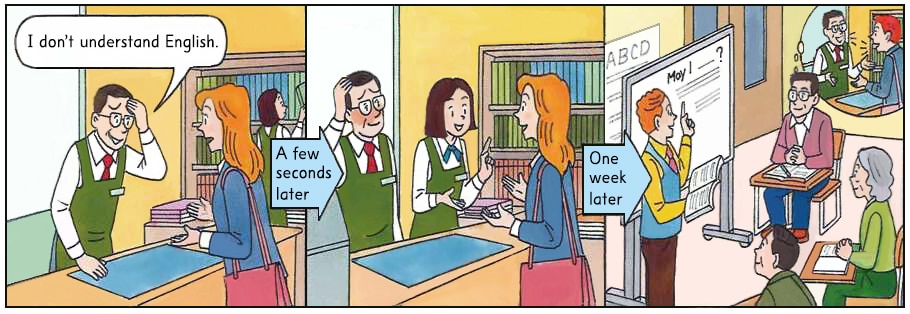
    Original 12 Question Test

    Complete 12 Questions That Get More Complex As You Go.
    Start The Mini Test Here 👇

    Levels without a Speaking Test
    The Written Test – Multiple Choice Quizzes

    EIKEN Tests with a Speaking Test


    A sample of the 2nd part of the EIKEN test

    The second stage of the EIKEN Test in Practical English Proficiency is a spoken test.

    The speaking test:

    Eiken Style Questions with Sample Answers


    You will need to be able to understand questions like this:

    Sample 1: “Please read the passage.”

    Practical Skills

    These days, practical skills such as speaking foreign languages and using computers are regarded as important. As a result, many schools are offering classes for these skills, and learning them gives students more opportunities to find jobs. However, some teachers say that students are losing interest in traditional subjects like history and math. Practical skills are useful, but studying traditional subjects is also important.

    The beginning of each passage is usual the same and the questions asked by each tester are similar but slightly different. After you read the passage out loud the tester will ask you a question related to the test. For example the sample question below.


    EIKEN Test EIKEN Style Sample Questions

    Sample Question 1:

    Question: “According to the passage, how does learning practical skills help students?”

    The question almost always begins with the phrase “According to the passage…”


    Here are some sample answers a student might say during the test.

    Sample Answers:

    1. “By giving them more opportunities to find jobs.”

    2. “By giving students more opportunities to find jobs.”

    3. “Learning practical skills helps students by giving them more opportunities to find jobs.”

    The third answer is the best as it’s a longer answer.

    Answer: Audio Sample – The Student

    Answer: Audio Sample – The Teacher

    Pronunciation points:

    Take care when saying words that begin with TH sounds like them. A common mistake is to make the TH sound sound like long Z. If you do this, the word them will sound like you are saying zem.
    Also take care when saying the second last syllable of the word opportunities.


    EIKEN Style Tests, Part 2 – Task 2

    There will be a series of images next and you will be asked to make a story. The linking words between the pictures are important. Don’t forget to use them. Here is a sample of what the tester might say when they tell you to make the story.

    “Please look at the image here and describe the situation. You have 20 seconds to prepare. Your story should begin with the sentence, “One day, Mr. Suzuki was asked something in English by a customer at his bookstore.“

    “You may begin now. / Please begin. / You can start now.”

    Free EIKEN Style Test Lesson Sample - Sapporo, Hokkaido, Japan

    Try to use any text in speech bubbles as well. For example, “He said, I don’t understand English.”

    Student’s Answer: 

    One day, Mr. Suzuki was asked something in English by a customer at his bookstore. He said to the customer, “I don’t understand English.”

    A few seconds later, a worker at the store talked to the customer in English for him. Mr. Suzuki felt a little embarrassed that he could not help the customer himself.

    One week later, Mr. Suzuki started attending an English language class. He hoped that he would be able to speak with customers in English in the future.

    “Now, Mr. / Ms. ___, please turn over the card and put it down.”


    EIKEN Style Tests – Question 2

    Question: 

    “Some people say that, because of computers, people spend too much time alone. What do you think about that?”

    Sample Answer 1: 

    “I agree. People don’t have to talk to others while using computers. They should have more face-to-face communication with others.”

    Sample Answer 2:

    “I don’t think so. Actually, computers make it easier for us to communicate with our friends. We can e-mail them and arrange where to meet.”


    EIKEN Style Tests – Question 3

    Question: 

    “Today, many schools in Japan have stopped having classes on Saturdays. Do you think this is good for students?”
    “If yes, why? Or if no, why not?”

    ◎ Sample Answer 1: 

    “Yes, because students have more time to spend with their friends. They also have time for volunteer work and club activities.”

    ◎ Sample Answer 2: 

    “No, because schools should give more lessons to their students. Students need to study hard to pass exams and to get nice jobs.”

    ○ Sample Answer 3: 

    “I think both good and bad. So yes it’s good as students have more time to spend with their friends and also do volunteer work or club activities. But no as schools should help students learn more. Students need to study hard to pass exams and to get nice jobs.”


    Examples of situation or stories that might come up in the 2nd level test.

    1. Your story should begin with this sentence:

    One day, Kumiko learned about Ainu culture in her social studies class.

    Eiken Test Paper - Ainu Culture "One day, Kumiko learned about Ainu culture in her social studies class."

    2. Your story should begin with this sentence:

    One day, Kenta and his father were talking about going fishing on Saturday that week.

    Eiken Sample - fishing - July - October

    3. Your story should begin with this sentence:

    One day, Rentaro and Airi were talking in a cafeteria about their new science course taught in English.

    Eiken Test - Your story should begin with "One day, Ren and Airi were talking in a cafeteria about their new science course taught in English. "

    4. Your story should begin with this sentence:

    One day, Shota found that his baby boy was sick and had a very high temperature.

    Eiken Spoken Test - Online Lesson "One day, Shota found that his baby boy had a very high temperature."

    5. Your story should begin with this sentence:

    One day, Erica had a severe pain in her throat.

    Severe Pain Situation - Test Practice "One day, Erica had a severe pain in her throat. "

    6. Your story should begin with this sentence:

    One day, Wataru’s parents took him to an international elementary school.

    Elementary School Situation - "One day, Takashi’s parents took him to an English elementary school."

    Click here to check the real EIKEN test dates.

    I hope this helps and don’t forget to check out the official website for real tests. Most books stores also have official study guides and resources.


    Thank you to everyone that has visited and helped improve this page.

    If you like the work we do, share our page and show us where you shared it for a chance to get a free pronunciation check.

    Also check out our Hokkaido tourism website at https://hokkaido.a4jp.com/top-en/.


    Want to study with a teacher online or at our school?

    英会話コース案内 – Course Information


    The EIKEN CSE Score

    Guide to pass EIKEN grade test

    CEFR (Common European Framework of Reference for Languages): An international standard for describing learners’ language skills. It is a 6-level scale that is widely used in Europe.

    • ※1: Passing status for Grades 4 & 5 is only determined by the first stage (2-skills, Reading & Listening).
    • ※2: Full points for the reading and listening sections only.
    • ※3: Full points for the 3-skills test (RLS).

    Examples of EIKEN level 1 style questions/topics

    Do you agree or disagree?

    Focus on expressing agreement or disagreement using structured arguments, linking phrases and examples. Common connectors include “because,” “therefore,” and “however.”

    Affirmative action is essential for addressing historical inequalities.

    Alcohol has more detrimental effects on society than tobacco.

    Animal testing is necessary for scientific and medical advancements.

    Animals have the right to live and should not be processed for food.

    Artificial Intelligence can replace teachers in the classroom.

    Celebrities should never use their social media to make political protests.

    Censorship infringes on the freedom of artistic expression.

    Coronavirus should now be considered an incurable disease.

    Gene-edited babies are ethical.

    Homogeneous countries cannot thrive anymore.

    It is too late to prevent the loss of a clean environment due to environmental pollution.

    Immediate action is required to address the global climate crisis.

    Japanese companies would benefit from having more women employees.

    Japan’s national debt will cause a national crisis.

    Japan’s population decline will cause a national crisis.

    Modern society is not influenced by sexism.

    Multinational corporations have the most power in a country.

    Multinational corporations hold the most power in modern nations.

    Municipal employees benefit the least from economic development.

    Police in Japan are equipped to meet the challenges of modern society.

    Provision of school meals should be banned.

    Reporters should be penalized for spreading fake news and misinformation.

    Seafood is unsafe for consumption due to marine pollution.

    Social media has caused more harm than good to society.

    Social welfare programs create dependency and should be limited.

    Standardized testing negatively impacts students’ education.

    Studying science at university is a waste of time.

    The government should provide universal basic income to all citizens.

    The media should identify perpetrators of juvenile crime.

    Today’s company employees’ values are the same as past generations.

    The death penalty deters people from committing crimes.

    The death penalty should be banned in Japan.

    Translation technology is undermining the role of language schools.

    The genre of music that we listen to can affect our intelligence.

    The Internet has expanded too far.

    Urbanization has brought diversity to Japan.

    The tabloid journalism exaggerates the problem of celebrities.


    Cause and Effect Questions

    Explain causes and results using phrases like “leads to,” “as a result,” and “due to.”

    Are the benefits of ecotourism greater than its drawbacks?

    Can stricter gun control laws reduce the frequency of mass shootings?

    Can individuals make a difference in the modern world?

    Does globalization widen the gap between wealthy and poor nations?

    Does urbanization enhance diversity in Japan?

    Is artificial intelligence more of a threat than a benefit to humanity?

    Does the government shape public opinion or reflect it?

    Does AI have a responsibility to help unemployment in society?

    Is world hunger ever avoidable?


    Hypothetical Scenarios

    Practice using conditional sentences and imagining possible outcomes.

    Could the gap between genders widen in today’s globalized world?

    Is it feasible for renewable energy to completely replace fossil fuels?

    What would the global economy look like with a single world currency?

    What role should virtual currencies play in our world?

    Will humanity evolve into a utopia or a dystopia?

    Would a 35-hour workweek improve society overall?

    Will mailing letters become obsolete in the Internet-driven 21st century?

    Will world conflicts cease to exist in the 21st century?


    Ethical and Philosophical Questions

    Discuss moral dilemmas and philosophical ideas using abstract nouns and rhetorical devices.

    Are bioweapons an imminent threat to our society?

    Should genetic engineering in humans be deemed morally acceptable?

    Is assisted suicide ethical for terminally ill patients?

    Is animal testing necessary for scientific advancements?

    Can people have strong moral values without law?

    Can the right to own firearms be justified?

    Would gene-editing babies ever be considered ethical?

    Can suicide ever be avoidable? Is the death penalty morally justified?

    Can terrorist movements effectively bring about change in society?

    Is the death penalty inevitable in human society?

    Is the use of drones for targeted killings a violation of human rights?


    Policy and Governance Questions

    Evaluate government policies using modals like “should,” “must,” and “ought to,” with a formal tone.

    Can the efforts of current politicians change our society for the better? *

    Should voting be mandatory in democratic nations?

    Should the government implement stricter regulations to combat climate change?

    What role should the central government play in an international pandemic? *

    Should healthcare workers be required to receive mandatory vaccinations?

    Can the government effectively address the issue of income inequality?

    Should the government make more efforts to protect individual privacy?

    Should the government have the authority to access individuals’ private digital data?

    Can political activism affect the choices of politicians? *

    Should there be limits on the wealth that individuals and corporations can accumulate?

    Should the voting age be lowered to 16?

    What more can governments do to support social welfare? *

    Should there be limits on the size and power of tech giants?

    What role should the central government play in an international pandemic?

    Should developed nations make greater efforts to spread capitalism?

    Should the study of morals be a higher priority among public workers?

    Can the government effectively address the issue of income inequality? *

    Should there be more centralization of politics?

    What role should the central government take during a pandemic? *

    Should all nations have the right to have nuclear weapons for self-defense?

    Should subordinate workers be asked to evaluate their supervisors?


    Technology and Society Questions

    Discuss the impact of technology using passive voice and advanced vocabulary.

    Is space exploration worth the high financial cost?

    Is the use of AI and automation a threat to employment?

    Can social media platforms effectively combat the spread of fake news?

    Is the Internet beneficial to developing countries?

    Has the widespread use of technology platforms diminished the quality of journalism?

    Is modern business too dependent on Information Technology?

    Is using social media an effective way to bring about change in society?


    Environmental Questions

    Use descriptive language to discuss environmental issues with comparisons and modal verbs.

    Are the current standards of living sustainable in the long term?

    Is fossil fuel becoming obsolete?

    Is enough being done to protect the world’s natural resources?

    Should all nuclear power plants be shut down? *

    Is vegetarianism the key to the sustainability of our planet?

    Is enough being done to prevent climate change?

    Should more be done to reduce the emission of carbon dioxide?

    Is enough being done to deal with the problem of global warming?

    Should more efforts be made to address illegal wildlife trade? *


    Social Issues and Inequality Questions

    Explore societal problems using terms like “inequality,” “discrimination,” and “access to resources.”

    Are the threats to society posed by low birthrate being taken seriously?

    Can hate speech be adequately defined and regulated?

    Is capital punishment an effective crime deterrent?

    Is affirmative action in college admissions a fair policy?

    Do fathers have a role in raising their children?

    Is Japan’s justice system being distorted by politicians and corporations?

    Should universities focus more on teaching practical skills?

    Is the status of women today different from previous generations?

    Is enough being done to avoid sexism in society?

    Should more be done to combat racial discrimination?

    Is wealth inequality in society inevitable?

    Is Japan doing enough to support disabilities?

    Agree/Disagree Questions

    Focus on expressing agreement or disagreement using structured arguments, linking phrases and examples. Common connectors include “because,” “therefore,” and “however.”

    • Affirmative action is essential for addressing historical inequalities.
    • Censorship infringes on the freedom of artistic expression.
    • Immediate action is required to address the global climate crisis.
    • Multinational corporations hold the most power in modern nations.
    • Social welfare programs create dependency and should be limited.
    • Social media has caused more harm than good to society.
    • Standardized testing negatively impacts students’ education.

    Cause and Effect Questions

    Explain causes and results using phrases like “leads to,” “as a result,” and “due to.”

    • Are the benefits of ecotourism greater than its drawbacks?
    • Can stricter gun control laws reduce the frequency of mass shootings?
    • Does globalization widen the gap between wealthy and poor nations?
    • Does urbanization enhance diversity in Japan?
    • Is artificial intelligence more of a threat than a benefit to humanity?

    Hypothetical Scenarios

    Practice using conditional sentences and imagining possible outcomes.

    • What would the global economy look like with a single world currency?
    • Is it feasible for renewable energy to completely replace fossil fuels?
    • Will humanity evolve into a utopia or a dystopia?
    • Could the gap between genders widen in today’s globalized world?
    • Would a 35-hour workweek improve society overall?

    Ethical and Philosophical Questions

    Discuss moral dilemmas and philosophical ideas using abstract nouns and rhetorical devices.

    • Should genetic engineering in humans be deemed morally acceptable?
    • Is assisted suicide ethical for terminally ill patients?
    • Animals have the right to live and should not be processed for food. (Agree or disagree)
    • Is animal testing necessary for scientific advancements?
    • Would gene-editing babies ever be considered ethical?

    Policy and Governance Questions

    Evaluate government policies using modals like “should,” “must,” and “ought to,” with a formal tone.

    • Should voting be mandatory in democratic nations?
    • Must stricter regulations be implemented to combat climate change?
    • Should central governments take on a larger role during pandemics?
    • Is financial literacy essential to include in public school curriculums?
    • Should all nuclear power plants be decommissioned?

    英検準1級ライティング予想問題

  • 100+ Recommended English & Japanese Phrases – 英語・日本語フレーズ集(100以上)おすすめ | 英会話・日本語教室 札幌 AGREATDREAM

    100+ Recommended English & Japanese Phrases – 英語・日本語フレーズ集(100以上)おすすめ | 英会話・日本語教室 札幌 AGREATDREAM

    100+ Recommended English & Japanese Phrases – 英語・日本語フレーズ集(100以上)おすすめ | 英会話・日本語教室 札幌 AGREATDREAM

    Hyaku ijō no eigo / nihongo fure-zu shū (osusume)

    Bilingual Phrase List | A Collection of 100+ English and Japanese phrases (recommended)

    Before we look at some useful phrases let’s do a mini test.

    便利なフレーズを勉強する前に、ミニテストをしてみましょう。

    Benri na furēzu o benkyou suru mae ni, mini tesuto o shite mimashou.

    英語・日本語クイズ用 6Ws + 1H
    6Ws + 1H English-Japanese Quiz

    英語の単語の正しい日本語訳を選択してください。
    Choose the correct Japanese translation.

    1. 
    2. 
    3. 
    4. 
    5. 
    6. 
    7. 


    English and Japanese Phrases
    英語と日本語の表現
    eigo to nihongo no hyougen


    下記の一般的な表現を勉強すると会話する時に役立ちます。
    Below is a list of common phrases you can study to get speaking right away.

    は(ha)is pronounced as wa when speaking in Japanese. It has been written as wa below.


    Greetings / Phrases
    挨拶
    aisatsu


    Hi!

    おはようございます。
    Ohayo(u) gozaimas(u).
    (*In the morning)

    こんにちは。
    Konnichi wa.
    (*During the day)

    こんばんは。
    Konban wa.
    (*In the evening)

    やあ。 *1 (*This isn’t used very much in everyday conversations.)
    Yaa.


    Good morning!

    おはようございます。
    Ohayou gozaimas(u).

    おはよう。 (*This is more casual and used with friends. People sometimes use this casually when they start work at night time. You might hear some people say this at nightclubs when they meet their friends.)
    Ohayo(u).


    Good evening!

    こんばんは。
    Konban wa.


    Welcome! (Greeting someone, usually in shops)

    ようこそ
    いらっしゃいませ
    Yo(u)koso
    Irasshaimase


    How are you?

    お元気ですか?
    (O)genki des(u) ka?
    (*Adding the O at the beginning of genki in this question makes it more polite.)

    元気ですか?
    Genki des(u) ka?


    ◯ I’m fine, thanks!

    (わたしは)元気です。ありがとう。
    (Watashi wa) genki des(u). Arigato(u)!

    ◎ I’m good.

    元気です。
    Genki des(u).


    And you?

    あなたは?
    Anata wa?


    Good.

    元気です。
    Genki des(u).

    So-So.

    まあまあです。
    Maa-maa des(u).


    Thank you (very much)!

    ありがとう! *2
    Arigato(u)!


    You’re welcome!

    どういたしまして。
    Dou itashi mashite.
    (*In reply to “thank you”.)


    I missed you so much!

    さみしかったです。 *3
    Samishi katta des(u).


    What’s new?
    How have you been recently?

    最近どうですか?
    Saikin dou des(u) ka?


    Nothing much.

    変わりないです。
    Kawari nai des(u).


    Good night!

    おやすみなさい。
    Oyasumi nasai.


    See you later!

    またあとで会いましょう!
    Mata atode aimasho(u)!


    Good bye!

    さようなら!
    Sayonara!


    Meeting Someone
    人に会う・出会い
    Hito ni au/deai


    Let’s meet in Sapporo.

    札幌で会いましょう。
    Sapporo de aimasho(u).


    Let’s meet at the shop.

    お店で会いましょう。
    Omise de aimasho(u).


    See you next week.

    では来週お会いしましょう。
    Dewa raishu oaimasho(u).


    Asking for Help & Directions
    助けるための表現・道案内
    tasukeru tame no hyougen/michiannai


    I’m lost.

    迷ってしまいました。
    Mayotte shimai mashita.


    Can I help you?

    お手伝いしましょうか?
    Otetsudai shimasho(u) ka?


    Can you help me?

    手伝ってくれますか? *4
    Tetsudatte kuremas(u) ka?


    Where is the bathroom?

    トイレはどこですか?
    Toire wa doko des(u) ka?


    Where is the pharmacy?

    薬局はどこですか?
    Yakkyoku wa doko des(u) ka?


    Go straight! Then turn right. Then turn left.

    まっすぐ行ってください。
    そして、 右にまがってください。
    そして、 左にまがってください。
    Massugu itte kudasai.
    Soshite, migi ni magatte kudasai.
    Soshite, hidari ni magatte kudasai.


    I’m looking for John.

    ジョンを探しています。
    John (w)o sagashite imas(u).


    One moment please!

    ちょっと待ってください。
    Chotto matte kudasai.


    Hold on please! (*on the phone)

    ちょっと待ってください。
    Chotto matte kudasai.


    How much is this?

    これはいくらですか?
    Kore wa ikura des(u) ka?


    Excuse me! (*to ask for something)

    すみません!
    Sumimasen!


    Excuse me! (*to pass by someone)

    すみません!
    Sumimasen!


    Come with me!

    私といっしょに来てください。
    Watashi to issho ni kite kudasai.


    How to Introduce Yourself
    自己紹介の仕方
    jikoshoukai no shikatta


    Do you speak (English/ Japanese)?

    あなたは(英語/日本語)を話しますか?
    Anata wa eigo/nihongo wo hanashimas(u) ka?


    Just a little.

    少しだけ。
    Sukoshi dake.


    What’s your name?

    名前は何ですか?
    Namae wa nandes(u) ka?


    My name is …

    私の名前は_____。
    Watashi no namae wa _____.


    Mr. _____/ Mrs. _____/ Ms. / Miss. _____

    _____さん *5 “san” is adequate for all.
    _____ san.


    Nice to meet you!

    はじめまして!/お会いできてうれしいです! *6
    Hajimemashite!
    OR
    Oai dekite ureshii des(u).


    You’re very kind!

    あなたはとてもしんせつです。
    Anata wa totemo shinsetsu des(u).


    Where are you from?

    どこの出身ですか?
    Doko no shusshin des(u) ka?


    I’m from (the U.S / Japan).

    アメリカ/日本からです。
    Amerika/Nihon kara des(u).


    I’m (American / Japanese).

    私はアメリカ人です。
    Watashi wa Amerika/Nihon jin des(u).


    Where do you live?

    どこに住んでいますか?
    Doko ni sun de imas(u) ka?


    I live in (the U.S/Japan).

    私は(アメリカ/日本)に住んでいます。
    Watashi wa (amerika / nihon) ni sunde imas(u).


    Did you like it here?

    ここは好きになりましたか?
    Koko wa suki ni narimashita ka?


    Japan is a wonderful country.

    日本は素晴らしい国です。
    Nihon wa subarashii kuni des(u).


    What do you do for a living? What’s your job? What do you do for work?

    お仕事は何ですか?
    Oshigoto wa nan des(u) ka?


    I work as a {translator, businessman}.

    翻訳者/会社員として働いています。
    Honyakusha / kaishain toshite hataraite imas(u).


    I like Japanese.

    私は日本語が好きです。
    Watashi wa nihongo ga suki des(u).


    I’ve been learning Japanese for 1 month.

    私は日本語を一ヶ月習っています。
    Watashi wa nihongo (w)o ikkagetsu naratte imas(u).


    Oh! That’s good!

    それはいいですね。
    Sorewa ii desu ne.


    How old are you?

    年はいくつですか?
    Toshi wa ikutsu des(u) ka?


    I’m {twenty, thirty} years old.

    私は(20,30)才です。
    Watashi wa (ni juu, san juu) sai des(u).


    I have to go.
    I must go.

    行かなくてはなりません。
    Ikanakute wa narimasen.


    I will be right back!
    I’ll be right back!

    すぐ戻ります。
    Sugu modori mas(u).


    Phrases for Wishing Someone Something


    Good luck!

    がんばってね! *7
    Ganbatte ne!


    Happy birthday!

    誕生日おめでとうございます!
    Tanjyoubi omedeto(u) gozaimas(u)!


    Happy new year!

    あけましておめでとうございます。
    Akemashite omedeto(u) gozaimas(u).


    Merry Christmas!

    メリークリスマス! *8
    Merii Kurisumasu!


    Congratulations!

    おめでとう!
    Omedetou!


    Enjoy! (* for meals…)

    {名刺、等} を楽しんでください。
    {noun, etc.} (w)o tanoshinde kudasai.


    I’d like to visit Japan one day.

    いつか日本を訪れたい。
    Itsuka nihon (w)o otozure tai.


    Say hi to John for me.

    Johnによろしくと伝えてください。
    John ni yoroshiku to tsutaete kudasai.


    Say thanks to Glen (the teacher) for me.

    グレン先生にありがとうと伝えてください。
    Glen sensei ni arigato(u) to tsutaete kudasai.


    Bless you! (*when sneezing)

    お大事に。
    Odaiji ni.


    Good night and sweet dreams!

    おやすみなさい。
    Oyasumi nasai.


    If You Can’t Hear or Understand
    聞き取れない時または理解できない時
    kikitorenai toki mata ha rikai dekinai toki


    I’m sorry! (*if you don’t hear something)

    すみません。
    Sumimasen.


    Sorry. (*for a mistake)

    ごめんなさい。
    Gomenasai.


    No Problem!

    大丈夫です。
    Daijyoubu des(u).


    Can you say it again?

    もういちど言ってくれますか?
    Mouichido itte kure mas(u) ka?


    Can you speak slowly?

    ゆっくりしゃべってくれますか?
    Yukkuri shabette kuremas(u) ka?


    Write it down please!

    書いてください。
    Kaite kudasai.


    I don’t understand!

    わかりません。
    Wakarimasen.


    I don’t know!

    知りません。
    Shirimasen.


    I have no idea.

    わかりません。
    Wakarimasen.


    What’s that called in Japanese?

    あれは日本語で何といいますか?
    Are wa nihongo de nanto iimas(u) ka?


    What does “omedeto” mean in English?

    Omedeto は英語でどういう意味ですか?
    “Omedeto” wa eigo de douiu imi des(u) ka?


    How do you say “please” in Japanese?

    “Please” は日本語で何と言いますか?
    “Please” wa nihongo de nanto iimas(u) ka?


    What is this?

    これは何ですか?
    Kore wa nan des(u) ka?


    My Japanese is bad.

    私の日本語はへたです。
    Watashi no nihongo wa heta des(u).


    I need to practice my Japanese.

    日本語を練習する必要があります。
    Nihonn go (w)o renshu suru hitsuyou ga arimas(u).


    Don’t worry!

    ご心配なく。
    Goshinpai naku.


    Japanese Expressions & Words – Useful Phrases


    Yes/ No

    はい/いいえ
    Hai / iie


    This/That

    これ/あれ
    Kore / Are


    Here/There

    ここ/あそこ
    Koko / Asoko


    Good/Bad/So-So.

    よい/悪い/まあまあ
    Yoi / Warui / maa-maa


    Big/ Small

    大きい/小さい
    Ookii/Chiisai


    Today/ Now

    今日/今
    Kyou / Ima


    Tomorrow/ Yesterday

    明日/昨日
    Ashita / Kino(u)


    Here you go! (*When giving something.)

    はい、どうぞ。
    Hai, do(u)zo!


    Do you like it?

    好きですか?
    Suki des(u) ka?


    I really like it!

    ほんとに好きです。
    Honto ni suki des(u).


    I’m hungry.

    おなかが空きました。
    Onaka ga suki mashita.

    おなか着いた。
    Onaka tsuita.


    I’m thirsty.

    のどがかわきました。
    Nodo ga kawaki mashita.


    In the morning/ evening/ at night.

    朝に/夕方に/夜に
    Asa ni / yuugata ni / yoru ni


    Me / You / Him / Her

    私/あなた/彼/彼女
    Watashi / Anata / Kare / Kanojyo.


    Really!

    ほんと!
    Honto!


    Look!

    見て!
    Mi te!


    Hurry up!

    急いで!
    Isoi de!


    What? Where?

    何? どこ?
    Nani? Doko?


    What time is it?

    何時ですか?
    Nanji des(u) ka?


    It’s 10 o’clock. / 07:30 pm.

    十時です。午後7時30分です。
    Jyuji des(u). / Gogo shichi ji sanjyu pun des(u).


    Give me this please.

    これをください。
    Kore (w)o kudasai.


    I love you!

    大好きです。/あなたを愛しています。 *9
    Daisuki des(u)./ Anata wo aishite imas(u).


    I feel sick.

    調子が悪いです。
    Choshi ga warui des(u).


    I want to go to hospital.
    又はこちらでも I want to see a doctor.

    病院に行きたい。
    Byouin ni ikitai.

    Counting


    One, two, three

    いち、に、さん
    Ichi, ni, san


    Four, five, six

    よん、ご、ろく
    Yon, go, roku


    Seven, eight, nine, ten

    なな(ひち)、はち、きゅう、じゅう
    Nana (shichi), hachi, kyuu, jyuu


    *1. This phrase may be a kind of literary or a written expression. Therefore, it’s seldom used in conversation but never is unnatural.

    *2. Arigato(u) and Arigato(u) gozaimas(u). There’s no big difference between them, “Arigato gozaimas(u)” is just more polite.

    *3. (Anata ga inakute) Samishi katta des(u): Abbreviated Anata ga inakute.

    *4. Usually we just say “Excuse me/Sumimasen” and “Can you help me” is included in this “Sumimasen”.

    *5. Adding ~san is normal. You can add the word “san” after both the first and last names. For example, like Koizumi san, Jyunichiro san or John Elton san. The order of names are reversed though.

    *6. This sentence can directly be Oai dekite ureshii des(u). If you meet person for the first time, you can say Hajimemashite.

    *7. The direct translation is Kouun (w)o inori mas(u).

    *8. Christmas is not really celebrated as a religious event in Japan. Merry Christmas is not a common greeting you would hear.

    *9. This is one of the Japanese language mysteries, I love you is expressed in progressive aspect like “I am loving you”. Basically, this phrase is seldomly used. Instead, “Daisuki des(u)” is used casually instead.

    I hope the content of this page was useful. Make sure to memorize as many of these phrases as possible to be able to use them in daily conversations.

    To add this page to your favorite pages simply press (Ctrl+D) on your keyboard for Internet Explorer or Firefox.

    Five different kinds of phrases・5種類の句・Go shurui no ku

    1. Noun phrases・名詞句(めいしく):
    A student in the room yelled loudly.
    部屋にいる学生が大声で叫びました。
    Heya ni iru gakusei ga oogoe de sakebi mashita.

    He bought a nice bag.
    彼は素敵なカバンを買いました。
    Kare wa suteki na kaban o kai mashita.

    2. Verb phrases・動詞句(どうしく):
    She has finished her homework.
    彼女は宿題を終えました。
    Kanojo wa shukudai o oe mashita.

    You should study for the test.
    テストのために勉強すべきです。
    Tesuto no tame ni benkyou subeki desu.

    3. Adjective phrases・形容詞句(けいようしく):
    I’m very happy with this decision.
    この決定にとても満足しています。
    Kono kettei ni totemo manzoku shite imas(u).

    The price is way too good.
    値段がとても良すぎます。
    Nedan ga totemo yosasugi mas(u).

    4. Adverb phrases・副詞句(ふくしく):
    They drove really fast.
    彼らはとても速く運転しました。
    Karera wa totemo hayaku unten shi mashita.

    He finished much quicker.
    彼はずっと早く終わらせました。
    Kare wa zutto hayaku owarasemashita.

    5. Prepositional phrases・前置詞句(ぜんちしく):
    She is sleeping in the hotel.
    彼女はホテルで寝ています。
    Kanojo wa hoteru de netei mas(u).

    She always sings with a loud voice.
    彼女はいつも大きな声で歌います。
    Kanojo wa itsumo ookina koe de utai mas(u).


    View Homepage

  • Alphabet Practice

    Alphabet Practice

    Alphabet Practice

    free alphabet writing practice sheet
    cat

    A a B b C c D d E e F f G g H h I i J j K k L l M m N n O o P p Q q R r S s T t U u V v W w X x Y y Z z

    A B C D E F G H I J K L M N O P Q R S T U V W X Y Z

    a b c d e f g h i j k l m n o p q r s t u v w x y z

    Join Our English Classes

    Love the free ABC game? Enroll in AGREATDREAM’s classes for more. Connect on Instagram, Facebook or visit AGREATDREAM to sign up!


    Dive into our free ABC game at Sapporo Eikaiwa AGREATDREAM! This game helps kids and beginners master English letters through interactive play. It’s perfect for building a strong foundation in language learning, aligning with Japan’s push for early English education.

  • 【ホテルの日本語】Nihongo for Hotel Staff

    【ホテルの日本語】Nihongo for Hotel Staff

    【ホテルの日本語】Nihongo for Hotel Staff

    ホテルの日本語

    #JLPT #N4 #Nihogo

    See All Dialogues +


    The material below this is higher than level 4.

    Furonto de onegai wo suru.
    フロントでお願いをする
    Asking for help at the front reception desk.
    アスキング・フォー・ヘルプ・アット・ザ・フロント・レセプション・デスク.

    checkuin, onegai shimasu.
    1. チェックイン、お願いします。
    I’d like to check-in.
    アイド・ライク・トゥ・チェックイン。

    フロントで何かが必要なとき、何かをして欲しい時は、

    ○○、お願いします。
    ◯◯ onegai shimasu.

    のひと言で大丈夫です。

    例

    ・ チェックアウト[checku auto]、お願いします。
    [auto]は英語のautomaticのautoのような発音にはならず、[a][u][to]と発音されます。

    ・ 鍵[kagi]、お願いします。(フロントで鍵を預けるとき、返してもらう時)

    ・ タクシー[takshi-]、お願いします。

    ・ ルームサービス[ru-mu sa-bisu]、お願いします。

    フロントで質問する

    waifai wa arimasu ka?
    2. Wi-Fiは、ありますか?
    Do you have Wi-Fi?
    ドゥー・ユー・ハヴ・ワイファイ?

    何かを探しているときは、○○は、ありますか?と聞いてみましょう。発音は、[○○wa arimasu ka]です。語尾を上げ調子に聞いてみましょう。

    例

    ・パスワード [pasuwa-do] は、ありますか?

    ・ATM[e ti emu]は、ありますか?

    ・地図[chizu]は、ありますか?

    ・金庫[kinko]は、ありますか?

    ・アイロン[airon]は、ありますか?

    Daiyokujo wa doko desu ka?
    3. 大浴場は、どこですか?
    Where is the large public bath?
    ウェア・イズ・ザ・ラージ・パブリック・バス?

    場所を聞く表現が、

    ○○は、どこですか?
    ○○wa doko desu ka?

    です。

    大浴場とは、部屋にあるのとは別に、他のお客さんと一緒に使う大きなお風呂のことです。

    はだかで大きなお風呂に入るのは少し恥ずかしいかもしれませんが、ぜひ一度体験してみてください。

    例

    ・エステ[esute] は、どこですか?

    ・ジム [jimu] は、どこですか?

    Ichiban chikai eki wa doko desu ka?
    4. 一番近い駅はどこですか?
    Where is the closest station?
    ウェア・イズ・ザ・クロウゼスト・ステーション?

    ホテルの最寄りの施設の場所を知りたい際は、

    ・[chi]…英語のcheese のcheeのような音ですが、唇を丸めずに発音して下さい。

    ichiban chikai ○○ wa doko desu ka?
    一番近い○○は、どこですか?

    と尋ねましょう。

    例

    ichiban chikai sushiya ha, doko desu ka?
    ・ 一番近い寿司屋は、どこですか?
    Where is the closest shushi shop?

    ・一番近いスーパー[su-pa-]は、どこですか?

    Choshoku wa nanji desu ka?
    5. 朝食は何時ですか?
    What time is breakfast?
    ワット・タイム・イズ・ブレックファスト?

    時間を尋ねる表現が

    ○○wa nanji desu ka?
    ○○は何時ですか?
    What time is ___________?

    です。

    また、日本のホテル・旅館はチェックアウト時間が早めのことも多いので、最初に

    チェックアウト[checku auto]は何時ですか?

    と確認しておくと安心です。

    ryogae wa dekimasu ka?
    6. 両替は、できますか
    Can I get some change?
    キャン・アイ・ゲット・サム・チェンジ?

    サービスの有無を尋ねる際は、

    ○○ wa dekimasu ka?
    ○○は、できますか?
    Can you ___________?

    と聞いてみましょう。

    例

    ・ルームサービス[ru-mu sa-bisu]は、できますか?

    massa-ji wa, dekimasu ka?
    ・マッサージは、できますか?
    Can you give me a massage?

    部屋で困ったときの表現

    Heya ni kite kudasai.
    7. 部屋に来て下さい。
    Please come to my room.
    プリーズ・カム・トゥ・マイ・ルーム。

    部屋でなにか困ったときは、「部屋に来て下さい」と電話でお願いしましょう。

    shawa- ga tsukaemasen.
    8. シャワーが使えません。
    I can’t use the shower.
    アイ・キャント・ユーズ・ザ・シャワー。

    部屋で、何かの使い方が分からない時、何かが壊れてる時は、

    ・[tsu]はcatsや、bootsのtsuの音です。t と s を離さないようにして下さい。

    ○○ ga tsukaemasen.
    ○○が使えません

    と相談しましょう。

    例

    ・ 金庫[kinko]が使えません。

    ・ エアコン[eakon]が使えません。

    ・ Wi-Fi [waifai] が使えません。

    Chekkuauto no toki ni
    チェックアウトのときに
    When checking-out.

    nimotsu wa azukeraremasu ka?
    9. 荷物は預けられますか?
    Can you take my bags?
    キャン・ユー・テイク・マイ・バッグズ?

    日本のホテルのチェックアウトの時間は、朝の10時や11時と早いことが多いです。

    部屋を出た後、まだスーツケース等はホテルに置いて、街の観光をしたい場合は、荷物は預けられますか?とフロントでお願いしましょう。

    チェックアウトの際は

    Arigatou gozai mashita.
    ありがとうございました。
    Thank you very much.

    と言いましょう。

    ホテルに忘れ物をしたら…

    kamera wo wasure mashita.
    10. カメラを忘れました。
    I forgot my camera.
    アイ・フォーガット・マイ・カメラ。

    ◯◯ (w)o wasure mashita.
    ◯◯を忘れました。
    I forgot ___________.

    で忘れ物を伝えることができます。

    ホテルによっては、自国まで郵送してくれるところもありますよ。

    例
    ・ケータイ [ke-tai] を忘れました。

    Higesori (w)o wasuremashita.
    ・ひげそりを忘れました。
    I forgot to shave.

    [hi]…口を狭めて、上あごをこするようにして息を吐く音です。ドイツ語を勉強したことがある人なら、ドイツ語の ichのchiの音です。

    ホテルの日本語

    復習

    Checku in onegai shimasu.
    1. チェックイン、お願いします。
    I’d like to check-in please.
    アイド・ライク・トゥ・チェックイン・プリーズ。

    Waifai wa arimasu ka?
    2. Wi-Fiは、ありますか?
    Do you have Wi-Fi?
    ドゥー・ユー・ハヴ・ワイファイ?

    Daiyokujo wa doko desu ka?
    3. 大浴場は、どこですか?
    Where is the large public bath?
    ウェア・イズ・ザ・ラージ・パブリック・バス?

    Ichiban chikai eki wa doko desu ka?
    4. 一番近い駅はどこですか?
    Where is the closest station?
    ウェア・イズ・ザ・クロウゼスト・ステーション?

    Choshoku wa nanji desu ka?
    5. 朝食は何時ですか?
    What time is breakfast?
    ワット・タイム・イズ・ブレックファスト?

    Ru-mu sa-bisu wa dekimasu ka?
    6. ルームサービスは、できますか?
    Can you do room service?
    キャン・ユー・ドゥー・ルームサービス?

    Heya ni kite kudasai.
    7. 部屋に来て下さい。
    Please come to my room.
    プリーズ・カム・トゥ・マイ・ルーム。

    Shawa- ga tsukaemasen.
    8. シャワーが使えません。
    I can’t use the shower.
    アイ・キャント・ユーズ・ザ・シャワー。

    Nimotsu wa azukeraremasu ka?
    9. 荷物は預けられますか?
    Can you take my bags please?
    キャン・ユー・テイク・マイ・バッグズ・プリーズ?

    (Watashi no) kamera (w)o wasuremashita.
    10. カメラを忘れました。
    I forgot my camera.
    アイ・フォーガット・マイ・カメラ。

    いかがでしたか?

    便利な表現を使いこなして、旅をより快適に過ごしましょう!

    ホテルの日本語

    ホテルの日本語:ホテル鍵 hotel room keys at the reception counter, metal hotel keys, key chains

    Check out our tourism website here: https://hokkaido.a4jp.com/top-en/

  • 【間違いやすい英文法】THE, A, AN の違い… 正しい冠詞の使い方

    【間違いやすい英文法】THE, A, AN の違い… 正しい冠詞の使い方

    【間違いやすい英文法】THE, A, AN の違い… 正しい冠詞の使い方

    冠詞 【間違いやすい英文法】the, a, an 違い… 正しい冠詞の使い方

    冠詞:

    英単語:article
    意味:冠詞(a, an, the)
    発音:アーティクル
    複数形:articles アーティクルズ

    冠詞とは何かということをご説明しましょう。英語には、“the”、 “a” 、 “an” の3種類の冠詞があります。これらの冠詞は名詞の前に使われます。


    【aとanの違い】 Indefinite Articles

    これらの冠詞は、具体的にどの名詞の話をしているのか特定できないので、不定冠詞と呼ばれています。

    例えば、“ア・ベジタブル a vegetable”と言えば、どの野菜でもよいわけですし、特定のリンゴを選ばずに “アン・アップル an apple” を食べたいと言うこともできます。どちらの冠詞を使うのかを知る方法ですが、名詞が母音(”a”, “e”, “i” ,”o” or “u”の文字)で始まっていたら“an”を使いますし、子音で始まっている場合には“a”を使います。

    例外:
    母音の前に“an”、子音の前に“a”を使うという規則には、実はいくつかの例外があります。 “u”で始まる名詞でありながら“you”の発音をする場合には“a”を使います。 “アイ・ウェント・トゥ・ア・ユニバーシティ。I went to a university.” の例がそうです。そして、名詞が無音の“h”で始まるときには“an”を使います。“ウィー・ハヴ・アン・アワー・ビフォー・ザ・ムービー・スターツ。We have an hour before the movie starts.”の例がそうです。

    The following word starts with a spoken consonant

    a, e, i, o, or u

    a lesson
    a teacher
    a girl

    a unit
    unit = yu + ni + t

    The following word starts with a spoken vowel

    an apple
    an online lesson
    an American woman

    When to add articles
    つける とき

    Before Time & Measurements (per week/weekly)

    • I have online lessons 5 times a week.
      アイ・ハヴ・オンライン・レッスンズ・ファイブ・タイムズ・ア・ウィーク。
      オンラインレッスンを週5回行っています。
    • I go to Australia three times a year.
      アイ・ゴー・トゥ・オーストラリア・スリー・タイムズ・ア・イヤー。
      年に3回オーストラリアに行っています。
    • Her motorbike can do 250 kilometres an hour.
      ハー・モーターバイク・キャン・ドゥー・ツー・ハンドレッド・フィフティ・キロメートルズ・アン・アワー。
      彼女のバイクは時速250キロで走れる。
    • Apples are $4 to $5 a kilo.
      アップルズ・アー・フォー・トゥ・ファイブ・ダラーズ・ア・キロ。
      りんご 1kgは4.00ドル ~ 5.00ドルです。

    Before Jobs

    • My father is a consultant.
      マイ・ファーザー・イズ・ア・コンサルタント。
      私のお父さんはコンサルタントです。

    With Noun Complements

    • He is a nice guy.
      ヒー・イズ・ア・ナイス・ガイ。
      彼はいい男だ。

    Before Nationalities

    • Scarlett Johansson is an American.
      スカーレット・ヨハンソン・イズ・アン・アメリカン。
      スカーレット・ヨハンソンさんはアメリカ人です。

    Half & Quite

    • We need half a kilo of flour.
      ウィー・ニード・ハーフ・ア・キロ・オブ・フラワー。
      半キロの小麦粉が必要です。
    • This is quite a restaurant.
      ディス・イズ・クワイト・ア・レストラン。
      これはすごいレストランだ。

    【the】Definite Article

    これは定冠詞です。この冠詞を使うのは、ある特定のなにかについて話をするときです。例えば “アイ・ボート・ザ・ベジタブルズ。I bought the vegetables.” といえば、私が買った特定の野菜の話をしていることになります。

    冠詞は名詞の前に使われますが、使用すべきときと、使用しなくてもよいときを区別することがとても大切です。

    [ðə] “thuh,” rhymes with “duh”
    The following word starts with a spoken consonant
    the girl
    the homework
    the school
    [ði:] (“thee,” rhymes with “free”)
    The following word starts with a spoken vowel
    the English girl
    the orange marker
    the old book

    【冠詞を使用しないとき】
    Times You don’t Need an Article

    • Ariana Grande、 Dwayne Johnson や Will Smith など固有名詞の前。
    • France, China や Spain などの国名の前。
    • baseball、soccer、 cricket や basketball などのスポーツ名の前。
    • Spanish、Hindi や English などの言語名の前。
    • Economics、Law や Medicine などの科目名の前。

    【冠詞を使用するとき】

    • the Pacific Ocean、the Philippine Sea や the Volga Riverなどの海や川の名前の前。
    • the Amazon、the Antarctic Desert や the Gulf of Mexico などの砂漠、湾、森や半島の名前の前。
    • a software developer、a dentist や an orthodontist などの職業の名前の前。

    これで、 theとaとanの違いはばっちりでしょうか?冠詞を間違えるとネイティブスピーカーには不自然に聞こえてしまうので、ぜひ意識して使ってみてくださいね。


    【便利な表現】

    「Have a nice day.」
    訳語: 良い日を

    「I bought a lot.」
    訳語: たくさん買った


    【間違いやすい英文法】

    1. The following nouns are uncountable in English but not in many other languages:
      bread, news, information, furniture, work, research and spaghetti.
      Don’t use a with these nouns. Use some and do not make these nouns plural.

    ❌ Please buy a furniture.

    ❌ Please buy furnitures.

    ✅ Please buy some furniture.
    プリーズ・バイ・サム・ファニチャー。

    We don’t use the for most countries names but we use the with countries that have words such as states, kingdom or republic in them.

    ❌ I’m from United States.

    ✅ I’m from the United States.
    アイム・フロム・ザ・ユナイテッド・ステイツ。

    Don’t use the with languages.

    ❌ The Japanese isn’t an easy language to learn.

    ✅ Japanese isn’t an easy language to learn.
    ジャパニーズ・イズント・アン・イージー・ランゲージ・トゥ・ラーン。


    【クイズ・Quiz】

    最も良い答えを選んでください。複数の答えを選ぶことができます。
    Please select the best answer. You can select more than one answer.

    1. 

    Can I have ___ table near the window?

    2. 

    ___ rain

    3. 

    ___ flour

    4. 

    ___ chicken

    5. 

    Pass ___ salt, please.

    6. 

    ___ broccoli

    7. 

    ___ rice

    Grammar Quiz 2

    1. We bought some cheese and ham. _____ cheese was delicious.

    2. It’s _____ interesting book.

    3. There was _____ document on the table.

    4. Diane Vizthum, M.S., R.D., research nutritionist for Johns Hopkins University School of Medicine say that _____ coffee can be good for your health.

    5. I don’t have _____ car but I want one.

    6. Can you pass me _____ seaweed flakes?

    7. _____ president visited Hokkaido.

    8. My step-mother was _____ police officer.

    9. Almost everybody knows that _____ cats are very independent animals.

    10. They picked me up at _____ airport.

    11. Do you want _____ bottle of milk?

    12. _____ potentially effective treatment for atopic dermatitis is _____ honey.


    不可算名詞(Uncountable Nouns)

    冠詞 不可算名詞(Uncountable Nouns) a bottle of milk, a glass of water, a jug of water, a cup of tea, a packet of tea, a jar of honey, a loaf of bread, a slice of bread, a carton of milk, a can of Coke, a bottle of Coke, a bowl of sugar, a kilo of meat, a bar of soap, a bar of chocolate, a piece of chocolate, a piece of cheese, a piece of furniture

    The History of Articles / Origins

    “the,” “a,” and “an” in English, are deeply intertwined with the development of languages, particularly Indo-European languages. Articles serve as a grammatical tool to indicate the definiteness and indefiniteness of a noun. Here’s an overview of the history and development of articles:

    Ancient and Classical Periods

    1. Ancient Greek:
      • Ancient Greek had definite articles but no indefinite articles. The definite article (ὁ, ἡ, τό) was used to specify a particular noun.
      • The definite article evolved from the demonstrative pronoun, which means it initially pointed out something specific.
    2. Latin:
      • Classical Latin did not have articles. Nouns could be definite or indefinite based on context alone.
      • However, demonstrative pronouns like “ille” (that) and “hic” (this) could serve similar functions as definite articles.

    The Medieval Period

    1. Romance Languages:
      • With the fall of the Roman Empire and the evolution of Latin into the various Romance languages (Spanish, French, Italian, etc.), definite and indefinite articles emerged.
      • For instance, in Old French, the definite article “le” (from Latin “ille”) and the indefinite article “un” (from Latin “unus”) began to be used.
    2. Germanic Languages:
      • Old English used the definite article “se” (masculine), “seo” (feminine), and “þæt” (neuter), which evolved into “the” in Modern English.
      • There was no clear indefinite article in Old English, but “an” (one) started to be used in Middle English, leading to the modern “a” and “an.”

    The Early Modern Period

    1. English:
      • By the Early Modern English period (15th-17th centuries), the use of “the” as the definite article and “a” or “an” as the indefinite article was firmly established.
      • The Great Vowel Shift and other phonological changes in this period influenced the modern pronunciation and usage.

    The Modern Period

    1. Standardization:
      • The rules for articles became more standardized with the advent of dictionaries and grammar books.
      • In English, “a” is used before words starting with a consonant sound, and “an” before words starting with a vowel sound.
    2. Global Influence:
      • As English spread globally, its use of articles influenced other languages, especially through colonization and global media.
      • Many languages still do not have articles (e.g., Russian, Chinese) or use them differently (e.g., Arabic, Hebrew).

    Linguistic Insights

    1. Semantic and Syntactic Functions:
      • Articles play a crucial role in syntax and semantics, helping to clarify the specificity and generality of nouns.
      • The study of articles has provided insights into language acquisition, language change, and cognitive processes in linguistics.
    2. Cross-Linguistic Variations:
      • Languages vary in their use and necessity of articles. Some languages, like Japanese and Korean, use particles or context instead of articles.
      • The presence or absence of articles can affect the interpretation of sentences and the structure of noun phrases.

    Conclusion

    The history of articles illustrates the dynamic and adaptive nature of language. Emerging from demonstrative pronouns in ancient languages like Greek, the concept of articles evolved significantly, shaping the way we specify and generalize nouns. The absence of articles in Classical Latin and their development in Romance and Germanic languages highlight the diverse paths languages can take. In English, articles like “the,” “a,” and “an” became standardized, influencing linguistic structures and communication clarity. The study of articles not only sheds light on language evolution but also enhances our understanding of human cognition and linguistic diversity. As languages continue to evolve, the role of articles remains a key aspect of how we convey meaning and navigate the complexities of grammar and syntax.

  • Toxic Hotlinking | How to Prevent Image Hotlinking

    Toxic Hotlinking | How to Prevent Image Hotlinking

    Toxic Hotlinking | How to Prevent Image Hotlinking

    You can type this: inurl:yourwebsite.com -site:yourwebsite.com into to Google Image Search to see if people are hotlinking your files.

    After that you can just can change file names on your server to stop people hotlinking.

    In my case, I would search for this:

    inurl:agreatdream.com -site:agreatdream.com

    Then from the following pages change URLs or image addresses.

    Hope this helps you remove toxic hotlinking from your site.


    Add a code snippet to your .htaccess file

    Go to the main file directory of your website and open your .htaccess file.

    Scroll to the end of it and paste in the following code:

    /* Prevent image hotlinking in WordPress */
    RewriteCond %{HTTP_REFERER} !^$
    RewriteCond %{HTTP_REFERER} !^http(s)?://(www.)?yourwebsite.com [NC]
    RewriteCond %{HTTP_REFERER} !^http(s)?://(www.)?google.com [NC]
    RewriteCond %{HTTP_REFERER} !^http(s)?://(www.)?facebook.com [NC]
    RewriteCond %{HTTP_REFERER} !^http(s)?://(www.)?twitter.com [NC]
    RewriteCond %{HTTP_REFERER} !^http(s)?://(www.)?other-websites-go-here.com [NC]
    RewriteRule .(jpg|jpeg|png|gif)$ - [F]

    What this code does is prevent other sites other than yours, Facebook, Twitter, and Google from accessing your images. You’ll notice that there’s an additional line with an example of another whitelisted site. If there are other places you want to allow to use your images, go ahead and add them using the same format as the first two entries.

    Finally, look at the last line. It indicates which file formats you’ll apply the hotlink prevention rule to. If you’d like, you can add or remove file format options. Remember to replace the URLs in the example above with your own and save the changes to your file.

    And that’s it – you just blocked image hotlinking from your website at server level!

    toxic hotlinking unnatural link penalties guide, how to prevent hotlinking

    Below, we list cases where you can get bad link penalties so you can avoid them in the future.

    We found the following penalty cases:

    • Sponsored/paid links in posts, articles and blogs.
    • Guest posting or press releases.
    • Link networks.
    • User spam.
    • Web directories and listings of links.
    • Spam.
    • Direct ads with affiliate links.
    • Business directories.
    • Bookmarking sites.
    • Widget links.
    • Hidden links.
    • Sitewide links.

    Tips to Avoid Penalties

    • Do not promote products or services directly without using nofollow or sponsored attributes, such as rel=”sponsored”. 
    • Request “rel=sponsored” attributes when placing links to other sites.
    • Avoid excessive keyword-rich anchors in the text (diversify keywords used so you don’t have hundreds of the same anchor text/backlink).

    Tips to Get Penalties Removed

    • Set/request rel=”nofollow” or rel=”sponsored” attributes.
    • Disavow links if you have contacted a website but they have not added the nofollow or sponsored attribute.
  • ママNavi 体験レッスン & スクールレポート特集 | 口コミ

    ママNavi 体験レッスン & スクールレポート特集 | 口コミ

    ママNavi 体験レッスン & スクールレポート特集 | 口コミ

    HOME > 体験レッスン&スクールレポート特集 >英会話 こども英会話

    mamanavi.tv/school/report/index.html

    -ママNaviで探そう!決めよう!習い事-体験レッスン&スクールレポート特集

    英会話 こども英会話

    英会話 こども英会話 アルファベットクラス
    体験レッスン&スクールレポート

    盛り上げ上手なGlen先生は子どもたちとすぐ仲良しに!

    ママNavi: フォニックス(Phonics)とは?
フォニックスとは、英語の音と文字のルール(関係性・規則性)を教える学習法です。

幼児や小学生に英語を教えるときに最初に育てるのは"聞くこと"です。子どもは聞いて英語の音を獲得していきます。特に耳の良い幼児期ですから、先に「音」をしっかり学ぶようにします。

幼児の英語では、いきなりアルファベットの文字を書くことはしません。これは、先に正しい「音」がわかっていないと、音と文字との関係性(フォニックス)を教えるときにうまく文字につなぐことができないからです。幼児には「英語の音」を先にしっかり学んでもらいましょう。

私はフォニックスを教えない英語教室・スクールを見たことがありません。今やフォニックスは定番中の定番で、小学校の英語教育においても、フォニックスに取り組んでいる小学校も、ちらほらと見かけるようになってきています。

    先生のテンションに負けないくらい、元気いっぱいの二人!

    今日、体験レッスンに参加してくれたのは足代花道(はなみち)くん4歳と平良木実花(みか)ちゃん5歳。同じ幼稚園のお友達でとっても仲良しの二人。普段から生活の中に英語を取り入れているという花道君は最初からワクワクしているのが伝わってきます。実花ちゃんは最初だけちょっと緊張気味でしたが、Glen先生が子どもに負けないテンションで一緒に遊んでいるうちに、いつしかすっかり英語の世界に。初めての場所でもママが近くにいるので安心。レッスンでは次々にでてくるゲームやカードに二人とも競い合うように挑戦していました。

    次々とテンポよく進むので、子どもたちは夢中!自然に英語を口にしています。

    1. レッスンが始まる前にGlen先生がゲームを持ってきました。レッスン前の緊張感を解すために子どもたちと一緒に遊んで緊張感を取り除きます。
    2. ボールを使って交互に『My name is Glen.』『My name is Hanamichi!』ボールを受け取ったら英語で自己紹介。次は『What’s in the bag?』(バックの中には何が入ってる?)ドキドキしながら手を入れてみると『A pineapple!』次は何が出るのか楽しみ!
    3. 大きなトンネルが出てきました!トンネルを通って先生の伝えた果物を持って来くるゲームです。
      でもトンネルが楽しくてなかなか出てこない二人。だけど先生は怒ったりしません。そんな時はもう、一緒に遊んでしまいます。子どもたちと先生の距離がとても近くなりました。
    4. フルーツのカードを使ったレッスン。伏せたカードの中から『apple』など、先生が言った果物を当てます。どっちがたくさんのカードを当てることができるかな?二人とも真剣!
    5. 最後はGlen先生が絵本を読んで楽しいレッスンの終了です。

    -『ママNavi』取材 Report -

    教室に入る前から、賑やかで楽しそうな二人。英語に慣れている花道君とちょっと恥ずかしくて、なかなか積極的に取り組めなかった実花ちゃんの様子をGlen先生はしっかりチェック。マニュアル通りのレッスン内容ではなく、機嫌が変わりやすい子どもの様子をしっかり見ながら、臨機応変に対応していました。気づくと二人とも笑顔いっぱい!実花ちゃんの緊張もすっかり何処かへ。Glen先生ととっても仲良しになっていました!

    体験者のママの感想

    体験レッスン ママNavi

    初めて来たスクールということもあり、息子のテンションは上がりっぱなしでしたが、それにも負けない先生のハイテンションぶりと、サポート先生の誘導(遊び→レッスン→遊び)は子供たちを飽きさせず、知らない言葉を多すぎない日本語でカバーしてくれました。その場で子供が興味を示した玩具やゲームで対応して頂いたり、ゲームなどで負けると拗ねたり、凹む息子に対してのフォローも助かりました。

    講師:藤田先生より

    グレン先生 体験レッスン ママNavi Glen Charles Rowell

    笑顔いっぱいの今日のレッスンが、二人にとって楽しい時間であったのであれば本当に嬉しいです!楽しくてレッスンではしゃぎ過ぎる場合は頭ごなしに注意することはありません。基本的なルール(お友達と仲良くレッスンをする、物を大切にするなど)は徹底しますが、その時々で講師がお子様の様子、バランスを見て対応するようにしています。基本的にはお子様のせいなのではなく、講師側が臨機応変に対応し子供達をスムーズに導いていくことが大切だと思います。

  • English for Kids: Daily Phrases, Dialogue, Video with Subtitles

    English for Kids: Daily Phrases, Dialogue, Video with Subtitles

    View All Dialogues +

    English for Kids

    English for kids that want to improve their speaking skills.

    Part 1

    Scene 1: In the classroom 0:10

    Good morning. Good morning, everyone. How are you? Fine, thanks. How are you? Great! Come in, please. Nice to meet you. My name is Kate. Nice to meet you, too. Sit down, please. Thank you.

    Scene 2: In the hall, outside the music room 0:45

    Singing ♪ Good morning (x3). How are you? I’m fine (x2). I’m fine, thank you.

    This is the music room. Wow! They are good. La la la la la. Ha ha ha ha ha.

    Scene 3: In the hall and in the library 1:05

    That’s the school library.

    Wow! Many books. Good afternoon, everyone. Good afternoon, Mr. Kim. My name is Kate. How are you? I’m great. Nice to meet you Kate.

    Scene 4: At Sally’s house 1:42

    Hello. Hello, Sally. What’s this? It’s a book. What’s that? Ha ha. It’s a box. Wow! Wow! What’s that? It’s a pencil. Thank you. Your welcome. Wow! Pizza.

    Scene 5: In the dojo 2:51

    Look they do Taekwondo. Wow! Who is he? He is my taekwondo teacher. Who is she? She is my friend. She is wonderful.

    Scene 6: At a concert 3:19

    ♪ La la la la la la la..

    Wow! Who is she? I don’t know. Mike, is she your mom? Yes, she’s my mom.

    Scene 7: At school 3:45

    Let’s sing a song together. Great! I can’t sing. La la la la la…

    Scene 8: Walking bikes 4:04

    What time do you get up? I get up at 6. I go to school at 7:30. Wow! You’re an early bird. Thank you. Look it’s a new bike. What a nice bike. Yes, it’s very nice. Whose bike is this? It’s Mike’s. Mike, is this your bike? Yes, it’s mine. Wow! You have a nice bike. Thanks.

    Scene 9: At school 4:55

    What’s that? My birthday invitation. A swimming party? Nice! Let’s go to a swimming party. Can you swim? Yes, I can. Can you swim? No, I can’t.

    Scene 10: At the party 5:28

    Welcome everyone. Happy birthday. This is for you. Thank you!

    Can you jump? Yes, I can. Can you jump? No, I can’t. Look! I can dance.

    English for Kids: Question Time

    How are you?

    What’s this? ❤️

    Who is he? 😶‍🌫️

    Who is she? 👸

    What time do you get up?

    Can you swim?

    Can you jump?


    Part 2

    Scene 11: A talking bird 6:20

    Hello (x3). Wow! A talking bird. How old are you? I’m 5 (x3). Wow! He’s cute.

    Scene 12: At an amusement park (Ferris wheel) 6:45

    Wow! How old are you? I’m 5 years old. Oh I’m sorry. Oh, my big sister is 8. Is she okay?

    Scene 13: At school 7:15

    I like Mr. Smith. Me too. Do you like baseball? No, I don’t. I like soccer. Me too. Let’s play soccer. Good. Let’s go. Okay.

    Scene 14: On the soccer field 7:50

    Mike, let’s play soccer. Sorry, I can’t. Okay. Arhhhhh. I’m sorry. It’s okay. Mr. Smith. Hello, everyone. I like soccer too.

    Scene 15: Food

    Wow. Gimuchi. Do you like cheese? Do you like ham?

    English for Kids: Question Time

    How old are you?

    Is she okay? ☺️

    Do you like baseball?

    Do you like cheese?


    View All Dialogues +

    Common Phrases

    Watch me.

    Look at this.

    Some kids just love ___________.

    Do you have to ___________ first?

    Yeah!


    Questions a 5-year Old Should Understand

    If your child is about 5 years old, they should be able to use questions in most of the following ways:

    • Answers a variety of questions, including “yes/no”, “what”, “who”, “where”,  “why”, “how”, “when”, and “how many” (as long as there are only a few items/things)
    • Ask “what”, “where”, “when”, “how”, “whose” and one-word “why” questions
    • Ask “is” questions (like “What is this?” and “Is she crying?”)

    Concept Development

    A 5-year old child should have an understanding of most of the following concepts:

    • Understand comparative and superlative adjectives, such as “big”, “bigger” and “biggest”
    • Understand time concepts like yesterday, today, tomorrow, first, then, next, days of the week, last week, next week, etc.
    • They should understands the words different, nearest, through, thin, whole…
    • They should be able to identify positional concepts like first, middle, and last
    札幌 英会話 agreatdream - sapporo | English singsing dialogues + video

    Back to Dialogue List

    Extra Study Materials:

    https://www.jpf.go.jp/e/project/japanese/education/resource/

    https://www.tofugu.com/japan/jet-program-teaching-resources/

  • 交通 バス Transportation – On the Bus

    交通 バス Transportation – On the Bus

    Bus Stop - Conversation at Santa Anita mall - Macy's - stop sign, car, trees, car park, car lot

    View All Dialogues +

    Conversation

    Alice:
    This bus goes all the way to the Santa Anita mall, right?

    Aaron:
    Yeah, it’ll take us there.

    Alice: 
    Are you positive?

    Aaron: 
    I always catch this bus.

    Alice: 
    How long is this bus ride?

    Aaron: 
    Mmmmm. It only takes about half an hour.

    Alice: 
    Where do we get off at?

    Aaron: 
    We can get off the bus right behind Macy’s.

    Alice: 
    There’s a stop right next to the mall?

    Aaron: 
    Yeah, it’s right in the parking lot.

    Alice: 
    That’s cool.

    Aaron: 
    Yeah, I know.


    Questions

    1. Does it take exactly half an hour to get to Santa Anita mall?
    2. Is there a subway stop in the parking lot behind Macy’s?
    3. Who knows where the stop is?
    4. How often do you use public transport?
    5. What is one good point and one bad point about using public transport?

    Vocabulary

    booking office

    bus lane

    coach

    coach station

    conductor

    double-decker bus

    driver

    exactly

    fare

    first class

    inspector

    journey

    luggage hold

    luggage rack

    penalty fare

    platform

    positive

    public transport

    night bus

    request stop

    return (abbreviation of return ticket)

    route

    seat

    seat number

    second class

    single (abbreviation of single ticket)

    stop

    station

    terminus

    ticket collector/inspector

    ticket office

    timetable

    the next stop

    catch a

    get off the

    get on the

    miss a

    waiting room

    You threw me under the bus (to throw under the bus) – Meaning: to assign blame or responsibility to another person

    Related Videos

    1. Public Transit Etiquette – Part 1

    1. Stand on your right, walk on the left. When walking along a station building passageway/hallway or using the escalators and stairs, always stand on your right side. Allow people who are quicker to pass on left, it is no different from the rules of the road.
    2. Form an orderly line when boarding a bus, train or ferry. Do not budge or push.
    3. Let passengers exit first. Whether it be at a bus stop, train station or ferry terminal, when the doors to a vehicle slide open always let the passengers inside exit first before attempting to board yourself. Stand on either side of the doors to let passengers exit – do not block their way and do not attempt to board the vehicle until everyone that needs to get off has done so.
    4. Be attentive and allow any parents with strollers, people in wheelchairs or seniors to exit the vehicle first.
    5. Do not block doors while inside a vehicle: this can create logjams and it disrupts the flow of passengers from entering and particularly exiting. If you are in a crowded train or bus and you happen to be standing at the doorway and people also need to get out, step out of the vehicle to let passengers out and then step back.

    2. Public Transit Etiquette – Part 2

    1. Stand clear of doorways while inside a transit vehicle so that doors can properly and fully close the first time. Vancouverites also have a bad habit of treating SkyTrain doors like elevator doors: do not hold the doors open, it can cause delays in the automated train system.
    2. Pay your fare: do not fare evade. You are stealing from everyone if you do not pay your transit fare and give yourself a free ride. If you are found without a ticket during fare inspection, you could face a fine of $173 and it is something you will have to pay if you want to obtain or renew your driver’s license.
    3. Have your fare ready before a bus arrives at the stop: be prepared. If you cannot find it right away, do not hold up the bus by stepping to the side and letting others board first. Taking your time to board the bus and fumbling around for your fare ticket or change while stalling the bus from moving hurts the efficiency of the system and holds up other passengers from reaching their destination in a timely manner.
    4. Time is money, and stalling is inconsiderate for everyone aboard. As well, when you are near your destination, start moving towards the nearest vehicle exit doors to reduce stopping time and to make your exit less difficult (especially inside a crowded bus).
    5. One seat per person is common etiquette, especially during peak hours and when the seats inside the vehicle are almost completely occupied.

    3. Public Transit Etiquette – Part 3

    1. Seats are for your bottoms only: keep your dirty shoes away from the seats – do not rest your feet on a seat.
    2. Bathe and clean your clothes regularly. Funky smelling passengers should not be part of the norm of the public transit experience. Wear deodorant but do not douse yourself either as it can get too strong in such small spaces. Your time on transit is also not time for you to catch up on your personal hygiene: please do not floss your teeth and clip your nails on transit.
    3. Refrain from having loud conversations; talk softly and quietly. Not just with your friends and fellow passengers, but this also means no loud conversations on your mobile phone. Set your phone onto vibrate if possible. Be considerate of other passengers.
    4. Also keep in mind the language you are using while carrying out conversations – no foul or offensive language. Polite social behavior is perfectly normal, but please remember that your fellow passengers are not your new best friend.
    5. Abstain from bringing anything onboard that occupies a lot of space. Excessive bags that take up multiple seats and/or significant aisle room is highly discouraged as it prevents others from being able to sit or even board a vehicle during busy peak times. Instead, consider other forms of transport to get where you need to go. However, if you have one or two pieces of luggage (especially on the Canada Line), that is perfectly fine.

    4. Public Transit Etiquette – Part 4

    1. I have also seen people attempting to bring onboard items as random as patio furniture to large and dangerous propane tanks, even though it should be obvious that public transit is not your vehicle for that. Assistance animals are certainly permitted, and for all other pets (small dogs, cats, rabbits and small fur-bearing or feathered animals) they are also allowed on transit as long as they are in small, hand-held cages.
    2. No foods and drinks. Do not eat onboard transit. Be considerate of other passengers: do not bring smelly foods aboard a train as smells intensify in small spaces. There is always the risk of sticky spills, but if you must bring fluids aboard (besides water) please ensure it is inside a resealable lid – do not bring an open container or drink aboard a transit vehicle.
    3. Cover your mouth when you sneeze or cough, and away from people whenever possible. The common practice is to sneeze and cough inside your elbow – not into your hand.
    4. If you are listening to music from your earphones, turn down your music as it can be audible to other passengers (not to mention that this cannot be good for your ear drums). In addition, music blaring from big speakers and portable devices is obviously not acceptable.
    5. Give up your seat to the people who really need it if no other seat is available for them. This means for young children, anyone pregnant, older people or people with disabilities. Be attentive and courteous to those who are in need of a seat.

    5. Public Transit Etiquette – Part 5

    1. Do not confront and argue with rude people. Make it a positive experience as much as possible. Do not confront individuals (especially for your own safety). Try to remember that when someone else is rude, you probably will not have to see that person again after you get off the train or bus, so there is no point in making things worse with confrontation.
    2. Hold on to the handrails when standing inside a transit vehicle and stand sideways parallel to the vehicle’s motion. This will largely prevent any unbalancing falls, for your own sake and the safety of others around you.
    3. Remove your backpack inside crowded vehicles. Also think about how your belongings may obstruct someone. Do not place bags or packages in the middle of aisles.
    4. Respect your bus driver and other transit staff. In addition, refrain from asking long questions or even starting long social conversations with a bus driver if it means holding up a bus from moving.
    5. Nobody likes to get left behind: move to the rear of the bus or train. We all have places we need to be and want to go in a timely manner. Sometimes, transit vehicles can be packed and this means some passengers will be left to wait for another vehicle to come. However, not everyone has to wait for the second or even third bus or train: you would be surprised how much more space could be made for more passengers if all standees moved all the way to the rear of the bus and train.

    6. Public Transit Etiquette – Part 6

    1. Do not litter. Whatever you bring onto public transit also leaves with you as you exit. Bring your trash with you and dispose of it properly into a trash can or recycling bin.
    2. This one is beyond simple: do not vandalize any transit property. Everything from scratching windows, destroying seats, graffiti, and even peeling off information and directional stickers with your fidgety fingers. Is there really a point to any of this?
    3. No smoking on any transit vehicle, in train stations or at bus stops.
    4. No soliciting or loitering.
    5. Don’t open train doors. Be considerate of other passengers as opening train doors only prolongs train delays. It is also unsafe as the tracks are electrified with 600 volts and trains could begin to move at anytime without notice. Anyone caught opening train doors and walking on the tracks could be fined upwards of $230, in addition to possible criminal charges.
  • Spicy Food & Conjunctions

    Spicy Food & Conjunctions

    English lesson, spicy food, Korean food, dialogue, discussion, grammar point, quiz

    View All Dialogues +

    Spicy Food & Conjunctions

    How much spice is too much? Some people love spicy food. In many cultures, ingredients like chilies and hot pepper are common. Other cultures use garlic, ginger, or horseradish to spice up their food. Many people in the United States love hot sauce. They use it on almost everything from eggs to sandwiches! If you ask an American, they will probably have a favorite brand of hot sauce they like to use.

    Spicy food can be good for your body. It can help with congestion if you have a cold. It can make you sweat, which cools your skin off. In hot countries, many people eat spicy food all the time so that they can feel cooler. However, if you are not used to spicy food, it can make you feel sick. It sometimes causes indigestion or just burns your tongue. It’s important to be careful and drink a lot of water if you are new to eating spicy food. Some people even drink milk, as it can help stop the spread of the heat.

    Bryan and Kate are talking about some spicy food that Kate ate. Find out what they think about it in this English lesson.

    Dialogue

    Kate: Bryan, I went out to eat today, and my food was so spicy that it gave me indigestion. And I used to love spicy food! But now, I don’t know what it’s doing to my body. It’s making me sweat, and it’s causing a stomach ache.

    Bryan:  Oh, I love spicy food. I actually kind of like it when it makes my eyes water. I just feel like I’m enjoying to food a little bit more. But I also love the taste of peppers and chili…

    Kate:  Oh, yum.

    Bryan:  I think that’s a really, really strong taste, and it really hits home for me.

    Kate:  Yeah, I do like to try different types of hot sauces, because some of them aren’t necessarily spicy, but they’re smoky and have different flavors. I had a Jamaican hot sauce the other day that was delicious. So, those don’t hit me the same way as like going out to eat and getting spicy food from a restaurant. I have more control over it that way.

    Bryan:  Right, I love like jalapeno peppers or habanero peppers, but I can’t stand Tabasco sauce.

    Kate:  Oh, really?

    Bryan:  Like that’s a different type of heat that I can’t take.

    Kate:  See, and wasabi is a little strange for me. But I don’t know, maybe, I’ll venture out and try some new types of food.

    Quiz – Spicy Food

    1. What happened to Kate after she ate spicy food?

     A. She felt happy.

     B. She had a cold.

     C. She had indigestion.

     D. She took a nap.

    2. Bryan loves the taste of ___________________.

    A. fish and hot sauce

    B. jalapeno peppers and habanero peppers

    C. red peppers and green peppers

    D. horseradish and garlic

    3. Sweat is ________________________________________.

    A. water from the skin that cools the body

    B. a type of drink that’s good for the body

    C. the way that sugar tastes

    D. something you wear when it is cold

    4. Which of the following is NOT a conjunction?

    A. Since.

    B. Although.

    C. But.

    D. Near.

    Discussion

    Kate just ate some very spicy food. She used to love eating spicy food, but now it makes her feel sick. It makes her sweat and causes a lot of stomach pain. Bryan really likes the taste of spicy food. He loves hot peppers. When his eyes water, he feels like he is just enjoying the food more. Strong, intense flavors are something he loves.

    Kate also likes strong flavors. She enjoys hot sauce, but she prefers sauces that are more smoky than spicy. Bryan is the opposite. He can eat a lot of spicy peppers, but he can’t stand hot sauce. Kate doesn’t like the heat in wasabi. They both have very different tastes when it comes to eating spicy things.

    Do you like spicy food? Do people in your country eat a lot of hot sauce?

    Grammar Point

    Bryan likes hot peppers but not hot sauce. He says, “I love jalapeno peppers or habanero peppers, but I can’t stand Tabasco sauce.” He uses a conjunction.

    A conjunction is a word that joins two or more words, phrases or clauses. There are three kinds of conjunctions: coordinating, subordinating and correlative.

    There are only seven coordinating conjunctions. They are for, and, nor, but, or, yet, and so. Coordinating conjunctions join together parts of a sentence that are the same. For example, “Would you like pie or cake?” or “John likes taking walks and riding his bike.”

    Coordinating conjunctions can also join two independent clauses. For instance, you might say, “I love coffee,” and also, “It makes my stomach hurt.” You can join these clauses with a conjunction, saying, “I love coffee but it makes my stomach hurt.”

    Subordinating conjunctions allow us to join independent clauses with adverb clauses. Examples: “I will bring dessert unless you are baking a cake,” or, “I cry whenever I watch that movie.” Other common subordinating conjunctions are although, because, before, if, since and while, but there are many more!

    Correlative conjunctions are used in pairs and have the same function as coordinating conjunctions. For example, “Both Nate and Amy work at the library,” or, “Either Mom or Dad will pick you up from the airport.” In addition to both… and and either… or, other common correlative conjunctions are neither… nor, not… but, whether… or, and not only… but also.

    We can tell that Brian used a coordinating conjunction. He could also use a different kind of conjunction. He could say something like, “Although I like jalapeno peppers, I can’t stand Tabasco sauce.”

    Which is correct, “Each Sarah and Dan like sushi,” or, “Both Sarah and Dan like sushi”?

    Related Videos

    Watch video clips to improve your English language skills.

    #SpicyFood #HotCheetos #FoodInsider

    31 Spicy Foods You Need To Eat In Your Lifetime | The Ultimate List

    Chile (with an ‘e’) refers to the fresh or dried pepper, its plant or the South American country; chili (with an ‘i’) usually means the spicy stew or the ground spice powder in American English; and chilli (with ‘ll’) is the common British spelling for the pepper and related dishes. The distinction is regional and context-dependent, but generally, ‘e’ is for the pepper/country in Spanish-influenced areas, ‘i’ for the stew/spice in the US and ‘ll’ for the pepper/dishes in the UK. 

    Global Spice Classics

    • Phaal Curry (India): Renowned as the spiciest curry in the world, this thick tomato-based dish features the Bhut Jolokia (ghost pepper).
    • Sichuan Hot Pot (China): A numbing, interactive dining experience fueled by Sichuan peppers and various dried chiles.
    • Pork Vindaloo (India/Goa): A tangy and fiery vinegar-based curry traditionally made with pork and a complex blend of red chiles.
    • Jerk Chicken (Jamaica): Famous for its smokey heat derived from Scotch bonnet peppers and aromatic allspice.
    • Kimchi-jjigae (South Korea): A comforting, spicy stew made with well-aged kimchi, tofu and often pork or seafood.
    • Doro Wat (Ethiopia): A slow-cooked chicken stew heavily seasoned with berbere, a spicy and fragrant spice blend.
    • Dakdoritang (South Korea): A braised chicken dish with a savory and spicy sauce. It is made from gochugaru (chile powder) and gochujang (chile paste).
    • Mapo Tofu (China): Silken tofu set in a spicy, oily and numbing sauce flavored with fermented black beans and Sichuan peppercorns.
    • Egusi Soup (West Africa/Nigeria): A rich, spicy soup thickened with ground melon seeds, flavored with scotch bonnet peppers.
    • Papa a la Huancaína (Peru): Boiled potatoes covered in a creamy, spicy cheese sauce made with the fruity and spicy Aji Amarillo chile. 

    Which classic spicy food would you like to try?

    • Caribbean Curry Bowls: A top trend for 2026, these bowls blend turmeric, allspice and thyme with a distinct peppery kick.
    • Elevated Spicy Ramen: A move toward complex, high-quality instant noodles featuring intense spice levels like 5x heat miso paste.
    • Chili Crisp Pasta: Using the popular umami-heavy chili crisp condiment to add texture and heat to traditional Italian pasta dishes.
    • Spicy Orange Masala: A trending fusion snack featuring frozen citrus, mint and chaat masala. A sweet, tangy and spicy flavor bomb.
    • Aji Amarillo-Infused Dishes: A Peruvian chile famous for its uniquely fruity flavor and moderate heat.
    • Spicy Ranch & Modern Sauces: Classic condiments like ranch and buffalo sauce are being reinvented with sharper heat for 2026 menus. 

    What’s a trending food where you live?

    Iconic Regional & Street Foods

    • Nashville Hot Chicken: Fried chicken doused in a cayenne-heavy paste. A staple for heat seekers in the US.
    • Buffalo Wings: A global bar favorite, often ordered as “Suicide Wings” for the highest heat intensity.
    • Shrimp Creole (USA): A classic Southern dish featuring shrimp in a spicy tomato-based sauce with peppers and onions.
    • Shrimp Fra Diavolo (Italy/USA): “Brother Devil” pasta, known for its spicy tomato sauce and seafood.
    • Arrabbiata Sauce (Italy): A tomato sauce made spicy with a generous amount of dried red chili peppers.
    • Mafé (Senegal): A peanut stew that often incorporates significant heat from habanero or scotch bonnet peppers.
    • Tako Poke (Hawaii): Octopus poke often served with wasabi or a spicy chili dressing.
    • Spicy Ahi Poke (Hawaii): Fresh tuna marinated in a blend of sesame oil, soy sauce and spicy sriracha or chili flakes.
    • Szechuan-Style “Dry Pot” (China): A stir-fried version of hot pot that focuses on numbing and spicy (ma la) flavors without the broth.
    • Hoisin Pork Spicy Noodles: Stir-fried noodles with a balance of sweet hoisin and sharp chili heat.
    • Spicy Miso Ramen: A staple in Japanese cuisine, often customized with extra “karami” (spicy flakes).
    • Chile Con Carne (Tex-Mex): A spicy meat and chili stew, typically served with tortilla chips or rice.
    • Mala Meat & Sprout Stir-fry: An izakaya favorite featuring ground meat and bean sprouts in a numbing mala sauce.
    • Sriracha-Glazed Shrimp: Shrimp tossed in original chili sauces, blending sweetness with a sharp garlic-chili kick.
    • Volcanic Hot Sauces: Exploring artisanal hot sauces made from the world’s hottest peppers, like the Carolina Reaper or Scorpion peppers. 

    Do you like eating street food and if yes what is your favorite street food?

    Questions with Answers
    What is a charger plate?

    A charger plate is a type of plate you set your regular plate on top of. It is also called a service plate or underplate. It protects the table cloth from spills, helps keep food warm and adds a touch of elegance to a table. Don’t eat directly from the charger plate. It is removed after the main course.

    What is the origin of the word charger in charger plate?

    The word charger comes from the Middle English word chargeour from about 1275-1325. Chargeour came from the Latin word carricare meaning to load.

    Where is Egusi soup from?

    Egusi soup comes from West Africa. Maybe Nigeria. It is a staple among various ethnic groups like the Yoruba and Igbo, though its exact tribal origin is debated, with strong Yoruba roots and widespread adoption across the region, including Ghana, it is cooked with ground melon seeds (egusi) being used as the thickener. 

  • 付加疑問文 | Tag Questions + Dialogue

    付加疑問文 | Tag Questions + Dialogue

    Tag Questions 付加疑問文 Public Hygiene - 2 Women in a bar - Bathroom talk 公衆トイレ

    付加疑問文 Tag Questions + Dialogue

    Listen for the tag questions.

    View All Dialogues +

    Mari:
    You know what’s the worst?

    Alison:
    What?

    Mari:
    When you have to go to the bathroom so badly, and you just cannot find a public restroom.

    Alison:
    It’s so true, and there aren’t very many alternatives.

    Mari:
    No. And I feel like we’re so lucky in the US because we have a lot of public restrooms. If you’ve traveled extensively, you don’t always get to places that have them.

    Alison:
    Exactly.

    Mari:
    And then you realize… Pretty lucky. Now, the flip side of that is that they are not always the cleanest places, are they?

    Alison:
    I know! I always worry about my hygiene when I go in. I was in a public restroom the other day, and there were no soap dispensers and no paper towels.

    Mari:
    I understand. And sometimes, there’s a lack of privacy, like there’s not really doors, and the door doesn’t lock. But you know, when it’s an emergency, they’re your best resource.

    Alison:
    I am glad we have options.

    Discussion

    Mari and Jessica agree that public bathrooms have advantages and disadvantages. They are not usually clean places, and Jessica worries about her hygiene whenever she uses a public restroom. Also, because they are public, these bathrooms are often missing necessary supplies, like soap and paper towels. And they don’t always give people enough privacy.

    However, Mari and Jessica also think that, in an emergency situation, a public bathroom is a wonderful resource. Not every country has restrooms for people to use when they are traveling around town. Marni thinks people in the US should feel lucky because they have the option to use public restrooms, and Jessica agrees with her.

    Do you have many public bathrooms in your country? Are these bathrooms clean or dirty?

    Grammar Point

    Tag Questions 付加疑問文

    Marni and Alison are talking about public bathrooms. Mari says, “Now, the flipside of that is that they are not always the cleanest places, are they?” She uses a tag question.

    Tag questions are two word tags added to the end of a statement to make a question. Tag questions give the other person a chance to reply to something that has been said. Although we can use different words to make tag questions, they all mean the same thing: “Do you agree?” or “Am I right?”

    We can make tag questions with both positive and negative statements. Positive statements will always have negative question tags, and negative statements will always have positive question tags.

    To make a tag for a positive statement, use the negative form of the first auxiliary verb + subject (or its pronoun), as in, “Jane has already seen the movie, hasn’t she?” or, “You are studying tonight, aren’t you?”

    To make a tag for a negative statement, use the positive form of the auxiliary verb + subject (or pronoun), as in, “We didn’t eat very much, did we?” Mari uses this type of tag question when she asks, “They are not always the cleanest places, are they?”

    For sentences that do not have auxiliary verbs, use do, does, or did. Like other tag questions, make a negative tag for a positive sentence and make a positive tag for a negative sentence. For example, “They don’t have a car, do they?” or, “I forgot my lunch again, didn’t I?”

    Tag questions can be used in past, present, or future tense, so it’s important to match the tense of the tag question to the tense of the original statement. For example, “We didn’t get very far, did we?” or, “They will be there, won’t they?”

    Which is correct, “They are very dirty, are they,” or, “They are very dirty, aren’t they,”?

    Quiz – Public Bathrooms

    1. Which sentence is true?

     A. There are always paper towels in public restrooms.

     B. Some public bathrooms are dirty.

     C. There are no public restrooms in the US.

     D. All public bathrooms are clean.

    2. Which of these things does not belong in a bathroom?

     A. Soap.

     B. Towels.

     C. Toilets.

     D. Refrigerators.

    3. Hygiene includes ___________.

     A. being healthy and clean

     B. dirt, mold, and grime

     C. being young or old

     D. talking to new people

    4. Which tag question is not correct?

     A. Mom forgot to lock the door again, didn’t she?

     B. You’re going to the show, aren’t you?

     C. You own a dog, do you?

     D. Matt has already left, hasn’t he?

  • オンラインチャット Online Chat

    オンラインチャット Online Chat

    Online Chat - zoom meeting - Japan - English lessons

    オンラインチャット – Chatting Online

    The conversations below are based on real online chats.

    View All Dialogues +

    会話 – Conversation 1

    Mila
    Hi. What’s up?
    Hello.

    The 1st person
    Hi. What are you doing?

    Mila
    Nothing much. Where are you from?

    The 1st person
    I’m from Japan.

    [Connection cuts]


    会話 – Conversation 2

    Mila
    Hi Brian. Thank you Tony. Thank you Robert O.
    Where ya from?

    Brian
    I’m from Odori. I’m in a taxi on the way home.

    Mila
    Sorry, I can’t hear ya properly. How ya doing?

    Brian
    I’m doing pretty good.

    Mila
    I don’t have your number Brian. What song should I listen to?

    Brian
    No, I think that’s ok. What do you talk about in the group?
    How are you? How’s your day been?

    Sharon
    I got my nails done. That’s all.

    Brian
    How much is that?

    Sharon
    60 dollars.

    John
    60 dollars. That’s crazy. But if you like them I guess it’s okay.
    The last guy looked like the hamburger guy…

    Sharon
    Yeah he does. Let me check my inbox.

    John
    You have beautiful eyes.

    Sharon
    Thank you. Where you from?

    John
    Kentucky.

    Sharon
    I’ve never been there. Sounds interesting.

    How do you unwind?

    Chillback, unwind, drink a wine.

    I don’t drink.

    [Connection cuts]


    Hi.

    Blacks nice.

    Hi.

    Good morning

    How are you?

    I’m fine.

    You from? You from? I’m from India.

    Nice.

    What’s up?

    Not much.


    I have some questions for you. Okay? Can you crack any bones?

    Favorite fast food?

    I don’t know.

    Favorite phone?

    Android.


    How are you?

    Not bad.

    How are you doing?

    Nice. Thank you.

    Where you from?

    India.

    Nice.

    I’m in the US now.

    Where you at?

    I’m in LA.

    Oh, I’m jealous.

    You can come down.

    I wish.

    Soon I’ll be coming to xxxx.

    So what do you do?

    Austin, thank you for the favorite.

    Hi Sam. I like Sam. Sam is cool.

    I’m good. How are you?

    Where are you from?

    Chicago.

    Lucky.

    I’m from x.

    Shit, it’s cold up here.

    Lol.

    Why should we date?

    Because I’m amazing. Lol…


    オンラインチャットの質問
    Questions for Students – Online Chat

    1. What are common questions people ask?

    2. Why is Mila jealous?

    3. One guy asks a question but his English question isn’t correct. Which question above is not grammatically correct?


    4. How often do you use chat apps?

    5. What type of people do you like talking to and what do you usually talk about.


    Story with photos: Step Up for Cancer in Colorado: Bright Ideas

    Learn idioms


    View All

  • Some vs. Any – Grammar

    Some vs. Any – Grammar

    Some vs. Any – Grammar | 札幌の英会話学校 AGREATDREAM

    Some vs. Any

    Some and any are similar in meaning, but they are used differently time to time.

    For example, any is used in negative statements, (sentences using the word not). While some is used in positive statements that do not contain the word not.

    The grammatical term for some and any is determiners, more specifically quantifiers.
    They belong to a group of words that show amounts or quantity without needing an exact number.

    Grammar: Some vs. Any

    Let’s look at two incorrect sentences and why are they wrong as an example, also how can we fix them.

    ✖ That man has any money.

    Why it’s wrong:

    This is a positive statement. The sentence says that the man does have money. However, any is supposed to be used in negative statements. When you use any in a positive statement, it sounds strange.

    Some ways to correct it:

    Use some instead: 

    The man has some money.

    Use an adjective that works in both negative and positive statements instead: 

    △ The man has much money. → The man has a lot of money.

    Use no adjective at all: 

    The man has money.

    ✖ There are not some trees in this book.

    Why it’s wrong:

    This statement is negative. It means that the book has no trees in it. Some is supposed to only be used in positive statements.

    Some ways to correct it:

    Use any instead: 

    There are not any trees in this book.

    Use an adjective that works in positive or negative statements instead: 

    There are not a lot of trees in this book. (The meaning of this sentence is different though.)

    Use no adjective at all: 

    △ There are not trees in this book. → There are no trees in this book.

    Example Sentences – Using Some

    あなたにいくつか質問して良いですか?
    Can l ask you some questions?

    水をください。
    Can I have some water, please?

    彼はいくつかサンプルを私に見せた
    He showed me some samples.

    コーヒーをいただけますか?
    May I have some coffee?

    いつかまた会いましょう。
    See you again some day.

    夕食を取らない人もいた。
    Some people didn’t have dinner.

    何か飲み物はいかがですか?
    Would you like some drinks?

    Example Sentences – Using Any

    コーヒーはありますか?
    Do you have any coffee?

    何か質問はありますか?
    Do you have any questions?

    私はこのクラスの誰も知らない。
    I don’t know anyone in this class.

    いつでも好きな時にここに来ていいですよ。
    You can come here any time you like.

    どれでも読みたい本を持っていっていいですよ
    You can take any books you want to read.


    もう迷わない!”any” と “some” の使い分け

    よく耳にする “was going to” ってどんな意味?
    「自分で」は “myself” ? それとも “by myself” ?
    【–’s】と【–’】所有のアポストロフィの使い方、おさらい!

    先日、友達とカフェでコーヒーを飲みながら話をしていて、店員さんに「お水もらえますか?」と言った時に、ふと思いました。

    この「お水もらえますか?」を英語にすると、どうなるでしょうか?

    Could I have any water?
    Could I have some water?
    疑問文には “any” を使うと習ったような気もしますが、”any” と “some” の使い分け、しっかりできていますか?

    学校で習った “any” と “some” の使い分け
    私の遠い記憶では、any/anything →疑問文と否定文で使う、some/something →それ以外(肯定文)で使う、と習った気がします。

    例えば、こんな感じです。

    【疑問文】お金を持っていますか?
    Do you have any money?
    【否定文】お金を少しも持っていません
    I don’t have any money.
    【肯定文】お金をいくらか持っています
    I have some money.
    このように使い分けると習いました。
    基本的には、これである程度の使い分けができると思います。

    でも、疑問文なのに “some” が使われている文章を目にしたり、実際に使われている場面に遭遇したことはありませんか?

    「お水をもらえますか?」を英語で
    疑問文・否定文は “any”、それ以外は “some” のルールが通用しない場合も、実はたくさんあるんです。

    例えば、冒頭に出てきた「お水をもらえますか?(お水をください)」と店員さんに言う時。

    “Could I”、”Can I” など表現の違いはありますが、たいてい “Could I have some water?” のように “some water” を使います。

    これは疑問文なのに、なぜ “any water” にならないのでしょうか?
    また、疑問文で “any” ではなく “some” を使うのって、どんな場合なのでしょうか?

    この使い分けもEnglish Grammar in Useに簡潔で分かりやすく解説されています。

    “any” と “some” の使い分け方
    出だしはこう書いてあります。

    In general we use some in positive sentences and any in negative sentences

    これは分かります。でも、次が学校で習ったこととはちょっと違います。

    We use both some and any in questions

    疑問文では “some” と “any” どちらも使うと断言しています。
    疑問文では “any” を使うと習ったので混乱するんです。この際「疑問文では両方使う」と覚え直しましょう。

    さらに解説は続きます。ここからが疑問文での “some” の使い方です。

    We use some to talk about a person or thing that we know exists, or we think exists.
    We use some in questions when we offer or ask for things.

    そして、こんな例文が載っています。

    “Are you waiting for somebody?”

    これを尋ねた人は、そこにいる人が誰かを待っていると思って尋ねているので “somebody” を使っています。

    “Can I have some sugar, please?”

    これも “Can I have some water?” と同じようにカフェで使うフレーズです。
    砂糖も水も、もらえる砂糖や水があると思っている前提で「もらえますか?」と聞いているので “some” になるんですね。

    ここで分かりやすい例を一つ挙げてみましょう。

    Can I ask you some questions?
    あなたにいくつか質問してもいいですか?
    Do you have any questions?
    何か質問はありますか?
    1番の文章では、もちろん質問が存在する前提で「いいですか?」と聞いているので “some” になりますが、逆に2番のような、そもそも質問があるか分からないという状況で聞く場合は “any” となります。

    疑問文で使われる “any” と “some”
    “any” と “some” を使った疑問文は、身近なところに登場します。

    affogato (an Italian coffee-based dessert)
    カフェで注文を取る時にウェイトレスさんが “Would you like something to drink?” と、最初に言うことがあります。

    店員さんは、飲み物をオファーするニュアンスで「いかがですか?」と聞いているので “something” と言っています。

    ここで “Would you like anything to drink?” を使うこともありますが、これは飲み物がいるかどうか分からない「飲み物はいりますか?」というニュアンスになります。

    そして、注文を取った店員さんが最後に言う決まり文句は “Anything else?” ですね。これも、他に必要なものがあるのか無いのかが分からなくて聞いているので “anything” が使われます。

    日刊英語ライフ

    “something to drink” と “a drink” の違いは何?

    “drink” という英単語がありますよね。「飲む」という意味もあれば、名詞の「飲み物」という意味もあります。でも「飲み物」を表すときには “a drink” 以外にも “something to drink” というのも耳にしたことがあると思います。では、”something to drink” と “a drink” では、何が違うのでしょうか?「何か飲み物はいりますか?」「何か飲む?」を英語で家に誰かが来て「何か飲まれますか?」「何か飲む?」とオファーする場合に一番よく使われるのは、おそらくこんなフレーズです…

    もっとよく分かる “any” と “some” の使い方
    だいたい感じは掴めましたか?
    最後に、一連の会話で “any” と “some” が両方出てくる会話を紹介したいと思います。

    あなたが友達の家に遊びに行った時のことを想像してみて下さい。

    友達: Would you like something to drink?
    あなた: Do you have any milk?
    友達: Yes.
    あなた: Can I have some?

    牛乳があるかどうか分からなくて、ないかもしれないと思いながら尋ねる時は “any”、あることが分かった後の「少しもらえますか?」には “some” を使っています。

    “any” と “some” の使い分けは微妙なので、間違えても通じないことはありません。
    でも、耳にした時にちょっと意識してみると、自分でもすんなり使い分けができるようになると思いますよ。

    使い分けにまつわるコラムはこちら
    よく似た単語やフレーズだったり、文法的に「どう違うの?」と使い分けを悩みそうなものを紹介しています。ぜひ合わせてご覧ください!

    The origin of the adjective some

    The adjective “some” comes from Old English (sum). It meant “a, a certain one, something, a certain quantity; a certain number;” and was used with numerals “out of” (as in sum feowra “one of four”); from Proto-Germanic *sumaz (source also of Old Saxon, Old Frisian, Old High German sum, Old Norse sumr, Gothic sums), from PIE *smm-o-, suffixed form of root *sem- (1) “one; as one, together with.” For substitution of -o- for -u-.

    “Some” was used as a pronoun around 1100.

    It was used as an adverb from the late 13th century.

    The meaning “remarkable” is attested from 1808, in colloquial American English.

    The possessive form of “some” was rare, but attested from the 1560s.

    Many combination forms like “somewhat, sometime, and somewhere” were used in Middle English but often written as two words until the 17th to 19th century.

    Somewhen is rare but was first used in the 19 century.

    It is used almost exclusively in combination with the more common compounds.

    Somewho “someone” is attested from the late 14th century but didn’t say around for long.

    Scott (1816) has somegate “somewhere, in some way, somehow,” and somekins “some kind of a” is recorded from about 1200.

    Get some “have sexual intercourse” is attested from 1899 in a quote attributed to Abe Lincoln from 1840.

  • Sapporo Station – Where is Stella Place?

    Sapporo Station – Where is Stella Place?

    A colorful night time photo of Odori and Susukino from the Sapporo JR Tower T38.
    This cityscape photo was taken from JR Tower in Sapporo, Hokkaido, Japan

    Sapporo Station – Where is Stella Place?

    Here are a few dialogues between people at Sapporo Station.

    JR Hokkaido is the company

    View All Dialogues +

    Where is Stella Place?

    A: Excuse me. Where is Stella Place?

    B: It’s just over there.

    A: Okay. Thank you.


    Buying a ticket

    A: Excuse me. How much is a ticket to Otaru station?

    B: There are 3 stations there. Where do you want to go in Otaru?

    A: I want to see the canal.

    B: Okay. Catch a train to the final stop in Otaru. The ticket is 640 yen. But make sure you don’t get off at Otaru Minami or Otaru-chikko.


    About Sapporo Station

    A: Can you tell me about Sapporo Station?

    B: Sure. The postal address is Kita 6 Jo Nishi 4 Chome, Kita Ward, Sapporo, Hokkaido 060-0806. It opened on November 28th, 1880 and the Station Code is 01.

    An old sepia photo of Sapporo Station from 1928 (Showa 3)(昭和3年)

    Japan’s train stations can be confusing. For example, JR Tokyo, JR Shinjuku and JR Ueno. They are enormous maze-arrays of trains, subways, super ways, escalators, shops, underground passageways and constantly-flowing crowds. Compared to them, JR Sapporo is a lot easier to use. Even when completely revamped in 2003, despite serving a city of nearly two million people, JR Sapporo Station managed to remain self-contained and manageable.

    Coming from New Chitose Airport, you will disembark on an elevated platform with views of the city facing North and South. It’s a pleasant view of the city but follow the crowds downstairs to the main floor. You’ll pass by kiosks, shops and if it’s wintertime, Sapporo denizens standing snugly around portable space heaters installed by the station. Winters in Hokkaido are quite cold and JR Sapporo Station’s platforms are of course somewhat exposed to the elements. But not to worry. Keep walking: You’ll feel the station warm up the closer you get to the exit ticket gates, which face East and West.


    Explore language learning programs and join us on Instagram for event info.


  • Peru: Ivan’s Personal Introduction

    Peru: Ivan’s Personal Introduction

    Peru: Ivan’s Personal Introduction

    About Myself – Transcript of Personal Introduction

    My name is Ivan and I am from Peru.

    My question is how did you learn English?

    Well, it all started when I was in high school and my teacher told me I had a good command of the English language, and that I should study it to speak it fluently.

    That motivated me, and I decided to change all of my habits and do things differently.

    I started to watch TV shows in English, movies in English.

    Pretty much everything in my life changed to the point where everything I did involved the English language.

    Little by little, I started to learn more, new words, new phrases and so I decided it was time to take it a step further.

    So I entered an institute and started to learn the English language professionally.

    Once in there, I entered into a website where I met a lot of people from all over the world speaking English.

    And to this day some of these people continue to be my friends and I practice English with them every day.

    Machu Picchu, Peru, a sunny day with clouds in the sky

    About Peru

    Peru is a country in South America. That’s home to a section of Amazon rainforest and Machu Picchu, an ancient Incan city high in the Andes mountains. The region around Machu Picchu is rich in archaeological sites. Especially the Sacred Valley, Inca Trail and colonial city of Cusco. On Peru’s arid Pacific coast is Lima, the capital, with a preserved colonial center and important collections of pre-Columbian art.

    Machu Picchu is a 15th-century Inca citadel. Located in the Eastern Cordillera of southern Peru, on a 2,430 meter mountain ridge. It is located in Urubamba Province, Machupicchu District, above the Sacred Valley. It is 80 kilometers northwest of Cuzco, through which the Urubamba River flows.

    In 2005, there were over 400,000 visitors. That made their way to the top of the mountain to see the beautiful views.

  • Restaurant English – Common Expressions Waiters & Staff Use

    Restaurant English – Common Expressions Waiters & Staff Use

    View All Dialogues +

    Restaurant English: Mastering Dialogues and Vocabulary

    When you go to a restaurant, you usually know what is going to happen and that is because eating at a restaurant usually follows a set script. The waiters aren’t given one to memorize, of course. But even so, waiters and waitresses usually stick to a very narrow range of English phrases. We have written bellow what you can usually expect to hear when going to a restaurant.

    Looking for good restaurants with a Michelin star for that special occasion:
    https://guide.michelin.com/jp/en/restaurants

    This website allows you to search for restaurants with English-speaking staff around Japan:
    https://savorjapan.com/list/?fgc=51

    This is a site that specializes in travel and restaurants around Hokkaido, Japan. Looking for vegan food? Got allergies or food restrictions? This site has lots of search filters and pages in both Japanese or English.
    https://hokkaido.a4jp.com/category/en-restaurants

    English Phrases For Restaurants: Dialogue at the Restaurant

    What You Need To Know

    For Restaurant Staff: From the host or hostess

    • “Welcome! How many guests are in your party today?”
    • “Do you have a reservation?”
    • “Your table is ready, Mr. Knight. Right this way.”
    • “Would you like me to take your jackets?”

    When you first enter, the host or hostess will want to know how many people are eating with you. They might ask:

    • How many?

    Or, in an upper class restaurant they may say:

    • How many are in your party?

    If they can see how many people walked in together, they might simply ask:

    • Two?

    Some popular places expect you to have a reservation before you come. In that case, the hostess might ask:

    • Do you have a reservation?

    If the place is really busy, you might have to wait. They’ll say:

    • It’s going to be about a 15-minute wait.

    If you decide to wait, they’ll write your name on a list:

    • Can I get your name (please)?

    And then, when it’s your turn to sit:

    • Mr. Knight, your table is ready.

    The host or hostess will take you to your table with one of these phrases:

    • Right this way.
    • Follow me, please.

    If it’s a nice restaurant, they may ask:

    • Would you like me to take your jackets for you?

    And then they say goodbye:

    • Jacob will be your server tonight.
    • Enjoy your meal.

    Restaurant Staff: From the waiter or waitress

    • “Good evening! I’m Rebecca, your server tonight.”
    • “May I start you off with some drinks?”
    • “Here are today’s specials.”
    • “Are you ready to order?”
    • “Would you like fries or a baked potato with that?”
    • “How was everything? Can I interest you in dessert?”

    The waiter will usually start off by introducing him- or herself:

    • Welcome to D’Angelo’s. My name is Rebecca.

    Depending on the atmosphere of the restaurant, they may try to make some small talk:

    • How are you doing this evening?

    If the restaurant has daily specials, the server will tell you about them:

    • Let me tell you about our specials today. We have a miso-glazed Chilean Sea Bass with a side of mashed sweet potatoes and sauteed spinach.

    Then you’re expected to order drinks:

    • Can I get you something to drink?

    If you’re not sure, the server will offer to come back again in a few minutes:

    • Do you need a little time to decide?

    They’ll go around the table to each person, using phrases like these:

    • And for you sir?

    And for you miss?

    • What can I get for you?

    Then they’ll leave:

    • I’ll be right back with your drinks.

    Restaurant English: The main food order

    When the waiter or waitress returns, they will ask for your order:

    • Are you ready to order?

    If the dish you order has a choice of side dishes, they’ll offer to let you choose:

    • That comes with either fries or a baked potato. Which would you prefer?
    • Would you like fries with that, or a baked potato?

    If you ask for something, the server will say:

    • Sure.

    Or at a fancier restaurant:

    • Certainly.

    But if you ask for something that’s not available, you’ll hear:

    • Oh, I’m sorry. We’re all out of the salmon.

    When the waiter or waitress brings you your food, they’ll probably ask:

    • Can I get you anything else?
    • Would you like anything else?

    After you’re finished eating everything, someone will come to collect your dishes:

    • Would you like me to take that?

    Then the server will come out to ask about your meal and offer dessert:

    • How was everything?
    • Can I interest you in our dessert menu?

    Restaurant English: The bill/check

    When you finish with your meal, they’ll offer to bring you the check:

    • I’ll bring the check right out.

    And sometimes there are questions about the check:

    • Would you like me to split it?
    • Do you need any change?

    • May I help you?
    • How many people?
    • Are you ready to order?
    • Here is your menu.
    • Would you like another menu?
    • Are you finished with this?
    • Please use the buzzer when you are ready to order.
    • Smoking (kitsuen) or non-smoking (kinen) sections…
    • I’m very sorry that’s sold out.

    Waiter and Customer – Conversation in Restaurants

    1. Greeting and Seating

    English:
    Waiter: Hello. Welcome to our restaurant. How many people today?
    Customer: Two people, please.
    Waiter: Great. Right this way please. Here are your menus. Can I get you something to drink?
    Customer: Yes. I’ll have a glass of water, please.
    Waiter: Sure. I’ll be right back.

    Japanese:
    ウェイター: こんにちは。ようこそ。今日は何名さまですか。
    お客さん: 二人です。
    ウェイター: かしこまりました。どうぞこちらへ。メニューです。お飲み物はいかがですか。
    お客さん: はい。お水をください。
    ウェイター: かしこまりました。すぐお持ちします。

    Romaji:
    Weitaa: Konnichiwa. Youkoso. Kyou wa nan mei sama desu ka.
    Okyakusan: Futari desu.
    Weitaa: Kashikomarimashita. Douzo kochira e. Menyuu desu. Onomimono wa ikaga desu ka.
    Okyakusan: Hai. Omizu o kudasai.
    Weitaa: Kashikomarimashita. Sugu omochi shimasu.

    Katakana:
    ウェイター: コンニチハ。ヨウコソ。キョウ ハ ナンメイサマ デスカ。
    オキャクサン: フタリ デス。
    ウェイター: カシコマリマシタ。ドウゾ コチラ エ。メニュー デス。オノミモノ ハ イカガ デスカ。
    オキャクサン: ハイ。オミズ オ クダサイ。
    ウェイター: カシコマリマシタ。スグ オモチ シマス。


    2. Ordering Food

    English:
    Waiter: Are you ready to order?
    Customer: Yes. I’ll have the steak with a baked potato.
    Waiter: Certainly. And for you?
    Other Customer: I’ll have the grilled chicken with salad, please.
    Waiter: Very good. I’ll bring your food soon.

    Japanese:
    ウェイター: ご注文はお決まりですか。
    お客さん: はい。ステーキとベイクドポテトをお願いします。
    ウェイター: かしこまりました。お客さまは。
    別のお客さん: グリルチキンとサラダをお願いします。
    ウェイター: かしこまりました。少々お待ちください。

    Romaji:
    Weitaa: Gochuumon wa okimari desu ka.
    Okyakusan: Hai. Suteeki to beikudo poteto o onegai shimasu.
    Weitaa: Kashikomarimashita. Okyakusan wa.
    Betsu no okyakusan: Guriru chikin to sarada o onegai shimasu.
    Weitaa: Kashikomarimashita. Shoushou omachi kudasai.

    Katakana:
    ウェイター: ゴチュウモン ハ オキマリ デスカ。
    オキャクサン: ハイ。ステーキ ト ベイクドポテト オ オネガイ シマス。
    ウェイター: カシコマリマシタ。オキャクサマ ハ。
    ベツ ノ オキャクサン: グリルチキン ト サラダ オ オネガイ シマス。
    ウェイター: カシコマリマシタ。ショウショウ オマチ クダサイ。


    3. After Food Arrives

    English:
    Waiter: Here is your order. Can I get you anything else?
    Customer: No, thank you. Everything looks great.
    Waiter: Enjoy your meal.

    Japanese:
    ウェイター: お待たせしました。ご注文の品です。他に何かありますか。
    お客さん: いいえ。大丈夫です。おいしそうです。
    ウェイター: ごゆっくりどうぞ。

    Romaji:
    Weitaa: Omatase shimashita. Gochuumon no shina desu. Hoka ni nanika arimasu ka.
    Okyakusan: Iie. Daijoubu desu. Oishisou desu.
    Weitaa: Goyukkuri douzo.

    Katakana:
    ウェイター: オマタセ シマシタ。ゴチュウモン ノ シナ デス。ホカ ニ ナニカ アリマスカ。
    オキャクサン: イイエ。ダイジョウブ デス。オイシソウ デス。
    ウェイター: ゴユックリ ドウゾ。


    4. Finishing the Meal

    English:
    Waiter: How was everything?
    Customer: It was delicious. Thank you.
    Waiter: Would you like the check?
    Customer: Yes, please.

    Japanese:
    ウェイター: お味はいかがでしたか。
    お客さん: おいしかったです。ありがとうございます。
    ウェイター: お会計になさいますか。
    お客さん: はい。お願いします。

    Romaji:
    Weitaa: Oaji wa ikaga deshita ka.
    Okyakusan: Oishikatta desu. Arigatou gozaimasu.
    Weitaa: Okaikei ni nasaimasu ka.
    Okyakusan: Hai. Onegai shimasu.

    Katakana:
    ウェイター: オアジ ハ イカガ デシタカ。
    オキャクサン: オイシカッタ デス。アリガトウ ゴザイマス。
    ウェイター: オカイケイ ニ ナサイマスカ。
    オキャクサン: ハイ。オネガイ シマス。

    Restaurant English

    Here are 20 common vocabulary terms used in restaurants:

    1. Menu: A list of food and drinks offered by a restaurant.
    2. Dessert: A sweet dish served at the end of a meal.
    3. Buffet: A self-serve dining option where guests can select items from a set display of food.
    4. Host/Hostess: A restaurant worker who greets and seats guests.
    5. Chef: A professional cook who is in charge of a restaurant’s kitchen.
    6. Bartender: A worker who mixes and serves drinks at a bar.
    7. Appetizer: A small dish served before the main course.
    8. Entrée: The main dish of a meal.
    9. Side Dish: A dish served alongside the main course to complement it.
    10. Dishwasher: A worker responsible for cleaning dishes and kitchen equipment.
    11. Plating: The presentation of food on a plate, including the arrangement and garnishing of ingredients.
    12. Server: A restaurant worker who takes orders and serves food and drinks to customers.
    13. Sommelier: A wine expert who advises on wine selection and pairing.
    14. Al a carte: A type of menu where each dish is priced separately.
    15. Busser: A restaurant worker who clears and resets tables and assists servers.
    16. Line cook: A chef who specializes in preparing food on the line, such as sauces, entrées, and sides.
    17. Amuse-bouche: A small bite-sized appetizer offered as a preview of the meal to come.
    18. Table d’hôte: A type of menu where guests choose from a set number of courses for a fixed price.
    19. A la minute: A cooking method where dishes are prepared to order.
    20. Mise en place: Preparing and arranging ingredients and equipment needed for cooking.
    1. “to cook up a storm” – to cook with great energy and enthusiasm
    2. “to bring home the bacon” – to make a living or earn money
    3. “to be the icing on the cake” – to be the best part of something
    4. “to have a taste for something” – to have a liking or desire for something
    5. “to be in the same boat” – to be in the same situation as someone else
    6. “to be the spice of life” – to add excitement and variety to life
    7. “to have a recipe for success” – to have a plan or formula for success
    8. “to stir the pot” – to cause trouble or create conflict
    9. “to be in a pickle” – to be in a difficult situation
    10. “to bake one’s cake and eat it too” – to have everything one wants
    11. “to be left with egg on one’s face” – to be embarrassed or made to look foolish
    12. “to cook someone’s goose” – to ruin someone’s plans
    13. “to make a meal of something” – to make something into a big deal or make more of it than necessary.
    14. “to have a finger in every pie” – to be involved in many different things
    15. “to cook up an excuse” – to make up a false reason for something.
    jellybeans

    Restaurant English For Customers:

    Here are roughly 60 useful phrases for a customer at a restaurant, divided into questions and answers:

    Questions

    1. How long is the wait?
    2. Can I see the menu, please?
    3. Do you have any specials today?
    4. What do you recommend?
    5. Can I get a table for two (people), please?
    6. Is there a vegetarian option?
    7. Do you have gluten-free dishes?
    8. Does this have nuts in it?
    9. Can I have the wine list, please?
    10. Can I order a drink first?
    11. Is this dish spicy?
    12. Can I have this without onions?
    13. Is there a menu with allergy information in it?
    14. Is there a children’s menu?
    15. What is the soup of the day?
    16. Can I get a glass of water, please?
    17. Is there any outdoor seating available?
    18. Can I make a reservation for tomorrow night?
    19. What are your opening hours?
    20. When do you open?
    21. Do you accept credit cards?
    22. Can I have a refill, please?
    23. What desserts do you have?
    24. Can I see the dessert menu, please?
    25. Can I have the bill, please?
    26. Do you have a loyalty program?
    27. Is there a restroom I can use?
    28. Can I take this to go?
    29. What are your vegan options?
    30. Could I get some chopsticks, please?
    31. Could I get this without sugar, please?
    32. Can you make this without the spice?
    33. Could we get some more bread, please?
    34. Could you please bring me some napkins?
    35. Can I get some extra sauce on the side?
    36. Is this for Jack?
    37. Rabbit is healthier than chicken, isn’t it?

    Answers
    1. I’ll have the steak, please.
    2. I would like a glass of red wine.
    3. This table is perfect, thank you.
    4. I’m ready to order.
    5. I’ll take the special of the day.
    6. This is delicious, thank you.
    7. I’ll have the chicken salad.
    8. Could you please bring the check?
    9. Do you have any recommendations?
    10. I’ll have the same, please.
    11. This is for here, thank you.
    12. Can I get that to go, please?
    13. Could I see the manager, please?
    14. I’ll take a glass of water with lemon.
    15. I’d like to pay by card.
    16. I’d like one of those, please.
    17. Everything was excellent, thank you.
    18. No, thank you, I don’t need anything else.
    19. Yes, I would like dessert.
    20. Could we have separate checks, please?
    21. My son always eats the red jellybeans.
    22. I’ll get the bill.
    23. I’d like to make a reservation.
    24. Excuse me. There’s a hair in my soup.
    25. Sorry but I didn’t order this.
    26. One more please!
    27. She never orders the sushi here.

    These phrases should help in various dining situations, making your experience at a restaurant smoother and more enjoyable.

    🍴 Restaurant Idioms – Useful for Eating Out!

    Try to make sentences with these

    1. A bite to eat
      📝 Means: just a quick meal or snack
      📌 Let’s get a bite to eat before class!
      Not a big meal, just something small.
    2. Wine and dine
      📝 To treat someone with nice food + drinks
      📌 He wined and dined her at that fancy Italian place!
      He’s so romantic lol.
    3. Foot the bill
      📝 Pay the bill (especially if it’s expensive)
      📌 My dad usually foots the bill when we go out to eat.
    4. On the house
      📝 Free! The restaurant pays, not you
      📌 Our drinks were on the house because the service was slow. Lucky!
    5. Sweet tooth
      📝 If you LOVE sweets and desserts
      📌 I always order cake…
      I have such a sweet tooth!

    Try using these in questions

    1. Go halves
      📝 Each person pays for themselves
      📌 Let’s go halves today.
      I didn’t bring much cash.
    2. In a nutshell
      📝 To explain something quickly
      📌 In a nutshell, the menu is mostly seafood and pasta.
    3. Spill the beans
      📝 To tell a secret (maybe by accident!)
      📌 He spilled the beans.
      Now everyone knows about the surprise dinner 😅
    4. Piece of cake
      📝 Something is super easy!
      📌 Ordering in English was a piece of cake today! Yay!
    5. Bring home the bacon
      📝 To earn money for the family
      📌 My mom works hard to bring home the bacon.

    A few more

    1. Chew the fat
      📝 Talk casually for a long time (not really about food!)
      📌 We sat in the café chewing the fat until midnight! It was so much fun.
    2. Too many cooks spoil the broth
      📝 Too many people = bad results
      📌 Everyone tried to choose the restaurant and it was chaos…
      Too many cooks!
    3. Big cheese
      📝 An important person (like the boss)
      📌 The big cheese of the company came to eat here today!
    4. Table for two
      📝 A common phrase when you arrive at a restaurant
      📌 Hi, a table for two, please.
      Easy and polite!
    5. Have a lot on your plate
      📝 Very busy or stressed (not about food haha)
      📌 The waiter looked so tired. He had a lot on his plate tonight!
  • 恋愛 – Romance Conversation – 友達に会う – Meeting Someone

    恋愛 – Romance Conversation – 友達に会う – Meeting Someone

    Meeting friends - Romance - 2 people walking in a subway station. A subway train on the left side. Just got off the subway train, going to meet a friend.

    恋愛 – Romance – 相手に会う – Meeting People – レッスン 49

    会話
    Conversation

    Romance


    普通のスピード
    Normal Speed

    遅いスピード
    Slower


    会話文と音声
    Transcript and Audio

    Vicky
    もしもし。
    Hello?

    Ben
    もしもし、ビッキー。
    Hi Vicky.

    Vicky
    もう着いてる?
    Are you there yet?

    Ben
    うん。
    Yes.

    Vicky
    今地下鉄を降りた所。もうすぐ。遅れてごめん。
    I just got off the subway. I’m almost there. Sorry I’m late.

    Ben
    全然大丈夫。中にいるって伝えたかっただけ。
    That’s no problem. I just wanted to tell you I’m inside.

    Vicky
    どこ?
    Where are you?

    Ben
    2階。
    On the second floor.

    Vicky
    私が2階に行く?ベンが1階に来る?
    Should I come to the second floor or do you want to come to the first floor?

    Ben
    2階に来て。
    Come upstairs.

    Vicky
    えっ、何?
    What?

    Ben
    聞こえる?2階に来てって言ったんだ。
    Oh, Can you hear me OK? I said, come to the second floor.

    Vicky
    ああ、分かった.何してるの?
    Oh, OK. What are you doing there?

    Ben
    英語の勉強の仕方の本を探しているんだ。
    Just looking at some books on how to learn English.

    Vicky
    後で何か食べる?
    Do you want to get something to eat later?

    Ben
    ううん、僕夕食したからまだお腹いっぱいなんだ。
    No, I’m still full from dinner.

    Vicky
    何しようか?
    What do you want to do?

    Ben
    よく分からない。着いたら話そう。
    I don’t know for sure. When you get here we’ll talk about it.

    Vicky
    いいよ。じゃ後で。
    OK, see you soon.

    Ben
    バーイ。
    Bye.


    質問
    Questions

    ビッキーさんはどこですか?
    1. Where is Vicky?

    ベンさんは何をしていますか?
    2. What is Ben doing?

    何階で彼らが会うのだろうか?
    3. Which floor will they meet on?


    どのぐらいの頻度で地下鉄に乗っていますか?
    4. How often do you use the subway?

    札幌駅に行ったことがありますか?
    5. Have you ever been to Sapporo Station?

    6. Do you like subway trains more than regular trains?

    7. How often do you go out with friends?

    8. Where do you like to go?


    単語練習リスト – Study Vocabulary


    全ての会話を表示 – View All Dialogues


    例文
    Useful Phrases

    独身ですか?
    (どくしん ですか?)
    Are you single?

    きれいだよ。
    You look beautiful.

    なかなかカッコいいよ。
     (なかなか かっこいいよ。)
    You look pretty sharp.

    Is now a bad time to talk?

    今度一緒にどこかに遊びに行きませんか?
     (こんど いっしょに どこかに あそびに いきませんか?)
    Do you want to go out sometime?

    Do you have free time tomorrow?

    Let’s eat sushi for lunch tomorrow.

    今度どこかに一緒にデートしない?
     (こんど どこかに いっしょに でーとしない?)
    Do you want to go on a date sometime?
    Let’s go on a date sometime.

    At a Cafe or Bar

    ここに誰か座ってる?
     (ここに だれか すわってる?)
    Is someone sitting here?

    Is it okay if I sit here?

    Nice to meet you.

    よくここに来るの?
     (よく ここに くるの?)
    Do you come here often?

    前に会ったことあったっけ?
     (まえに あったこと あったっけ?)
    Have I seen you here before?

    Let’s go somewhere else.

    Let’s sit over there.

    At a Bar or Club

    乾杯!!
    (かんぱい)
    Cheers!

    一杯おごらせてください。
     (いっぱい おごらせてください。)
    Let me buy you a drink.
    Allow me to buy you a drink.

    一杯おごりますよ。
     (いっぱい おごりますよ。)
    I’ll get you a drink.
    Can I buy you a drink?

    踊りましょう。
    (おどりましょう。)
    Let’s dance!

    Do you have Line?

    Let’s be friends.

    Let’s meet again next weekend.


    Romance + Meeting People

  • 買い物の会話 | Shopping – ESL Conversation & Questions

    買い物の会話 | Shopping – ESL Conversation & Questions

    買い物の会話 - A shopping aisle - potato chips - ESL sample conversation - dialogue

    買い物の会話 – Shopping – ESL Conversation & Questions


    View All Dialogues +


    A Shopkeeper Asking if You Would Like Help.

    The shop clerk:
    いらっしゃいませ。
    Welcome.

    You:
    こんにちは!
    Hello.

    The shop clerk:
    何かをお探しですか。
    May I help you?

    Sample Answers
    You:
    大丈夫です。
    No thanks. I’m okay.

    You:
    見ているだけです。
    I’m just looking.

    Sample 1
    The shop clerk:
    何かお困りなことがありましたら、声をかけてくださだい。
    If you need help with anything, I’ll just be over here.

    Sample 2
    The shop clerk:
    かしこまりました。ごゆっくりご覧ください。
    Okay. Feel free to look around.


    Buying Spray Paint

    The shop clerk:
    写真付きのIDカードを見せて頂けますか?そして、お支払いはどのように致しますか?
    May I see some photo id and how will you be paying?

    Hidekazu Shoto:
    クレジットカードでお願いします。
    こちらです。
    By credit card please. Here you are.

    The shop clerk:
    かしこまりました。
    Thank you.


    At the Key Cutting Counter

    The shop clerk:
    正頭様?鍵はいくつご希望でしょうか?
    How many keys would you like Mr. Shoto?

    Hidekazu Shoto:
    2つお願いします。
    Two please.

    Questions

    Q1. What does the shop clerk say first?
    店員は最初に何と言いますか?
    Tenin wa saisho ni nani to iimasu ka?

    Q2. How does Mr. Shoto pay for the spray paint?
    正人さんはスプレーペイントをどのように払いますか?
    Shoto-san wa supure-peinto (w)o dono you ni haraimasu ka?

    Q3. How many keys does Hidekazu Shoto want to buy?
    正人さんは鍵をいくつ買いたいですか?
    Shoto-san wa kagi (w)o ikutsu kaitai desu ka?


    Q4. Where do you go shopping?
    (あなたは)どこへ買い物に行きますか?
    (Anata wa) doko e kaimono ni ikimasu ka?

    Q5. Why do you shop where you shop?
    なぜそこで買い物をしますか?
    Naze soko de kaimono (w)o shimasu ka?


    買い物の会話 ESL Shopping Conversation

    Useful Expressions


    The Clerk

    Irasshaimase.
    いらっしゃいませ。
    Welcome.

    Nanika osagashi desu ka. (Literally means, “Are you looking for something?”)
    何かお探しですか。
    May I help you?

    Ikaga desu ka.
    いかがですか。
    How do you like it?

    Kashikomarimashita.
    かしこまりました。
    Certainly.

    Omatase itashimashita.
    お待たせいたしました。
    Sorry to have kept you waiting.

    The Customer

    Kore wa ikura desu ka.
    これはいくらですか。
    How much is this?

    Mite mo ii desu ka.
    見てもいいですか。
    Can I look at it?

    ~ wa doko ni arimasu ka.
    ~はどこにありますか。
    Where is ~?

    ~ (ga) arimasu ka.
    ~ (が) ありますか。
    Do you have ~?

    ~ o misete kudasai.
    ~を見せてください。
    Please show me ~.

    Kore ni shimasu.
    これにします。
    I’ll take it.

    Miteiru dake desu.
    見ているだけです。
    I’m just looking.

    [Noun] wa watashi ni wa [Adjective] kana/kashira/deshou ka.

    Kore wa watashi ni wa ookii kana.
    これは私には大きいかな。
    I wonder if this is too big for me.

    ~ kashira (used only by female speakers in Japan).
    (~かしら)
    I wonder if ~

    I wonder if [Noun] is too [Adjective] for me.

    HOW TO ASK FOR ADVICE

    Kono iro watashi ni wa hade kashira.
    この色私には派手かしら。
    Is this color too loud for me?

    Dochira ga ii to omoimasu ka.
    どちらがいいと思いますか。
    Which do you think is better?

    Kono naka de dore ga ichiban ii kana.
    この中でどれが一番いいかな。
    Which one is the best among these?

    Donna no ga ii deshou ka.
    どんなのがいいでしょうか。
    What do you think is suitable?

    HOW TO DECLINE SOMEONE POLITELY

    ~ no hou ga ii n desu kedo.
    ~のほうがいいんですけど。
    I prefer ~.

    Sumimasen kedo, mata ni shimasu.
    すみませんけど、またにします。
    I’m sorry, but some other time.

    HOW TO EXCHANGE ITEMS / RETURN OF A PURCHASE

    Saizu ga awanai node, torikaete moraemasu ka.
    サイズが合わないので、
    取り替えてもらえますか。
    The size is not right.
    Can I exchange it?

    Henpin suru koto ga dekimasu ka.
    返品することができますか。
    Can I return it?


    ESL Resources – Videos

    Watch video clips to improve your English language skills. 買い物の会話

    Friends: Table Shopping

    Speed: Medium

    You pick one. Just pick one. What about the birds? Wanna get the birds?


    買い物の会話

    Items and Where to Buy Them

    air tickets – travel agent

    alcohol – off licence

    book(s) – bookshop

    bouquet – florist’s

    bread – baker’s

    cd(s)/record(s) – music shop or record shop

    continental food – delicatessen

    envelope(s) – post office

    electrical goods – electrical store

    everyday items – department store

    fish and seafood – fishmonger’s

    fruit and veg – greengrocer’s

    groceries – grocer’s

    groceries – supermarket

    glasses – optician’s

    jewellery – jeweller’s

    ladies clothes – ladies clothing shop or boutique

    magazine(s) and newspaper(s) – newsagent’s

    meat – butcher’s

    men’s clothes – men’s clothing shop or tailor’s

    pet – pet shop

    sewing things – haberdasher’s

    shoe(s) – shoe shop or cobbler’s

    toy(s) – toy shop or toy store

    toiletries – chemist’s

    tool(s) – ironmonger’s

    Useful Shopping Phrases 買い物の会話

    Finding a Shop

    Questions

    Can you recommend a good shoe shop?
    キャン・ユー・レコメンド・ア・グッド・シュー・ショップ?
    おすすめの靴屋はありますか?
    Osusume no kutsuya wa arimasu ka?

    Can you recommend a good clothing shop?
    キャン・ユー・レコメンド・ア・グッド・クロージング・ショップ?
    おすすめの服屋はありますか?
    Osusume no fukuya wa arimasu ka?

    Is there a bottle shop in the area?
    イズ・ゼア・ア・ボトル・ショップ・イン・ジ・エリア?
    この近くに酒屋はありますか?
    Kono chikaku ni sakaya wa arimasu ka?

    Is there a market in the area?
    イズ・ゼア・ア・マーケット・イン・ジ・エリア?
    この近くにマーケットはありますか?
    Kono chikaku ni maaketto wa arimasu ka?

    Where can I get deodorant?
    ウェア・キャン・アイ・ゲット・デオドラント?
    どこでデオドラントを買えますか?
    Doko de deodoran to (w)o kaemasu ka?

    Where can I get milk?
    ウェア・キャン・アイ・ゲット・ミルク?
    どこで牛乳を買えますか?
    Doko de gyūnyū (w)o kaemasu ka?

    Where’s the nearest ATM?
    ウェアズ・ザ・ニアレスト・エーティーエム?
    一番近いATMはどこですか?
    Ichiban chikai ATM wa doko desu ka?

    Answers

    There’s a really good bakery just around the corner.

    You can buy those here in the hotel.

    The best bookshop is in the mall.

    The nearest one is a few kilometers away.

    Opening Hours

    Questions

    Excuse me. What time do you open here in the mornings?
    エクスキューズ・ミー。ワット・タイム・ドゥー・ユー・オープン・ヒア・イン・ザ・モーニングズ?
    すみません。朝は何時に開きますか?
    Sumimasen. Asa wa nanji ni akimasu ka?

    What time do you close tomorrow?
    ワット・タイム・ドゥー・ユー・クローズ・トゥモロー?
    明日は何時に閉まりますか?
    Ashita wa nanji ni shimarimasu ka?

    Are you open all night?
    アー・ユー・オープン・オール・ナイト?
    一晩中開いていますか?
    Hitobanjū aite imasu ka?

    What are your opening hours usually?
    ワット・アー・ユア・オープニング・アワーズ・ユージュアリー?
    普段の営業時間は何時ですか?
    Fudan no eigyō jikan wa nanji desu ka?

    Are you open on Saturdays?
    アー・ユー・オープン・オン・サタデイズ?
    土曜日は開いていますか?
    Doyōbi wa aite imasu ka?

    Answers

    We’re open 24/7. (24 hours a day / 7 days a week)

    We’re closed between 1 and 2pm.

    We’re open from 6am until 8pm, Monday to Friday.

    Shopping for Clothes 服の会話

    Questions

    Could you help me with this, please?
    クッド・ユー・ヘルプ・ミー・ウィズ・ディス・プリーズ?
    これを手伝っていただけますか?
    Kore o tetsudatte itadakemasu ka?

    Could you tell me where the shoe department is?
    クッド・ユー・テル・ミー・ウェア・ザ・シュー・ディパートメント・イズ?
    靴売り場はどこか教えていただけますか?
    Kutsu uriba wa doko ka oshiete itadakemasu ka?

    Excuse me, I’m looking for foil.
    エクスキューズ・ミー・アイム・ルッキング・フォー・フォイル。
    すみません、アルミホイルを探しています。
    Sumimasen, arumi hoiru (w)o sagashite imasu.

    Excuse me, is there somewhere I can try this on?
    エクスキューズ・ミー・イズ・ゼア・サムウェア・アイ・キャン・トライ・ディス・オン?
    すみません、これを試着できる場所はありますか?
    Sumimasen, kore (w)o shichaku dekiru basho wa arimasu ka?

    Do you have these in a larger size?
    ドゥー・ユー・ハヴ・ディーズ・イン・ア・ラージャー・サイズ?
    これのもっと大きいサイズはありますか?
    Kore no motto ookii saizu wa arimasu ka?

    Do you have these in a smaller size?
    ドゥー・ユー・ハヴ・ディーズ・イン・ア・スモーラー・サイズ?
    これのもっと小さいサイズはありますか?
    Kore no motto chiisai saizu wa arimasu ka?

    Does this suit me?
    ダズ・ディス・スート・ミー?
    これは私に似合いますか?
    Kore wa watashi ni niaimasu ka?

    Do you have these in a different color?
    ドゥー・ユー・ハヴ・ディーズ・イン・ア・ディファレント・カラー?
    これの違う色はありますか?
    Kore no chigau iro wa arimasu ka?

    Do you do alterations here?
    ドゥー・ユー・ドゥー・オルタレーションズ・ヒア?
    ここでお直しはできますか?
    Koko de onaoshi wa dekimasu ka?

    What’s the refund policy on these?
    ワッツ・ザ・リファンド・ポリシー・オン・ディーズ?
    これの返金ポリシーはどうなっていますか?
    Kore no henkin porishī wa dō natte imasu ka?

    Is this on sale as well?
    イズ・ディス・オン・セール・アズ・ウェル?
    これもセールですか?
    Kore mo sēru desu ka?

    Answers

    They are too long / short.

    They are too tight / loose.

    The ladies / gents changing rooms are over there.

    You can bring it back and exchange it or get a refund within 1 week. If you keep the receipt, that is.

    Paying お支払い

    Questions

    Do you take credit cards?
    ドゥー・ユー・テイク・クレジットカード?
    クレジットカードは使えますか?
    Kurejitto kaado wa tsukaemasu ka?

    Do you do tabs?
    ドゥー・ユー・ドゥー・タブズ?
    ツケはできますか?
    Tsuke wa dekimasu ka?

    Does it have a 1-year warranty?
    ダズ・イット・ハヴ・ア・ワン・イヤー・ウォランティ?
    1年の保証はありますか?
    Ichi nen no hoshō wa arimasu ka?

    Do you have a discount card?
    ドゥー・ユー・ハヴ・ア・ディスカウントカード?
    割引カードはありますか?
    Waribiki kaado wa arimasu ka?

    Can I cash cheques here?
    キャン・アイ・キャッシュ・チェックズ・ヒア?
    ここで小切手を換金できますか?
    Koko de kogitte (w)o kankin dekimasu ka?

    Do you offer discounts on cash sales?
    ドゥー・ユー・オファー・ディスカウント・オン・キャッシュ・セールズ?
    現金払いで割引はありますか?
    Genkin barai de waribiki wa arimasu ka?

    Could I have a receipt, please?
    クッド・アイ・ハヴ・ア・レシート・プリーズ?
    レシートをいただけますか?
    Reshīto o itadakemasu ka?

    Could I leave my suitcase here and pick it up later on?
    クッド・アイ・リーヴ・マイ・スーツケース・ヒア・アンド・ピック・イット・アップ・レイター・オン?
    ここにスーツケースを置いて、あとで取りに来てもいいですか?
    Koko ni sūtsukēsu (w)o oite ato de tori ni kite mo ii desu ka?

    Answers

    We take all major credit cards here.

    Sorry but we only accept cash here.

    We are offering 1 year free credit without a deposit.

    Sorry, we can’t do that.

    Certainly.


    For Shop Owners:

    How to Handle Customer Complaints

    Speed: A Little Fast


    Part 3 – Test Practice – パート3 模擬テスト

    Answer these questions based on Part 3 of the IELTS Speaking test.

    IELTSスピーキングテスト・パート3を基にした質問に答えてください。

    1. Why do you think people like shopping with family members?
      人々は、なぜ家族と買い物に行くのが好きなのだと思いますか。
    2. What do you think are the advantages and disadvantages of online shopping?
      オンラインショッピングの利点と欠点は何だと思いますか。
    3. Do you think online shopping will continue to be popular in the future?
      将来も、オンラインショッピングが人気であり続けると思いますか。
    4. In your opinion, what can stores do to make shopping more enjoyable for customers?
      あなたの意見では、お客様にとって買い物がもっと楽しくなるように店舗に何ができると思いますか。

    View All Dialogues +

  • ホテルや旅館のチェックインの会話 英語 – Hotel Check-in Counter

    ホテルや旅館のチェックインの会話 英語 – Hotel Check-in Counter

    ホテル チェックイン 旅館 チェックインの会話 部屋の鍵 英語 ホテルマン

    ホテルや旅館のチェックインの会話 英語
    Hotel Check-in Counter

    ホテル チェックイン 会話

    ホテル | 快適なホテルライフは、スムーズなチェックインから。にこやかな会話でスタートしたいですね。よく聞き取れない場合は、慌てず堂々と聞き返しましょう。

    チェックイン・カウンター(フロント)に進み、まずはこの一言。

    View All Dialogues +


    Travel English – ESL Dialogue


    受付から聞かれる英語の質問

    ホテルや旅館のチェックイン – At the Hotel Check-in Counter

    チェックイン – Check-in

    チェックインするときのよくある質問
    Questions you may be asked during check-in.

    何名様でご利用ですか?
    (For) how many people?

    いつのご予約がご希望ですか?
    When would you like to stay?

    パスポートを見せてもらえますか?
    May I see your passport?

    お名前をお願いします。
    May I have your name please?

    写真付きのIDカードを見せて頂けますか?そして、お支払いはどのように致しますか?
    May I see some photo ID and how will you be paying?

    鍵はいくつご希望でしょうか?
    How many keys would you like?

    Language

    The most common questions asked in a hotel

    While you are checking in, there are a number of questions that you may want to ask the receptionist. Here are the most common questions that are asked in a hotel (one of them isn’t that common – can you find it?). Have you ever needed to ask any of these questions?

    Set 1

    1. What time is breakfast?
    2. Is breakfast included?
    3. Is there free WiFi?
    4. Do I need a WiFi password?
      a towel/shampoo/to bring cash
    5. What time do I need to check out?
      meet you/leave
    6. Is there any chance I could get a late checkout?
      a phone charger/an extension cable
    7. Do I need to pay now or should I pay when I check out?
    8. Do you have any vegetarian options (on the menu)?
      vegan/dairy free/gluten free/healthy
    9. Is the meat halal/kosher/organic?
      fish/salad
    10. What time does room service finish?

    Set 2

    1. Is there somewhere I can park my car?
    2. How much does the parking cost?
    3. Do you need to wear a swimming cap in the pool?
    4. Is there somewhere I can leave my luggage?
    5. I think the TV is broken. Can someone please come and check?
    6. Could you change my room, please? The one I got smells of smoke.
    7. We have a baby. Do you have a travel cot (that we could use)? 
    8. Could you book me a taxi for 8 o’clock tomorrow morning?
    9. Could you bring a couple of extra towels to my room, please?
    10. What floor is the restaurant on?
      hot spring/gym/ice machine

    ホテルでの会話 – Hotel Conversation


    At a Hotel

    Level: Intermediate (B1-B2)

    Students learn how to book a room, check in and check out of a hotel.

    Listening comprehension, vocabulary development and role-play.


    Hotel worker
    いらっしゃいませ。
    Hello.

    You
    こんにちは!
    Hello.

    Hotel worker
    どのようなご用件でしょうか?
    How may I help you?

    You
    チェックインをお願いします。
    I’d like to check in please.

    Hotel worker
    かしこまりました。お名前をお願いします。
    Certainly. May I have your last name please?

    You
    田中りえです。
    Tanaka. First name Rie.

    Hotel worker
    2泊のご滞在でうけたまわっております。
    部屋にはキングサイズベッドが1台付いていまして、料金は1泊139ドルでございます。
    Right, Mrs. Tanaka. We have you staying for two nights. In a room with one king bed. And the rate is 139 per night.

    You
    はい。そうですね。
    Yep, that sounds right.

    Hotel worker
    タナカ様、写真付きのIDカードを見せて頂けますか?そして、お支払いはどのように致しますか?
    May I see some photo ID and how will you be paying Mrs. Tanaka?

    You
    クレジットカードでお願いします。
    こちらです。
    By credit card please. Here you are.

    Hotel worker
    かしこまりました。
    今チェックインを致します。
    Okay. I’ll just check you in.

    You
    はい。
    Okay.

    Hotel worker
    タナカ様?鍵はいくつご希望でしょうか?
    How many keys would you like Mrs. Tanaka?

    You
    2つお願いします。
    Two please.

    Hotel worker
    以前こちらのホテルにご宿泊された事はございますでしょうか?
    Have you stayed with us at this hotel before?

    You
    いいえ。
    No.

    Hotel worker
    いらっしゃいませ。
    Welcome.

    You
    有難う。
    Thank you.

    Hotel worker
    こちらのホテルについて、いくつか知って頂く事がございます。
    レストランはこちらのホールの真下にございます。
    エレベーターはこちらの通路を右に向かって、下にございます。
    駐車場は建物の側にちょうど1台分ございます。
    A few things to know about this hotel. The restaurants are to the right down this hall. Elevators will be down this way to the right. Parking is best along the side of the building. Would you like luggage assistance?

    You
    はい。
    Yep.

    Hotel worker
    すぐにベルマンをお送り致します。
    We’ll send a bellman right out for ya.

    You
    わかりました。
    Okay.

    Hotel worker
    そして、もしご滞在中に何か助けが必要になる場合はお知らせ下さい。
    お客様のお部屋は5階で、それが部屋番号になります。
    And if you need help with anything else during your stay please let us know. You’ll be on the 5th floor and that’s your room number.

    You
    有難う。
    Thank you.


    Have you stayed with us at this hotel before? → ”Welcome back Mrs. Tanaka, it’s nice to have you staying with us again”.


    ホテル 単語リスト Vocabulary

    What Are the Different Types of Hotel Rooms? A Comprehensive Guide

    Hotel Staff:
    What type of room would you like?

    Guest:
    Can I get a deluxe room please?

    adjoining rooms
    — Rooms that are next to each other but not connected by a door.

    connecting rooms/connected rooms
    — This means that two rooms are connected together by a door going from one room directly into the other. Large groups of people or families might ask to be put in connecting rooms.

    single room
    — A single room is for one person, and usually has a full-size bed (double bed).

    double room
    — A double room usually has space for two guests, with a double bed (full-size) or queen-size bed.

    twin room
    — A twin room usually has space for two guests, but in two separate beds (twin/single beds).

    triple room
    — A triple room can sleep three guests, either in one double bed and a single bed, or a different combination of three.

    suite
    — A suite is bigger than your normal hotel room. In fancy hotels, suites could even have multiple rooms. You might also see an executive suite or a family suite.

    deluxe room
    — A deluxe room offers more amenities and space compared to standard rooms. These rooms often feature upgraded furnishings and decor.

    studio room
    — A studio room typically includes a combined living and sleeping area, often with a small kitchenette.

    presidential suite
    — The presidential suite is the most luxurious and expensive room available in a hotel, often featuring multiple bedrooms, living areas, and high-end amenities.

    penthouse suite
    — A penthouse suite is usually located on the top floor of the hotel and offers luxury accommodations with extensive amenities and impressive views.

    accessible room
    — Accessible rooms are designed for guests with disabilities and include features like wider doorways, grab bars in the bathroom, and other accessibility features.

    family room
    — Family rooms are designed to accommodate families, often featuring multiple beds or extra sleeping arrangements like bunk beds or sofa beds.

    villa
    — A villa is a standalone accommodation that offers a private space with multiple rooms and amenities, often found in resort settings.

    cabana
    — A cabana is typically a smaller, private structure near the pool or beach, providing a cozy space for relaxation with amenities like a mini-bar and outdoor seating.

    Types of Beds & How Big Are Beds?

    Mattress and bed sizes vary from country to country, and from manufacturer to manufacturer (the company who makes the mattresses). Below are the standard U.S. bed sizes:

    single bed / twin bed

    around 39 x 74 inches
    around 99cm x 188cm
    — A twin bed is the smallest type of bed, where one person can sleep. It’s also sometimes called a single bed.

    full-size bed

    around 54 x 74 inches
    around 137.2cm x 188cm
    — Nowadays, a full-size bed is usually for one person, but two people could sleep in it (very close together). These are also called double beds.

    queen-size bed

    around 60 x 80 inches
    around 152.4cm x 203.2cm
    — A queen-size bed is bigger than a full bed, and usually shared by two adults.

    king-size bed

    around 76 x 80 inches
    around 193cm X 203.5cm
    — A king-size bed is the largest size of standard beds, and can comfortably sleep two people.

    Now that we know the bed sizes, let’s take a look at standard hotel room types. Be careful though, because these terms are used differently by different hotels. Check at your hotel to see what each type of room contains.

    Room Features

    Here is a list of various features that hotel rooms might offer.

    AC
    — Air conditioning (usually shortened to “AC”) keeps rooms cool when the weather is hot.

    amenities
    — Amenities is just another way of saying “features”, often used in the hotel business.

    bathroom
    — This is the room where you’ll find a toilet, sink and shower. Most hotel rooms have their own bathroom attached.

    balcony
    — A balcony is a platform outside that’s enclosed by some type of railing, connected to the hotel room. Balconies are on floors higher than the ground level (second floor and higher).

    fan
    — Some rooms might have ceiling fans or electric fans to move air around in a breeze and stay cool.

    heating
    — When the weather is cold, heating will keep the rooms and hotel warm.

    patio
    — A patio is a paved area outside (on ground level) that usually has an outdoor table and chairs.

    smoke-free
    — If rooms are smoke-free, it means that smoking is not allowed. Smoking and non-smoking are two other terms used to describe if smoking is allowed or not.


    internet access
    — If a hotel has internet access, it means guests can use the internet somewhere inside. They might have Wi-Fi (wireless internet), which could be free, require a password to access or cost money to use.

    wireless printing
    — This allows guests to print from their own computers to a printer somewhere else in the hotel (without being connected to the printer with a wire).

    ホテル 単語リスト Inside a Hotel Room

    Here are some words that you might need to use when talking about the inside of a hotel room.

    Bathroom

    bathtub
    — A bathtub is a large container for holding water usually in a bathroom in which a person can bathe or clean themselves. They usually have a faucet for filling it with water and a drain for emptying the tub. Some tubs also have jets to create whirlpools, providing a spa-like experience.

    hair dryer
    — Most hotels will have an electric hair dryer for guests to use to dry their wet hair after washing it. In standard hotels, hair dryers are attached to the walls with a cord. These are also called blow dryers.

    robes
    — Some hotels provide robes for guests to wear after they shower. They are also called bathrobes. They are loose fitting outer garments typically made from absorbent materials such as cotton, terrycloth or microfiber to dry the body and keep it warm as well.

    shower
    — Showers allow people to wash themselves while standing up. The shower head is the part that sprays water, and the drain is on the floor, where the water leaves. Most bathtubs have showers in them, but a standing shower is in a smaller space by itself (without a bathtub).

    sink
    — The sink is where people wash their hands. It has a faucet, where the water comes out, and a drain, where the water leaves.

    soap
    — Soap is used to kill germs and bacteria when you wash your hands. It can be either liquid (stored in a soap dispenser) or a solid bar. Some hotels have both hand soap and body soap.

    toiletries
    — Toiletries are small personal items you might use in the bathroom, such as shampoo/conditioner (for washing hair), soap, toothbrush and toothpaste (for brushing teeth).

    towel
    — People use towels to dry themselves off after taking a shower or a bath. There are also hand towels, which are smaller and bath mats—a towel you put on the floor to stand on.


    Office/Desk

    executive desk
    — Some rooms might come with a desk to sit and write or work. These are sometimes called executive desks (just a fancier name, often used in business suites).

    lamp
    — Lamps provide extra light somewhere in the room. Guests might tell you that a light burned out in their lamp, meaning it needs a new light bulb.

    safe
    — This is a small box locked with a combination or key where guests can keep valuable items locked and secure.

    curtains
    — These usually hang from a curtain rod to cover a window. Curtains can be pulled open or closed to let sunlight in or keep it out.


    Kitchen/Counter

    kitchenette
    — This is a mini-kitchen where people can prepare basic food, usually with a microwave and sink. Most hotel rooms have a mini-fridge (small refrigerator) that has some beverages and snacks inside. If guests eat the snacks and beverages, they have to pay for them when they check out.

    coffee machine
    — Coffee machines in hotel rooms allow guests to make their own coffee in the morning. Guests might need more filters or coffee grounds when they run out.


    Services

    room service
    — This is a service that lets guests order food or drinks and have it delivered to their hotel room.

    turndown service
    — This is a service that has housekeepers go into the room and remake the beds. They might put a mint or chocolate on the pillow to show the bed has been “turned down”.


    Beds

    cot
    — This is a small bed that folds up and rolls on wheels, so it can be moved into rooms when an extra bed is needed.

    linens
    — These are cloths such as sheets on the bed, pillow cases to cover the pillows, a blanket to keep warm or a comforter (the thick blanket on top of a bed). Sheets have a thread count, which tells their quality/smoothness.

    pull-out sofa
    — This is a couch that can pull out into a sofa-bed.


    Cleaning

    iron and ironing board
    — When clothes are wrinkled, guests can get rid of the wrinkles by using an iron with an ironing board.


    Relaxation

    armchair
    — This is a more comfortable chair with rests for both of your arms.

    private jacuzzi
    — This is a hot tub somewhere inside or attached to the room. “Private” is the opposite of “public”, and means that this jacuzzi is just for the people in that room.

    sofa
    — This is a long upholstered seat with a back and arms, for two or more people.

    TV
    — Most rooms have a TV with a remote control (small hand-held device used to change the channel or volume). The TV remote might need new batteries from time to time. Some hotels have a listing of the local TV channels. There are also often pay-per-view channels or movies, that guests are later charged for.

    ホテル Hotel Features

    brochures
    — These are small pieces of paper that advertise local attractions, such as water parks and museums.

    pets allowed/pet-friendly
    — This means that pets are allowed in the hotel. If pets are not allowed, most hotels will still allow service animals (used to help blind people).

    wheelchair accessible
    — This means that people in wheelchairs can get around the hotel, usually with elevators and ramps (inclined/tilted ground instead of stairs).


    Transport

    airport shuttle
    — Some hotels have shuttles, or large vans that give guests free rides to and from the airport.

    parking
    — Guests will want to know if there’s a parking lot where they can park their car, and whether or not it’s free. Fancy hotels might have valet parking, where guests drive up and get out of the car, and a hotel worker parks it for them.


    Food & Drinks

    bar
    — Here’s where you can order drinks and sometimes food. Some hotels have their own restaurant where guests can order full meals.

    buffet
    — A buffet consists of many different kinds of food, and guests serve themselves. For example, your hotel might offer a breakfast buffet or a dinner buffet.

    catering
    — Some hotels offer catering services, meaning they can be hired to cook and serve food for events.

    continental breakfast
    — This is a light breakfast, usually included with the cost of the room, and served in a common area like a dining room.

    high chairs
    — Family-friendly hotels will have these for toddlers (very young children) to sit at tables. Booster seats are set on top of chairs/benches so younger children can sit higher up and reach their plate easier.


    Machines

    ice machine
    — This is a machine where guests can get ice to use as they need. They’re usually in the hallways on each floor.

    vending machine
    — These are machines where guests can purchase candy, snacks or beverages with coins.


    Cleaning

    dry cleaning
    — This service cleans clothes that can’t be washed. They’re marked as dry clean only.

    laundry
    — Hotels might offer laundry service, meaning they will wash guests’ clothes (for a fee). There could also be coin-operated laundry machines, where guests can wash their clothes themselves by putting coins into the machines.


    business center
    — This is a place where guests might be able to use computers, make telephone calls, send faxes or make photocopies.


    Relaxation

    jacuzzi/whirlpool/hot tub
    — This is a small, very hot “pool” of water with bubbles or “jets” that adults sit in to relax.

    spa
    — A spa for relaxation might offer massages or a sauna (small room filled with hot steam).


    fitness/workout room
    — This might also be called a gym, and is a place for guests to exercise. There might be treadmills or free weights in the room.

    ski storage
    — Hotels near ski resorts might offer a room or place for guests to safely store their ski equipment.

    swimming pool
    — This is a place for guests to swim, and could be indoor (inside the hotel building) or outdoor (outside).

    Getting Around the Hotel

    banquet / meeting room
    — This is a large room used for big events, such as conferences or weddings.

    elevator
    — This is a small space that raises and lowers guests between floors once the doors close and they press a button. It’s called a lift in British English.

    emergency exit
    — In case of fire, or another emergency, some doors will be marked “emergency exit”, which lets you leave (exit) the hotel quickly.

    hall / hallway
    — This is a long passageway with doors on either side, which open into rooms. Also called a corridor.

    lobby
    — This is an area shared by all guests of the hotel, usually on the ground floor near reception. It’s a common meeting place (“Let’s meet in the lobby at 5:00”), so there are often chairs/sofas and a bathroom.

    main entrance
    — These are the principal (main) doors to enter the hotel.

    reception
    — This is where guests are greeted, which comes from the verb “to receive”. It’s often called the front desk.

    stairs / stairway
    — These are steps so guests can walk up to higher floors in the hotel, or down to lower floors. In an emergency, everyone should use stairs instead of elevators.

    Hotel Staff

    bellboy / bellhop / porter
    — These are all names for the person who helps guests carry their suitcases/luggage up to the room.

    concierge
    — A concierge assists (helps) guests with needs such as arranging travel, booking local tours, calling taxis, etc. In this well-known scene from the movie “Home Alone 2: Lost in New York”, you’ll hear the line, “This is the concierge, sir!”

    Home Alone 2: Lost in New York (1992) – Merry Christmas, You Filthy Animal

    housekeeping/housekeeper
    — These are the people who clean the hotel and its rooms.

    manager
    — The manager is in charge of many people who work in hotels. Guests don’t usually interact with the manager unless there is a severe problem.

    receptionist
    — This person is found at the front desk/reception. They answer the phones and greet the guests.

    staff meeting
    — When staff meets at a certain time and place to talk about certain topics, this is a staff meeting.

    tip
    — This is a small amount of money (in cash) given to bellboys or left in the room for housekeepers at the end of your stay to thank them for their service.

    uniform
    — Most hotels will require workers to wear special clothes, which is your uniform.

    Taking Reservations

    booking a room
    — This is the same thing as reserving a room.

    credit card
    — Most hotels will ask for the guest’s credit card number to reserve the room. They may also need to provide the card’s expiration date and security code (3 digits on the back of the card).

    conference/convention
    — Often hotels host conferences or conventions, which are large meetings a day or several days long with people from all over the state, country or even world. Conferences usually include a banquet, a formal evening meal with speeches.

    making a reservation
    — Guests will ask to make a reservation (book a room) when they’d like to stay in the hotel.

    vacancy
    — This means space is available. Hotels might have a “No Vacancy” sign when they’re full, and a “Vacancy” sign when rooms are still available.

    wedding party
    — When people get married and their guests travel for the wedding, they can usually reserve many rooms for a special deal (lower price). When the wedding guests call the hotel, they should mention that they’re with the [Names] wedding party to get the lower price (and be put in the correct room).

    Arrival / Check-in

    complimentary
    — This word means “free”. Often hotels will serve a complimentary breakfast (included in the cost of your room), or have complimentary shampoos and soaps in the bathroom.

    check-in/check-out
    — When guests arrive at the hotel, they check in to get their room key. On their last morning, they check out to pay their bill.

    deposit
    — This is money that guests pay before actually staying in the hotel. People often use it to reserve (hold/save) their place, and there are policies (rules) about what happens to the money if they cancel their reservation.

    key card
    — Most hotels use key cards (that look like credit cards) instead of an actual key to get into the room. Sometimes, the card’s magnetic strip deactivates, causing it to fail when trying to open the door correctly.

    morning call/wake-up call
    — At many hotels, guests can ask that hotel staff call them at a certain time to wake them up, instead of relying on an alarm clock.

    noisy
    — You might get complaints from guests that a room near theirs is being too loud, or noisy.

    room number
    — Guests need to know the number of the room where they’re staying.

    Checking Out

    customer satisfaction
    — Satisfied customers with high customer satisfaction are those who had a great stay and were happy with the service.

    damage charge
    — If guests break or ruin something in the room, they might need to pay a damage charge. If you made a deposit, you might use it to cover expenses of this type.

    invoice
    — This is the piece of paper with a guest’s total charges (expenses) that they need to pay when they check out.

    late charge
    — If guests check out later than the check-out time, they could have to pay a late charge.

    signature
    — Sometimes guests need to sign their name on an invoice or credit card receipt. Ask for their signature.

    tax
    — One line on the invoice will be for tax, a percent of the total expenses that goes to local/national government. In the USA, state tax is different from state to state.

    Related Videos

    ホテル チェックイン
    Basic Hotel Training: Checking in at a hotel

    ホテル チェックイン
    Checking in at a hotel

    View All Dialogues +

    Check out our English website about life and traveling in Hokkaido. Shops, activities and

  • 英文法 動詞過去形 Past Tense Verbs: List, Quiz & Grammar

    英文法 動詞過去形 Past Tense Verbs: List, Quiz & Grammar

    英文法 動詞過去形 Past Tense Verbs: List, Quiz & Grammar


    Jump to List of Verbs on this Page | Past Tense Verb Quiz


    Past Tense Verbs

    ordered, ate, drank, etc.

    In English, past tense verbs are actions or events that have finished. They are words that simply end with an “ed”, a “d” or sometimes an “ied” at the end, like in the past tense verb married. Irregular verbs can look different to the original verb.

    Regular Verb: “I have cereal every day.”
    Past Tense: “I had a bowl of cereal for breakfast yesterday. ”

    The past tense is used when things have been discontinued from the present and a story is already over.

    For example, if I was told “I worked there for 15 years.“, I can see that I am no longer working there. On the contrary, if I was told “I have worked there for 15 years.“, using the present completion form, since it is a tense with continuity with the present, I am still working there.

    Similarly, in the case of comparing “I lost his meeting notes.” and “I have lost his meeting notes.“, we can see in the latter sentence that I have not found the notes yet, whereas in the former sentence it is “lost”. Just finding the story of saying that it may have been discovered after that, it means that you may not have discovered it yet.

    Pronunciation: the “ed” ending an 3 ways to say it.


    eat

     ↓ 

    ate

    eat → ___________


    drink

     ↓ 

    drank

    drink → ___________

    Click to try the full test at the bottom of this page.


    Past Tense Verb Word List


    arose, babysat, beat, became, bent, began, bet, bound, bit, bled, blew, broke, bred, brought, broadcast, built, bought, caught, chose, came, cost, cut, dealt, dug, did, drew, drank, drove, ate, fell, fed, felt, fought, found, flew, forbade, forgot, forgave, froze, got, gave, went, grew, hung, had, heard, hid, hit, held, hurt, was, kept, knew, laid, led, left, lent, let, lay, lit, lost, made, meant, met, paid, put, quit, read, rode, rang, rose, ran, said, saw, sold, sent, set, shook, shone, shot, showed, shut, sang, sank, sat, slept, slid, spoke, spent, spun, spread, stood, stole, stuck, stung, struck, swore, swept, swam, swung, took, taught, tore, told, thought, threw, understood, was, were, woke, wore, won, withdrew, wrote…

    TOPへ


    Verb → Past Simple → Past Participle


    A B C D E F G H I K L M P Q R S T U W

    A

    am was been

    arise arose arisen

    B

    babysit babysat babysat

    be were been

    beat beat beaten

    become became become

    bend bent bent

    begin began begun

    bet bet bet

    bind bound bound

    bite bit bitten

    bleed bled bled

    blow blew blown

    break broke broken

    breed bred bred

    bring brought brought

    broadcast broadcast broadcast

    build built built

    buy bought bought

    C

    catch caught caught

    choose chose chosen

    come came come

    cost cost cost

    cut cut cut

    D

    deal dealt dealt

    dig dug dug

    do did done

    draw drew drawn

    drink drank drunk

    drive drove driven

    E

    eat ate eaten

    F

    fall fell fallen

    feed fed fed

    feel felt felt

    fight fought fought

    find found found

    fly flew flown

    forbid forbade forbidden

    forget forgot forgotten

    forgive forgave forgiven

    freeze froze frozen

    G

    get got gotten

    give gave given

    go went gone

    grow grew grown

    H

    hang* hung hung

    have had had

    hear heard heard

    hide hid hidden

    hit hit hit

    hold held held

    hurt hurt hurt

    I

    is was been

    K

    keep kept kept

    know knew known

    L

    lay laid lain

    lead led led

    leave left left

    lend lent lent

    let let let

    lie ** lay lain

    light lit lit

    lose lost lost

    M

    make made made

    mean meant meant

    meet met met

    P

    pay paid paid

    put put put

    Q


    quit quit quit

    R

    read *** read read

    ride rode ridden

    ring rang rung

    rise rose risen

    run ran run

    S

    say said said

    see saw seen

    sell sold sold

    send sent sent

    set set set

    shake shook shaken

    shine shone shone

    shoot shot shot

    show showed shown

    shut shut shut

    sing sang sung

    sink sank sunk

    sit sat sat

    sleep slept slept

    slide slid slid

    speak spoke spoken

    spend spent spent

    spin spun spun

    spread spread spread

    stand stood stood

    steal stole stolen

    stick stuck stuck

    sting stung stung

    strike struck struck

    swear swore sworn

    sweep swept swept

    swim swam swum

    swing swung swung

    T

    take took taken

    teach taught taught

    tear tore torn

    tell told told

    think thought thought

    throw threw thrown

    U

    understand understood understood

    W

    wake woke woken

    wear wore worn

    win won won

    withdraw withdrew withdrawn

    write wrote written


    Click to try the past tense spelling test on our study software!


    Past Tense Verbs – Quiz

    Click on the line to show the past tense verb below.


    A B C D E F G H I K L M P Q R S T U W

    A


    am → ___________


    arise → ___________


    B


    babysit → ___________


    I
    be → ___________

    They
    be → ___________


    beat → ___________


    become → ___________


    bend → ___________


    begin → ___________


    bet → ___________


    bind → ___________


    bite → ___________


    bleed → ___________


    blow → ___________


    break → ___________


    breed → ___________


    bring → ___________


    broadcast → ___________


    build → ___________


    buy → ___________

    C

    catch → ___________


    choose → ___________


    come → ___________


    cost → ___________


    cut → ___________

    D

    deal → ___________


    dig → ___________


    do → ___________


    draw → ___________


    drink → ___________


    drive → ___________

    E

    eat → ___________

    TOPへ

    F

    fall → ___________


    feed → ___________


    feel → ___________


    fight → ___________


    find → ___________


    fly → ___________


    forbid → ___________


    forget → ___________


    forgive → ___________


    freeze → ___________

    G

    get → ___________


    give → ___________


    go → ___________


    grow → ___________

    H

    hang → ___________


    have → ___________


    hear → ___________


    hide → ___________


    hit → ___________


    hold → ___________


    hurt → ___________

    I

    is → ___________

    K

    keep → ___________


    know → ___________

    L

    lay → ___________


    lead → ___________


    leave → ___________


    lend → ___________


    let → ___________


    lie → ___________


    light → ___________


    lose → ___________


    make → ___________


    mean → ___________


    meet → ___________


    pay → ___________


    put → ___________


    quit → ___________


    read → ___________


    ride → ___________


    ring → ___________


    rise → ___________


    run → ___________


    say → ___________


    see → ___________


    sell → ___________


    send → ___________


    set → ___________


    shake → ___________


    shine → ___________


    shoot → ___________


    show → ___________


    shut → ___________


    sing → ___________


    sink → ___________


    sit → ___________


    sleep → ___________


    slide → ___________


    speak → ___________


    spend → ___________


    spin → ___________


    spread → ___________


    stand → ___________


    steal → ___________


    stick → ___________


    sting → ___________


    strike → ___________


    swear → ___________


    sweep → ___________


    swim → ___________


    swing → ___________


    take → ___________


    teach → ___________


    tear → ___________


    tell → ___________


    think → ___________


    throw → ___________


    understand → ___________


    is → ___________


    are → ___________


    wake → ___________


    wear → ___________


    win → ___________


    withdraw → ___________


    write → ___________

  • Grammar: Bring vs Take + Quiz

    Grammar: Bring vs Take + Quiz & Origin of the Words

    English Grammar & Usage List

    Bring – Move an object to the place where the speaker or listener is located.

    Take – Move and object to a different place from the speaker or listener.


    Third party = 第三者

    third party → bring → the partner of the conversation

    third party → bring → speaker or writer

    speaker or writer ↔ bring ↔ talking party


    third party → take → another location

    talking partner → take → another place

    speaker or writer → take → another place

    ■ bring

    1) Bring people and things to the place where the speaker (myself) is.
    “Please bring me your bag.”
    “You can bring some friends to our party tomorrow.”

    2) Take people / things to the place where the listener (you) is located.
    “I’ll bring some flowers to your office next week.”
    “My friend will bring the money to you.”

    ■ take

    Take people / things to a place different from the speaker / listener
    “I’ll take a laptop to the meeting.”
    “Can you take her to the concert?”

    The Bring/Take Quiz

    1. It’s going to rain after 6pm. Don’t forget to  an umbrella if you go out. 


    2. The party’s at 8:30pm. Don’t forget to  some wine if you come. 


    3. I’m starving. I hope you remembered to  some food. 


    4. Have you  the dog to the vet yet? 


    5. Can you come here and  this newspaper to your father. 


    6. We can drive there. I  the car with me. 


    7. Number 7 or 8 always  good luck. 


    8. So in fact  an extra coat was a good idea. It’s freezing out there! 


    9. I’m leaving now. See you in about 15 minutes. Should I  some wine with me? 


    10. She’s not here anymore. They’ve  her to another hospital.


    The origin of the verb bring

    Old English bringan “to bear, convey, take along in coming; bring forth, produce, present, offer” (past tense brohte, past participle broht), from Proto-Germanic *brangjanan (source also of Old Frisian branga “attest, declare, assure,” Middle Dutch brenghen, Old High German bringan, German bringen, Gothic briggan). There are no exact cognates outside Germanic, but it appears to be from PIE *bhrengk- (source also of Welsh he-brwng “bring”), which, according to Watkins, isbased on root *bher- (1) “to carry,” also “to bear children,” but Boutkan writes, “We are probably dealing with a Germanic/Celtic substratum word.”

    The tendency to conjugate this as a strong verb on the model of sing, drink, etc., is ancient: Old English also had a rare strong past participle form, brungen, corresponding to modern colloquial brung.

    To bring forth “produce,” as young or fruit is from c. 1200.

    To bring about “effect, accomplish” is from late 14c.

    To bring down is from c. 1300 as “cause to fall,” 1530s as “humiliate,” 1590s as “to reduce, lessen.”

    To bring down the house figuratively (1754) is to elicit applause so thunderous it collapses the theater roof.

    To bring up is from late 14c. as “to rear, nurture;” 1875 as “introduce to consideration.”

    To bring up the rear “move onward at the rear” is by 1708.

    The origin of the verb take

    Late Old English tacan “to take, seize,” from a Scandinavian source (such as Old Norse taka “take, grasp, lay hold,” past tense tok, past participle tekinn; Swedish ta, past participle tagit), from Proto-Germanic *takan- (source also of Middle Low German tacken, Middle Dutch taken, Gothic tekan “to touch”), from Germanic root *tak- “to take,” of uncertain origin, perhaps originally meaning “to touch.”

    As the principal verb for “to take,” it gradually replaced Middle English nimen, from Old English niman, from the usual West Germanic verb, *nemanan (source of German nehmen, Dutch nemen; see nimble).

    OED calls take “one of the elemental words of the language;” take up alone has 55 varieties of meaning in that dictionary’s 2nd print edition. Basic sense is “to lay hold of,” which evolved to “accept, receive” (as in take my advice) c. 1200; “absorb” (take a punch) c. 1200; “choose, select” (take the high road) late 13c.; “to make, obtain” (take a shower) late 14c.; “to become affected by” (take sick) c. 1300.

    To take (something) on means “begin to do” from late 12c.

    To take it out on (someone or something) means “to vent one’s anger on something or someone that caused the problem”, from 1840.

    Take the plunge means to “act decisively”, and it’s from 1876. 

    Take it easy was recorded in 1880. 

    The phrase take it or leave it was recorded in 1897.

    Take five is from 1929, from the approximate time it takes to smoke a cigarette. 

    Take the rap means to accept (undeserved) punishment, from 1930.

    The noun take

    In the 1650s, “that which is taken,” from take (v.).

    Sense of “money taken in” by a single performance, etc., from 1931.

    It had a movie-making sense, in 1927.

    A criminal sense of “money acquired by theft”, in 1888.

    The verb sense of “to cheat, defraud” is from 1920. 

    On the take “amenable to bribery” is from 1930.

    札幌 英会話 agreatdream - sapporo - Grammar: Bring vs Take + Quiz & Origin of the Words page